Burgh Justice

From my father I have inherited a nose for sniffing out bakeries when traveling, as well as a keen interest in administration of justice. I’ll save the reviews of tray bakes and shortbread for another time and write about punishment. 

Every Scottish town must have three structures: a Kirk, a tollhouse, and a Mercat cross, which represents a combination of the other two. The Kirk was the church, the tollhouse was the court house, repository of tolls and of prison cells, and the Mercat (pronounced like market, not like Meerkat) cross was the public spot for pronouncements, proclamations and punishments. Having no separation between church and state, both the Kirk and the toll house could accuse criminals and seek redress. The local Kirk authority could convict the accused of sins of comportment and thought, such as disobeying the Ten Commandments. For civil crimes, according to English Common Law, a jury would rule guilty or not guilty. For the past two hundred or so years, a third verdict of “not proven“ could also be reached, which had the same result as “not guilty .” Currently Scotland Parliament, when they get around to it, want to abolish this third option.

So what did code enforcement look like in the Burgh? First, the nobility could get away with almost anything. They were the earls and they adjudicated trials. People believed in noble blood, which meant nobility did not commit base crimes. Second, justice meant punishment. Criminals were pilloried, flogged, maimed, beheaded, and burnt, in approximate order of severity.  

In Scotland until 1685, women convicted of theft were likely to be drowned. Drowning was also the method to test for witchcraft. It was believed that a witch would float and an innocent woman would sink. This was a lethal test, but in those days death was not the end. If an innocent woman died unjustly, she entered Paradise. Justice was not merely for the present lifetime, but stretched into eternity.

Some punishments were reserved for women. For talking back a woman’s head might be enclosed in a hockey mask-like iron mask with a sharp tongue depressor, causing great pain to the wearer. This implement was called a brank, or scold’s bridle.

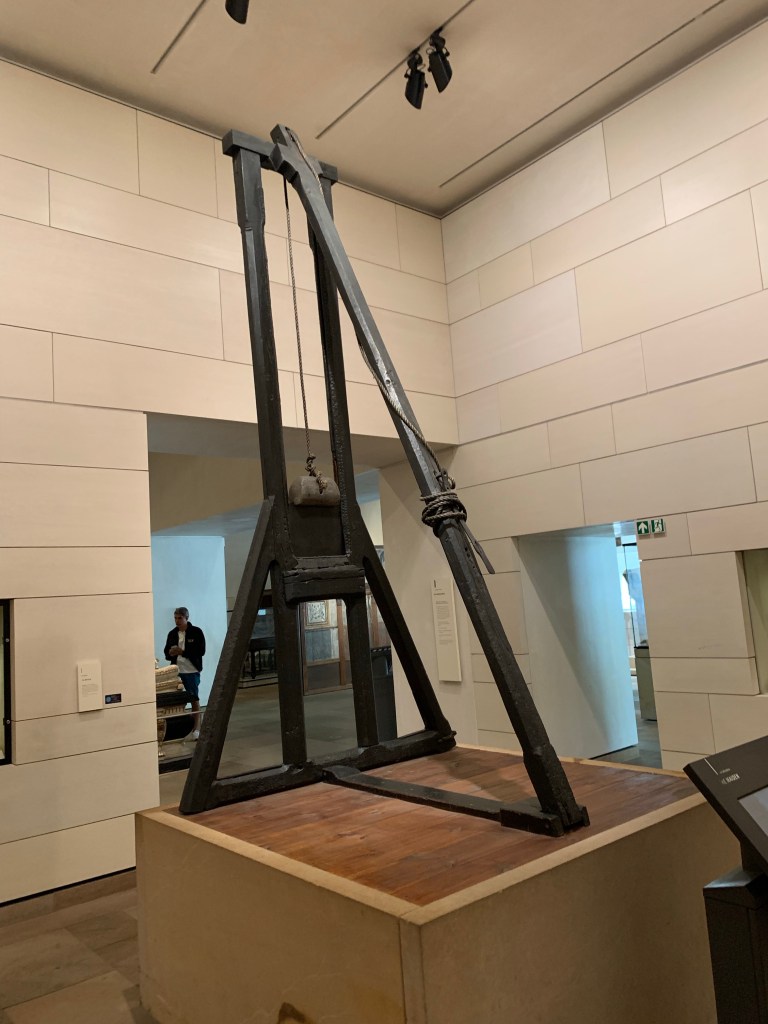
 Beheadings were accomplished by means of a portable guillotine, named with black humor “the maiden.”  An execution carried out in this way was called “the Maiden’s kiss.” The placard describing the Maiden in the national Museum of Scotland boasted that the Scottish people used a guillotine long before the French. It was considered humane both to the victim and to the less-traumatized executioner. In fact, two other Scottish tour guides described the Maiden as being an example of Scottish mercy.

The Condemned knelt before the Maiden with his head on the block. Then the rope attached to the stone on top of the blade was released. And to top off the display of justice, the head of the Condemned was impaled on a spike and left out as a warning in a prominent place.

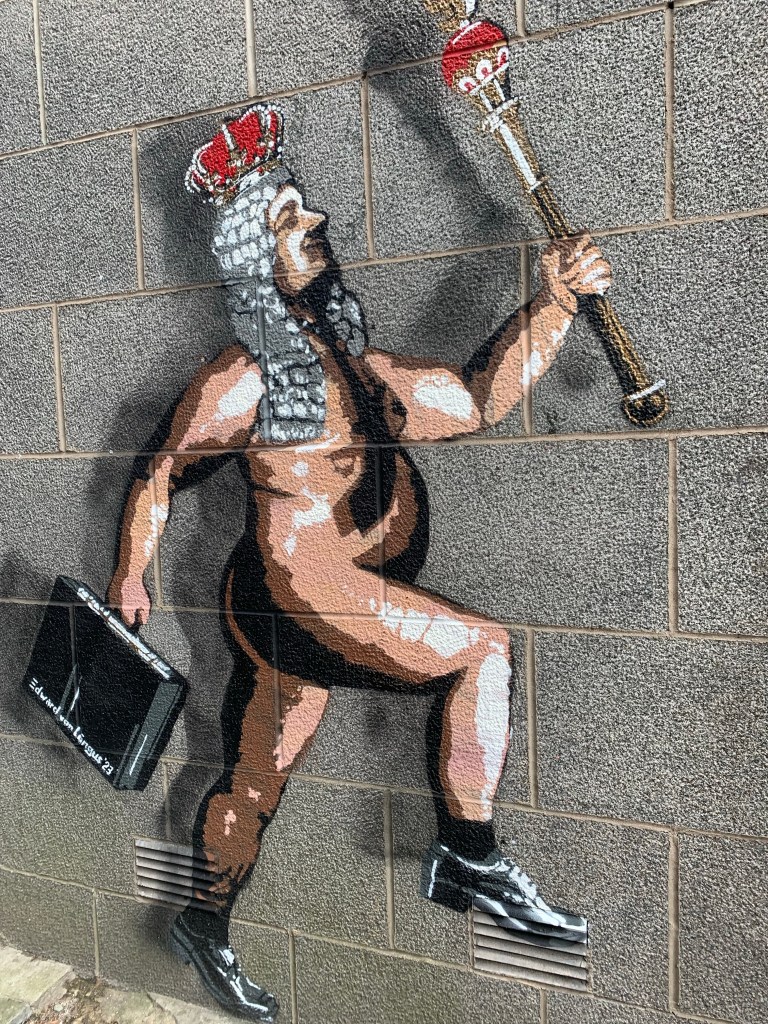
And to lighten this stern and stomach-churning post, I close with a happier image of a mural in Aberdeen.
Coe-Existing

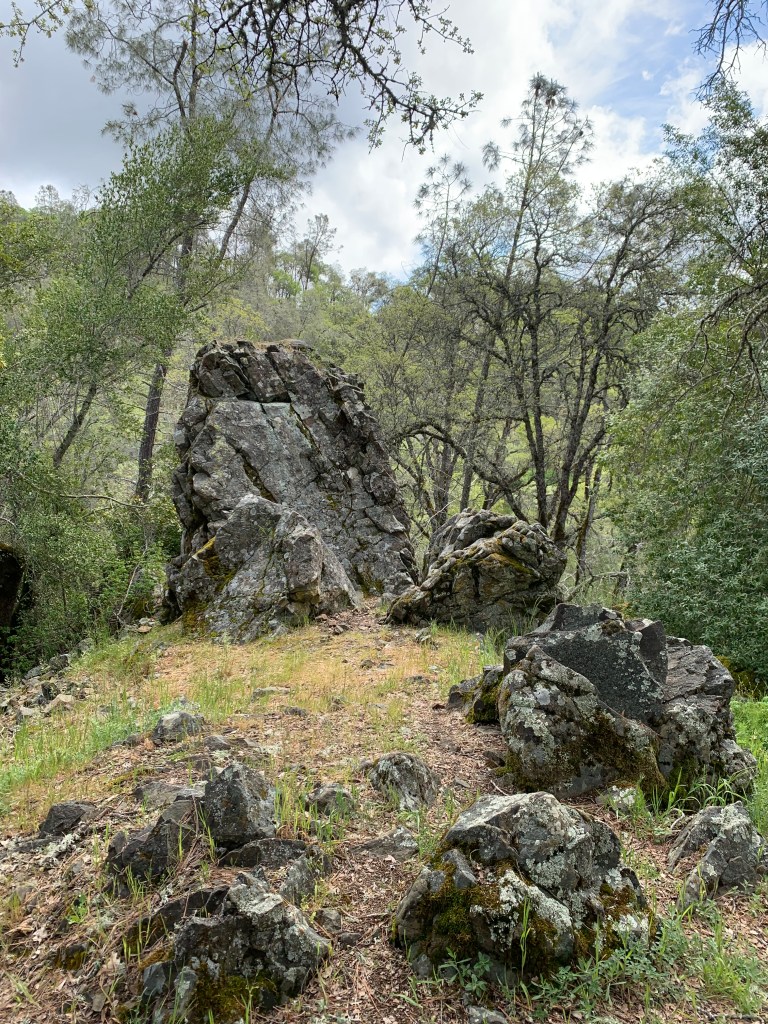
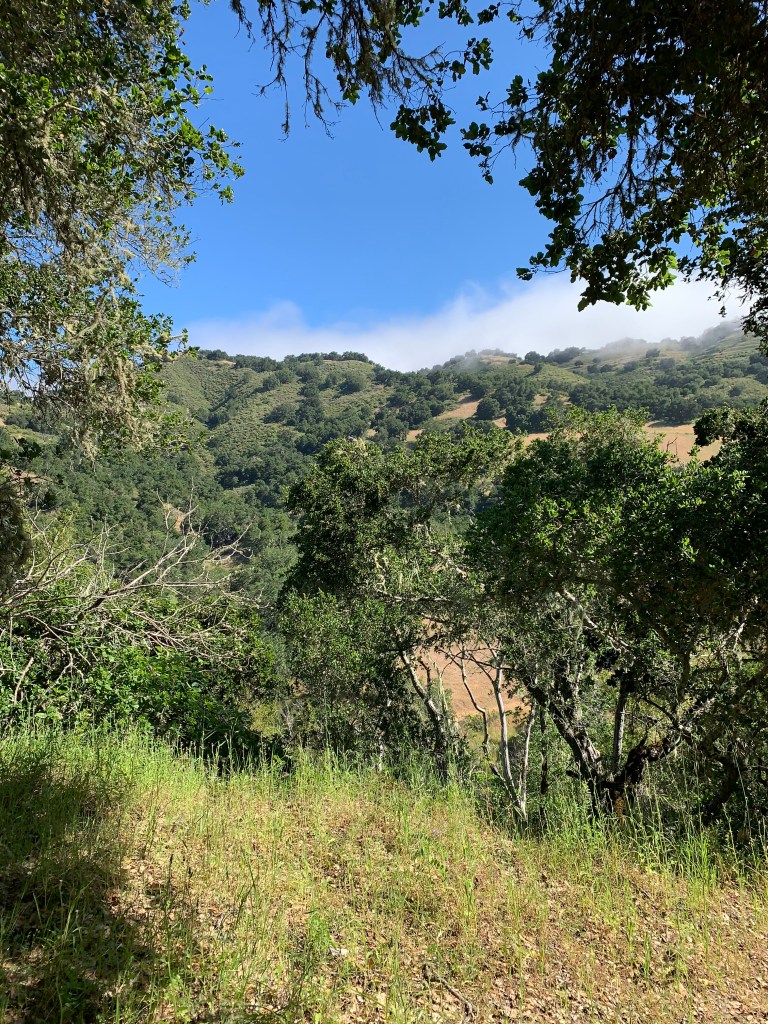
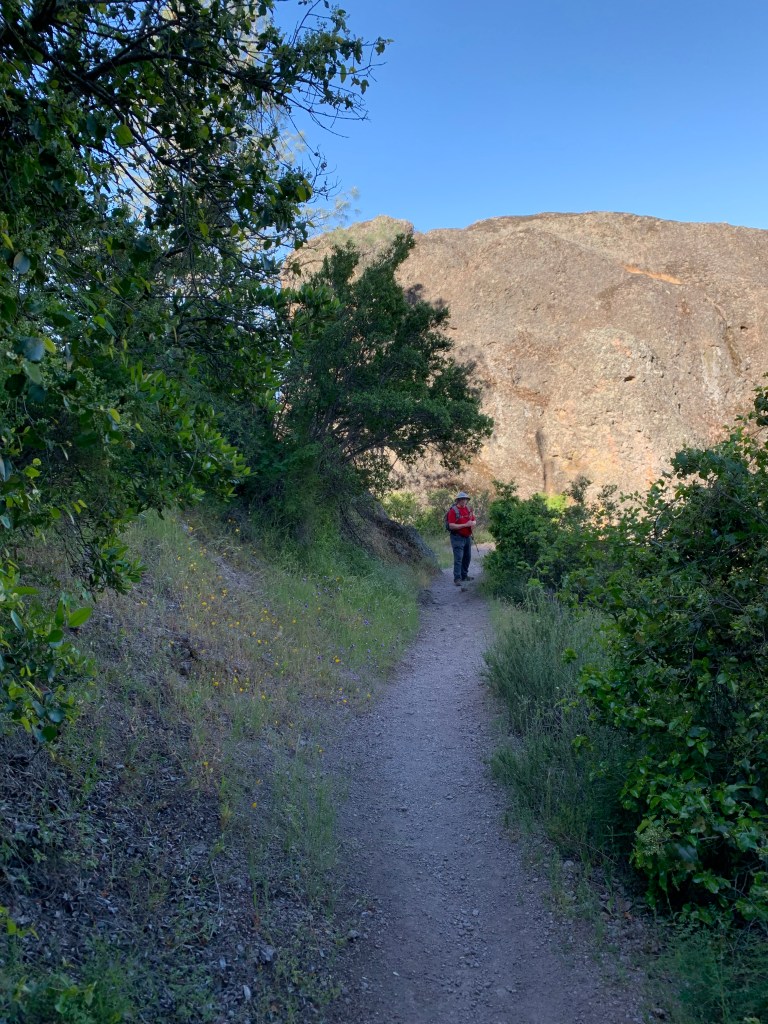
Feeling anxious and out of balance, I needed trail medicine. It was a cool day in early May and perfect for hiking. We aimed for the Coe Ranch Visitor Center on East Dunne Avenue, very east of Morgan Hill. Geography note: Henry Coe is not to be confused with Henry Cowell, although both were ranchers whose heirs gifted their land to California. At least once a year we hike Henry Coe SP before it gets too hot. Coe SP is huge, 87,000 acres. Cowell SP,  by contrast, comprises 1,750 acres, not counting the Fall Creek area. Again, for contrast, consider that we make our home on a tidy .14 acre. Because Henry Coe SP is giant, many of the hiking trails are also jeep trails and fire roads. But our favorite trail in Henry Coe SP is just a few years old, purpose-built and gently graded for hikers, and an all-round awesome trail. Introducing the Flat Frog Trail!

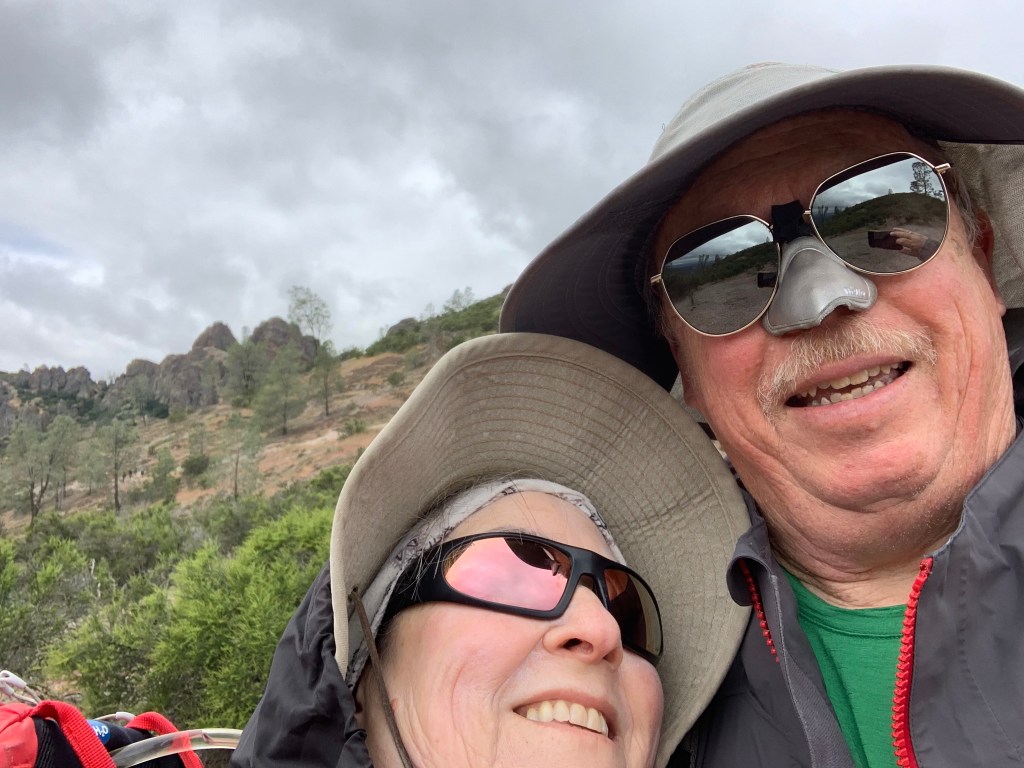
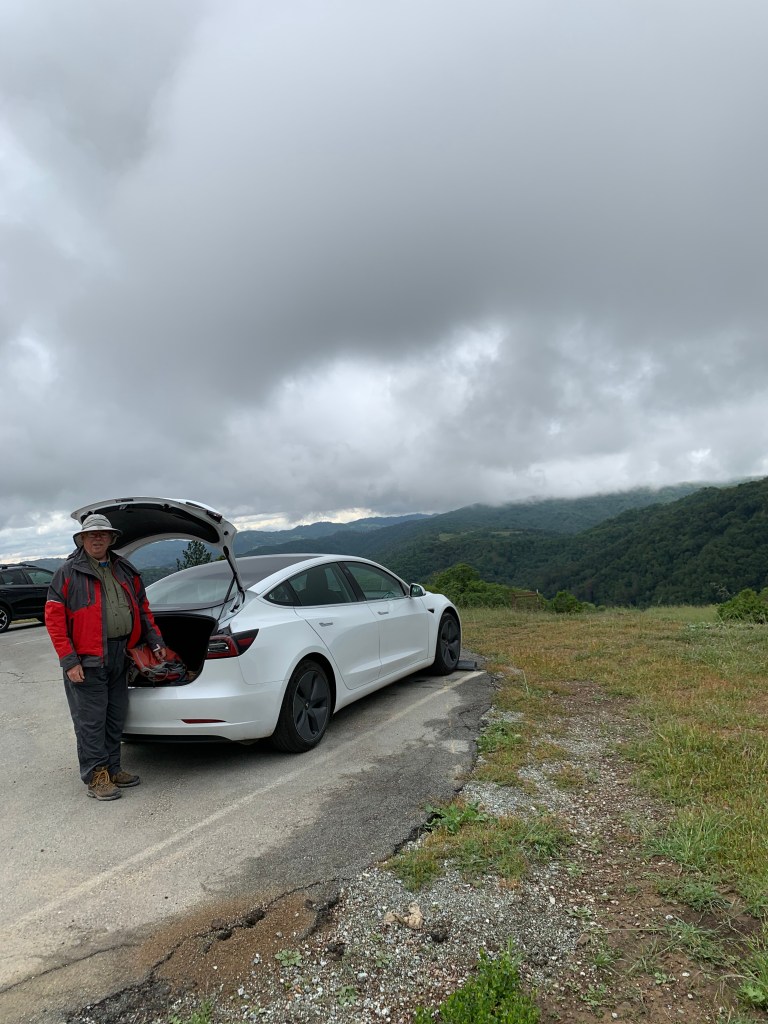
The Flat Frog Trail connects the Fish Trail to Frog Lake. It is well-graded and nearly flat, hence the name. We like to hike a loop, going along a steep fire road to Frog Lake and ambling along easy Flat Frog to come back. Other than a few mountain bikers near the trailhead, we saw no one. At Frog Lake, JG was observing interesting red-wing blackbird behavior. Two were warbling their bosun’s-whistle calls and circling the lake, perching alternately on a branch at 3 o’clock and then a branch at 9 o’clock. JG held his position at 5 o’clock and watched. The birdcalls reminded him of the sounds of his boyhood in upstate New York. Then I saw a reason for the blackbirds’ calls. I had startled a Golden Marmot, who was briskly retreating away from the rushes next to the lake. Golden Marmots were previously called Yellow-Bellied Marmots, but they lobbied for a more dignified name. Next generation will reclaim, normalize, and celebrate Yellow-Bellied and wear the label proudly. Marmots are herbivores, but this one was large enough to have been perceived as a threat by the much smaller blackbirds. I was sorry I wasn’t quick enough to take a marmot photo, but wildlife sightings always gladden my heart. Here’s JG at Frog Lake:

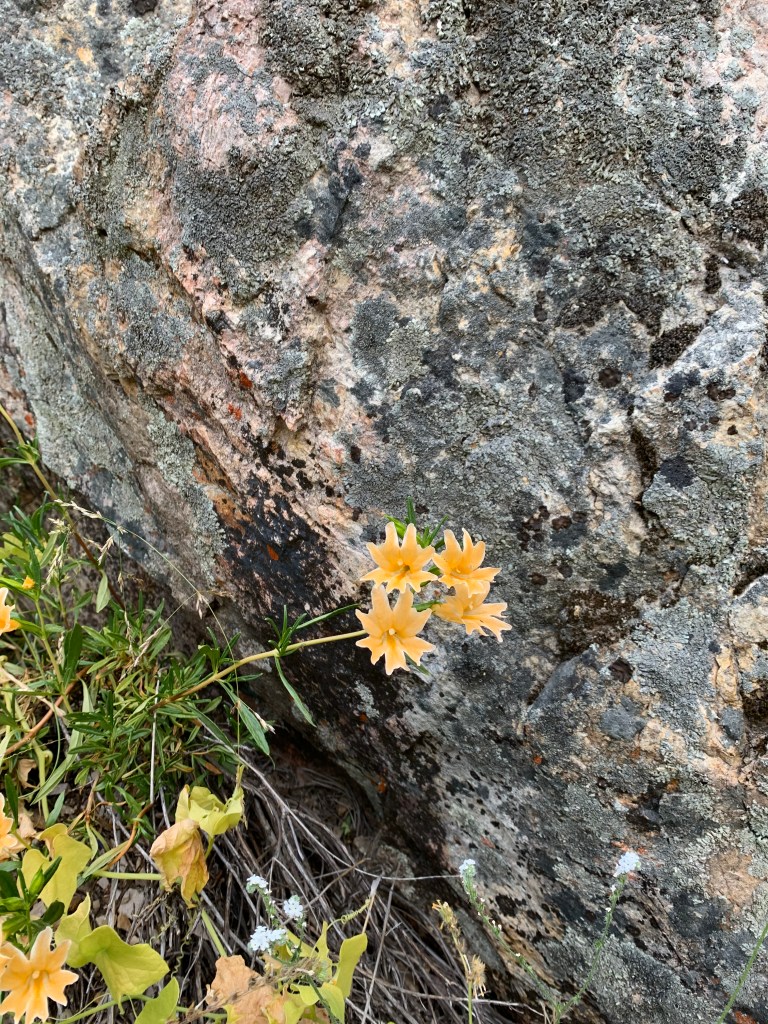
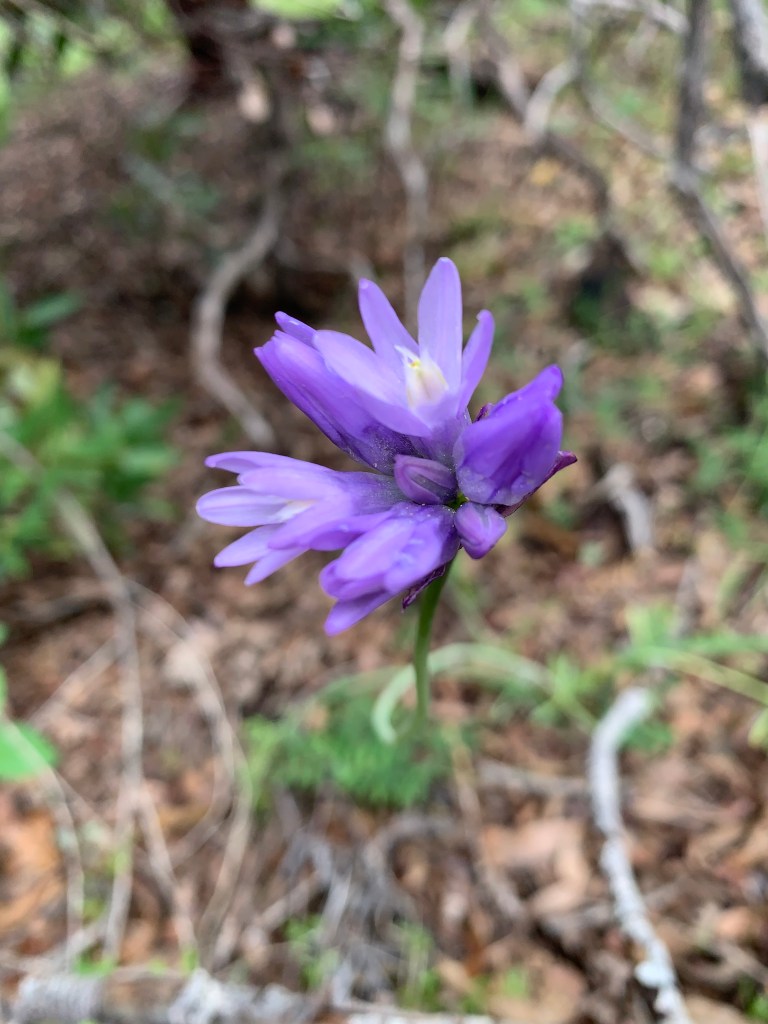
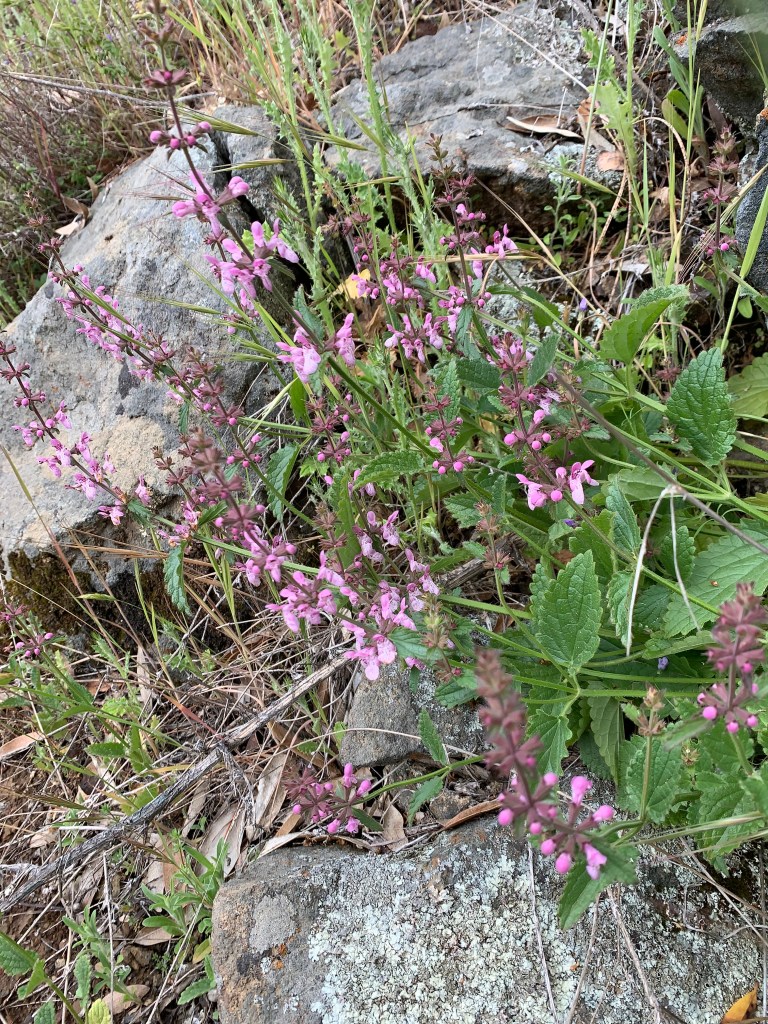
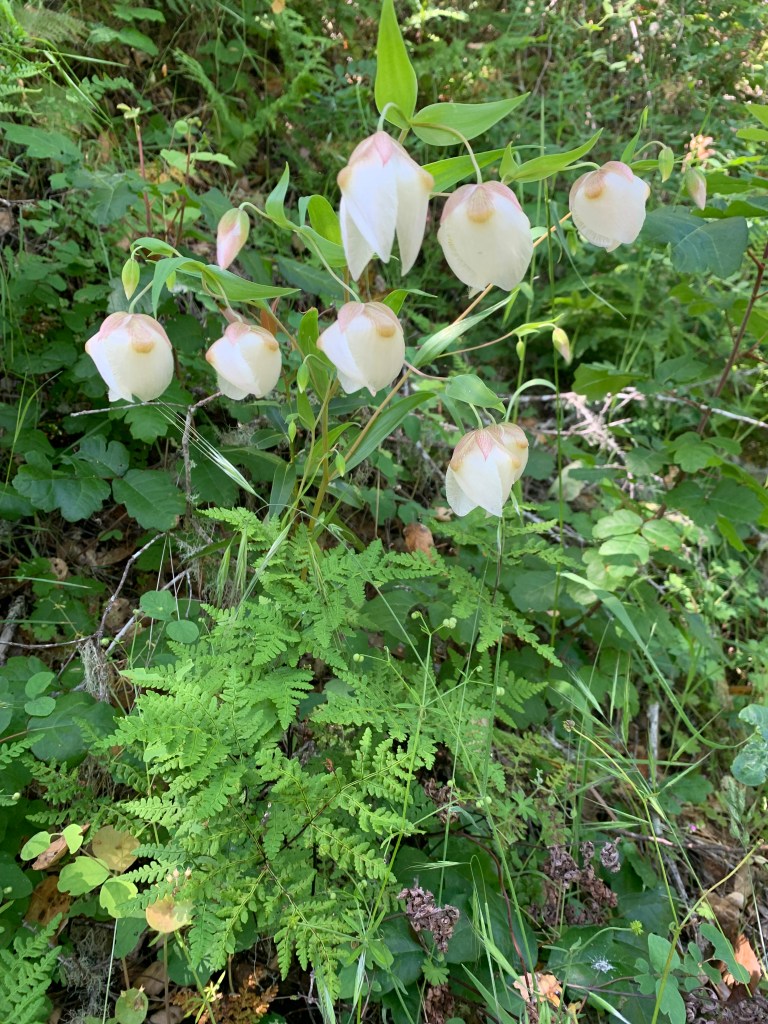
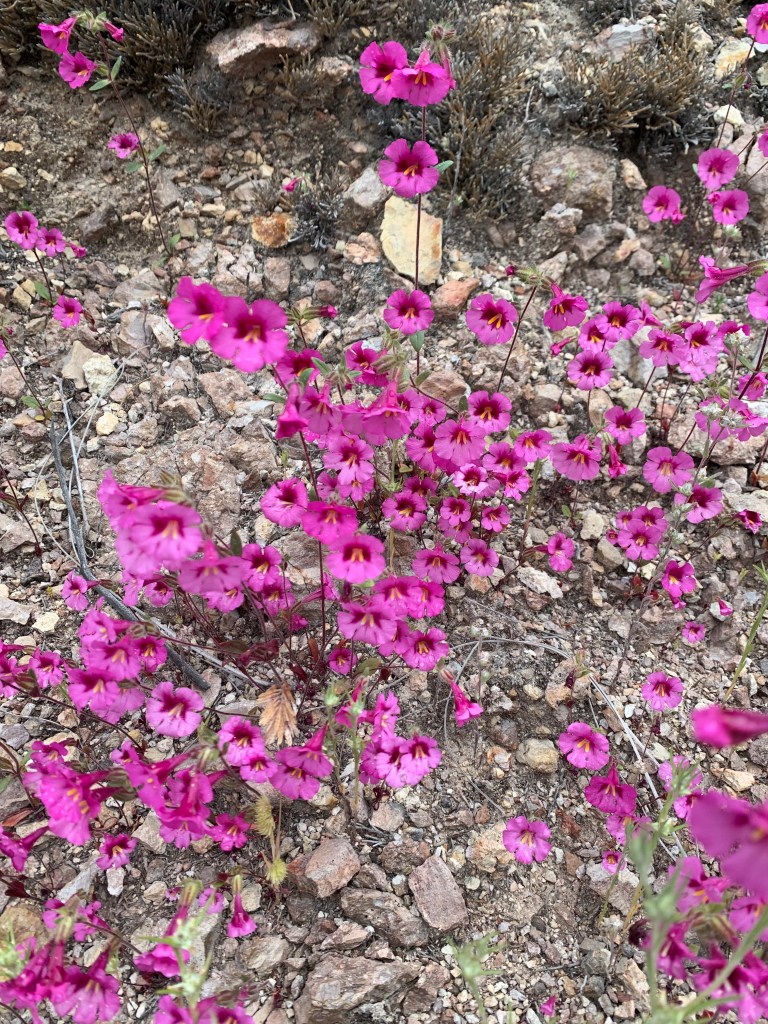
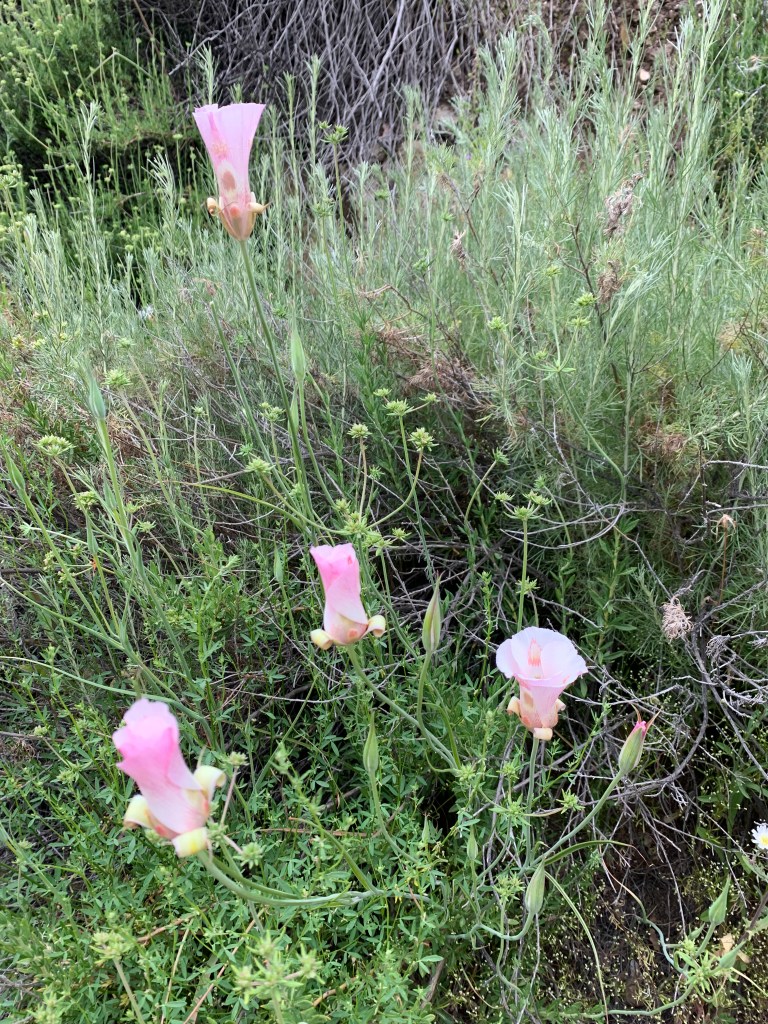
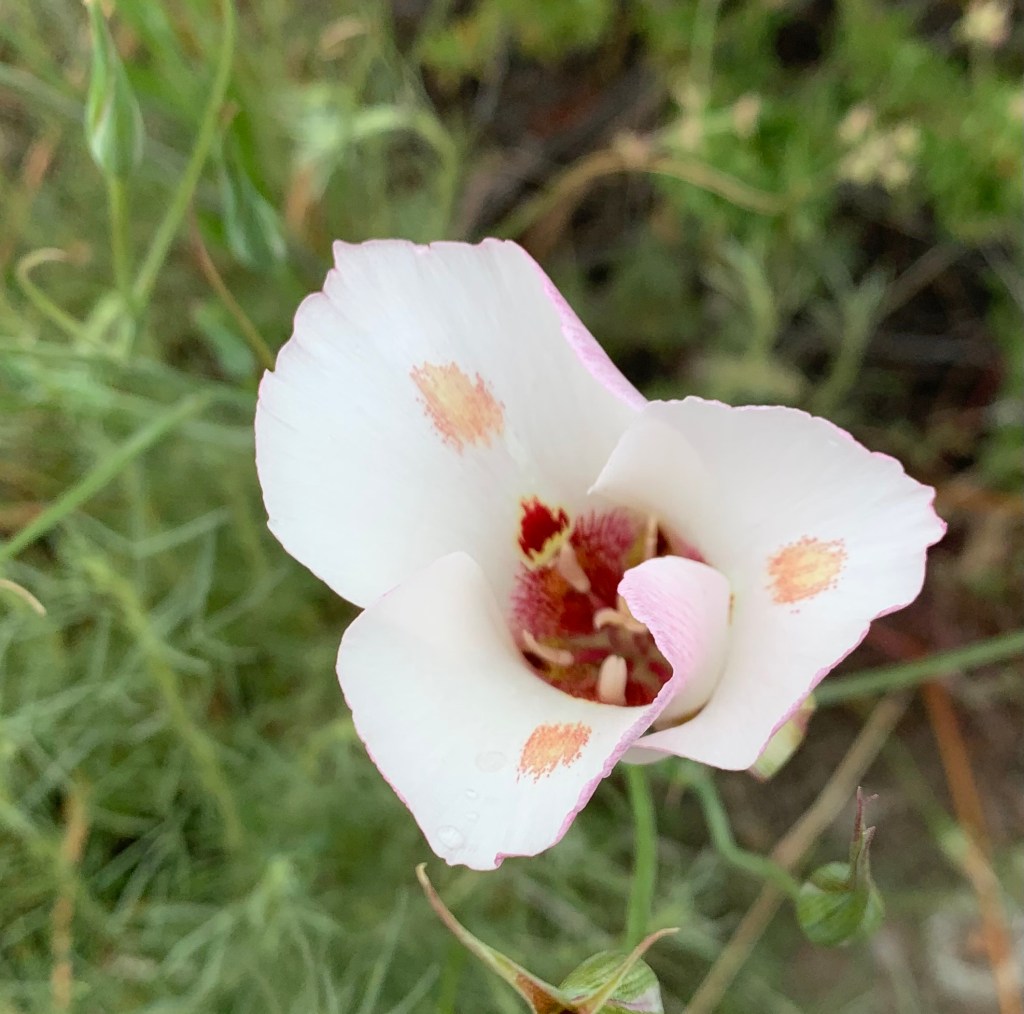
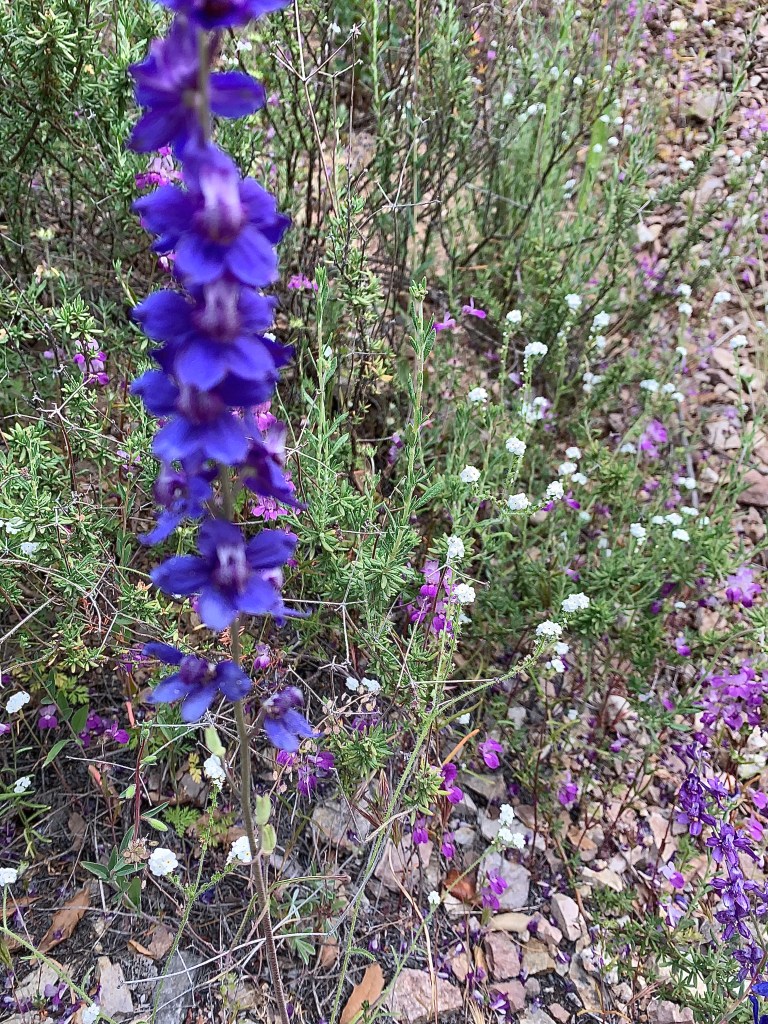
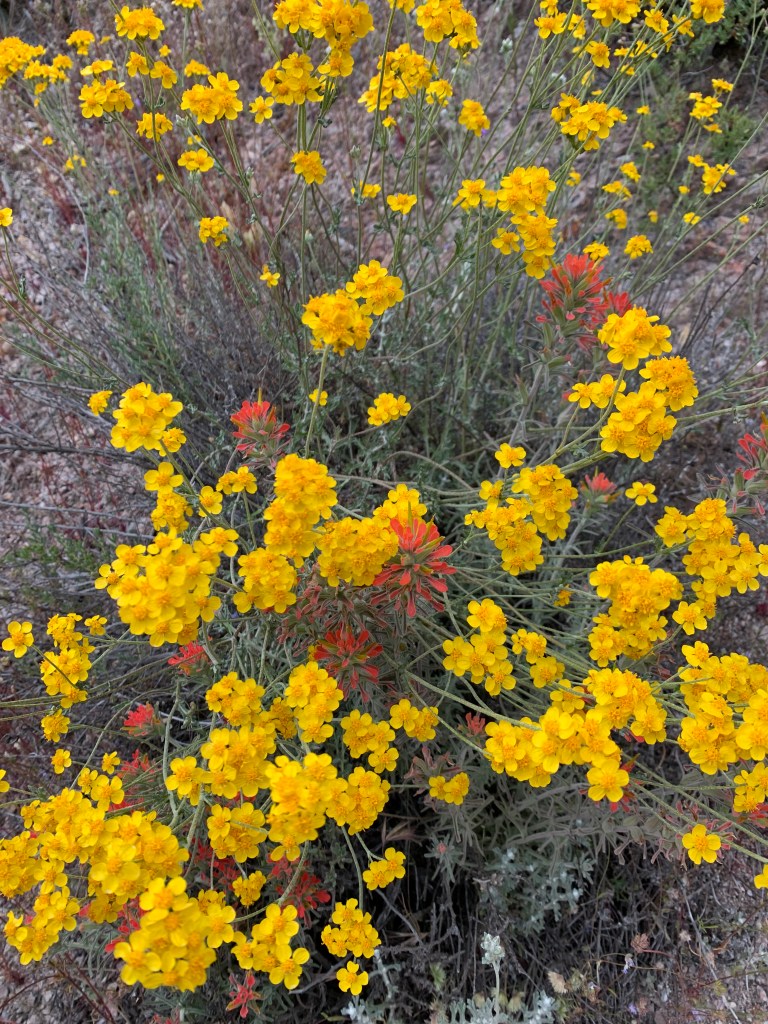
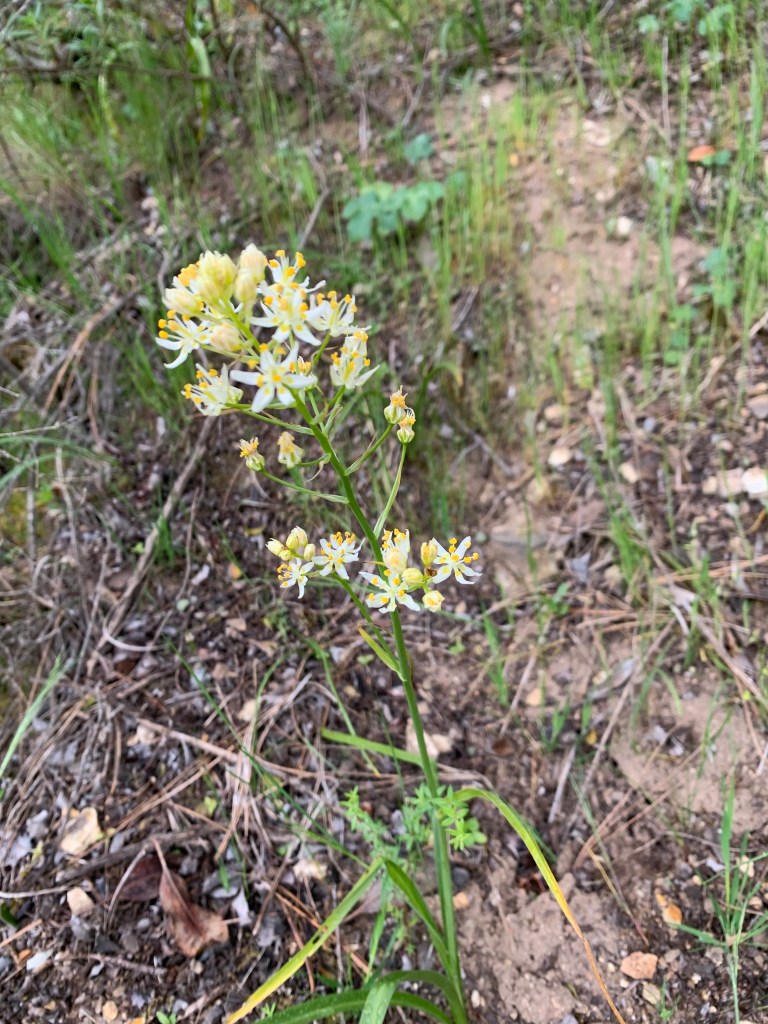
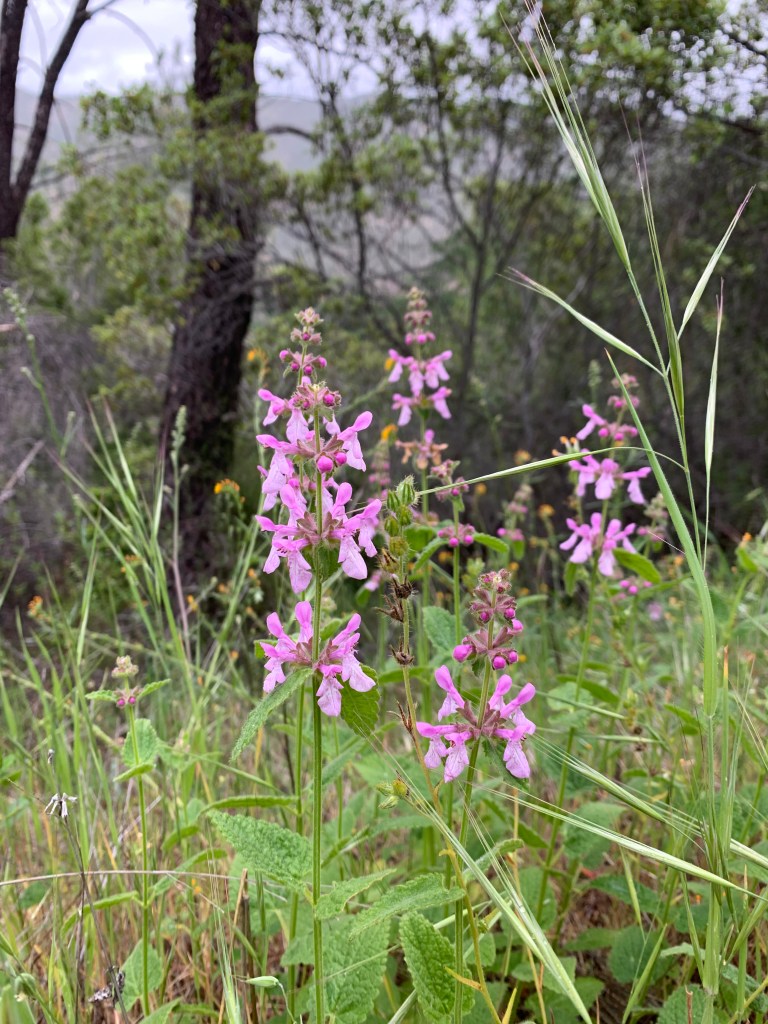
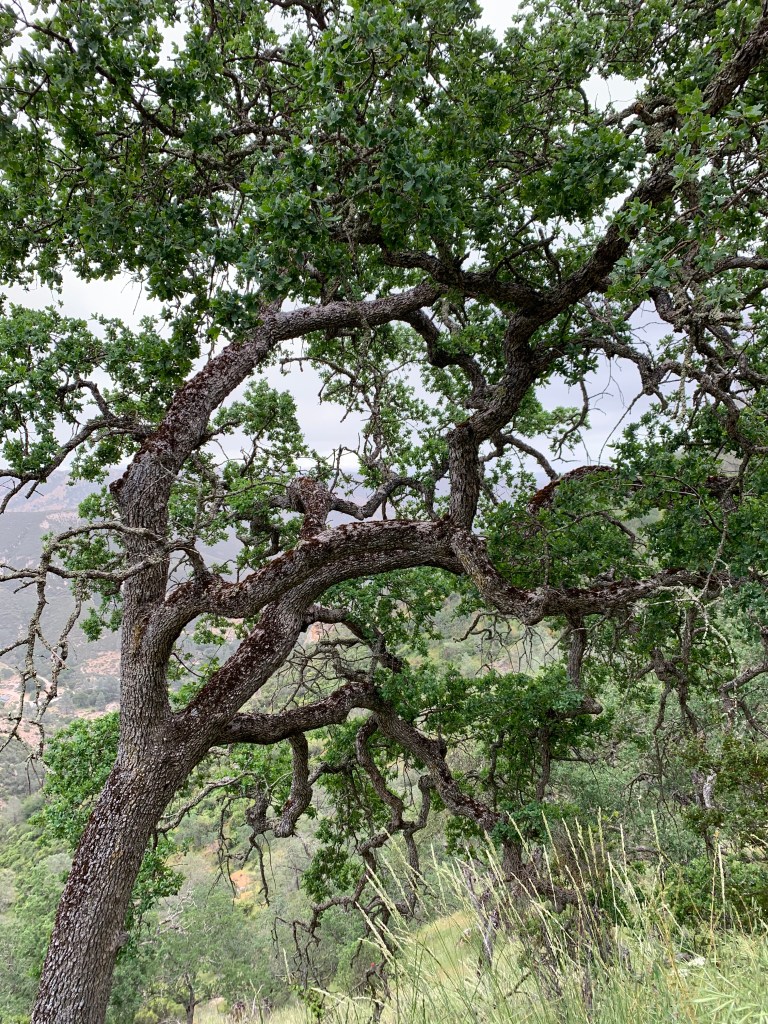
Wildflowers were varied and plentiful along Flat Frog. The creeklets that ran in March were dried out in April. The creek crossings, or water features as we call them, were too easy. The poison oak was shiny and luxuriant.  We enjoyed the views to the south of rolling oak woodland. Last year JG and M mounted an expedition into this part of Coe SP from the Dowdy Entrance north of Highway 152/156.They received special permission to drive deep into Henry Coe SP on a Welcome Visitors Day. Usually the Dowdy Entrance is closed. Wildlife sightings reported then were some deer, turkeys, and a coyote. A good time was had, and I stayed home. 

The Prose of Kahn Ranch

By mid-May it was too hot in the Gavilans, so we took ourselves to Carmel Valley. First we fueled up indulgently at Jeffrey’s, next to Safeway in Carmel Valley. Hello, pancakes and eggs! Our theory is that it’s easier to carry all those calories on the inside than bring them along in our packs. Then we followed Hitchcock Canyon Road through a settlement of former summer homes and hippie outposts to arrive at our remote trailhead. If you follow in our footsteps, be sure to reserve your space with Monterey Peninsula Regional Parks and print out your permit for your windshield. The locals could be armed and hostile. We hiked a satisfying loop: up to the ridge line, then a winding descent on a faint overgrown trail through pine forest, chaparral, and oak woodland, and finally along a full and scenic creek rimmed by limestone.

 On the way up, a turkey hen jumped directly in front of me on the trail, tailfeathers spread, madly gurgling and running around in a circle. I stopped, puzzled. In a circle? If something was chasing her, she wasn’t going to get away that way. Then I heard a faint peep from a buckeye tree next to the trail. There was at least one turkey chick perched up in that buckeye. Mother turkey was trying to distract me away from her babies. I thought Mother turkey was sending a “Hush, child!” thought bubble to the little chickie, who sent her own thought bubble back, “Mom, why am I in a tree instead of with you?” So I just watched the hen circle and bawkety bawk. Nothing was stronger in my life than protecting my young, too.  Eventually, she returned to the buckeye. Then I gave them some privacy for their happy reunion. 
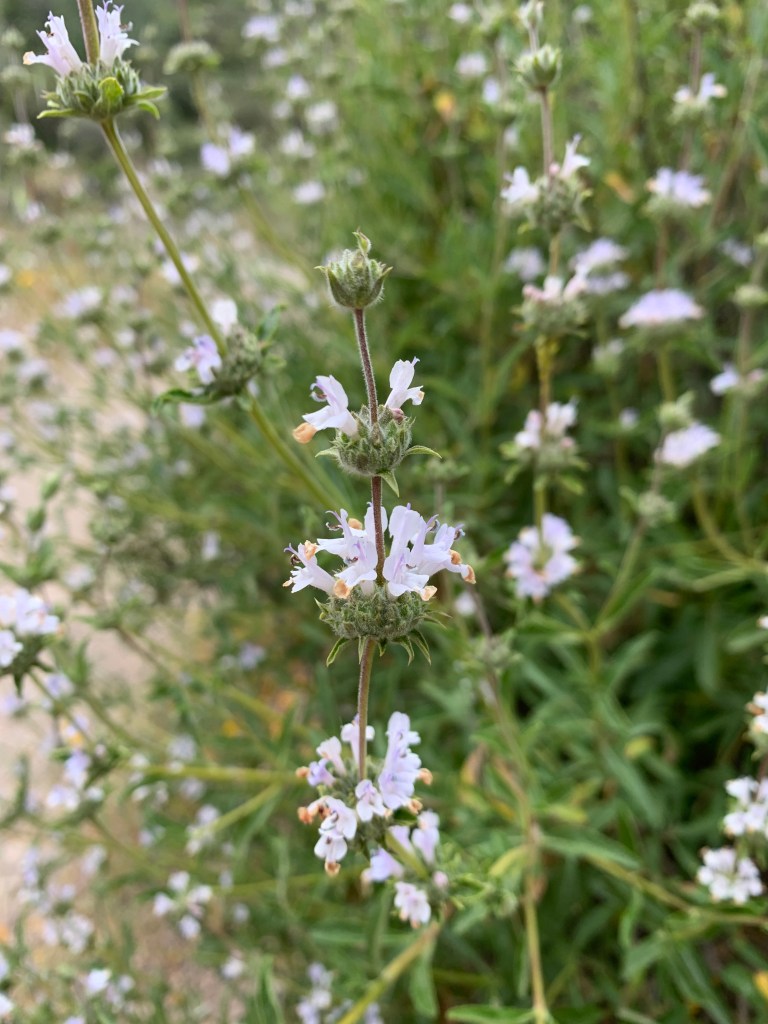
While we descended, a turkey vulture swooped down to just above us. I wanted a photo of the magnificent creature, but it and we kept moving. Alert readers may remember that vultures are one of my spirit animals. Spirit animals are the ones we feel an affinity for, who visit us in dreams, and whose characteristics align with ours. So far, my spirit animals form a rowdy tribe: vultures, elephants, whales, black bears, Australian shepherd dogs.  Commenters: feel free to add yours!

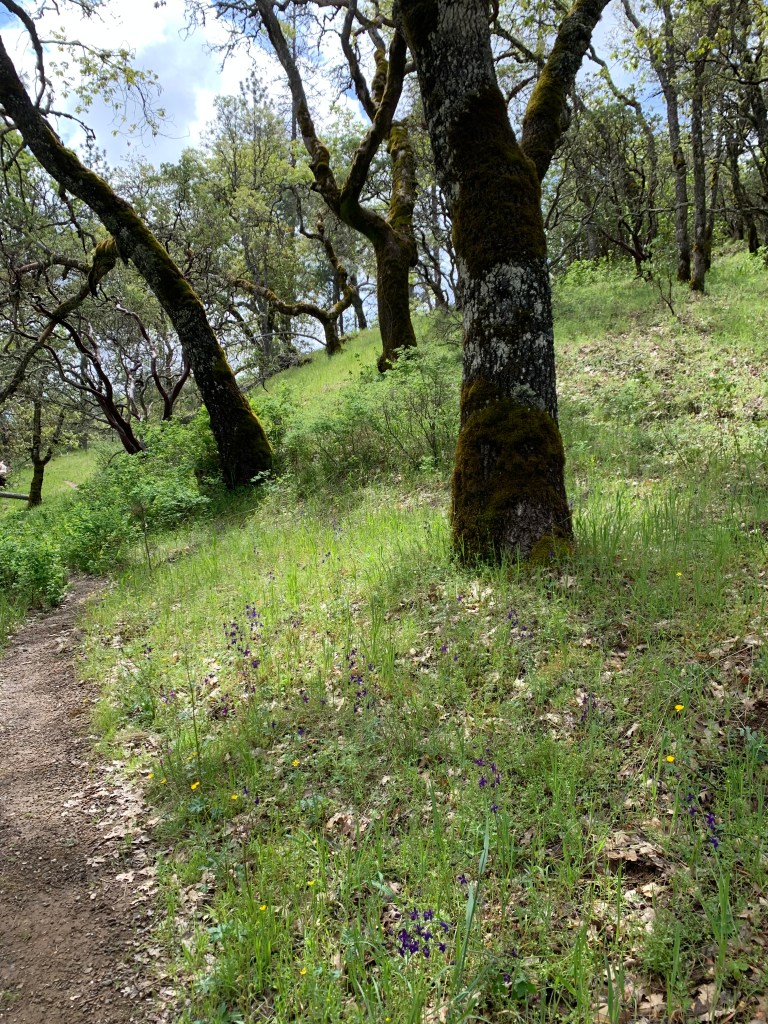
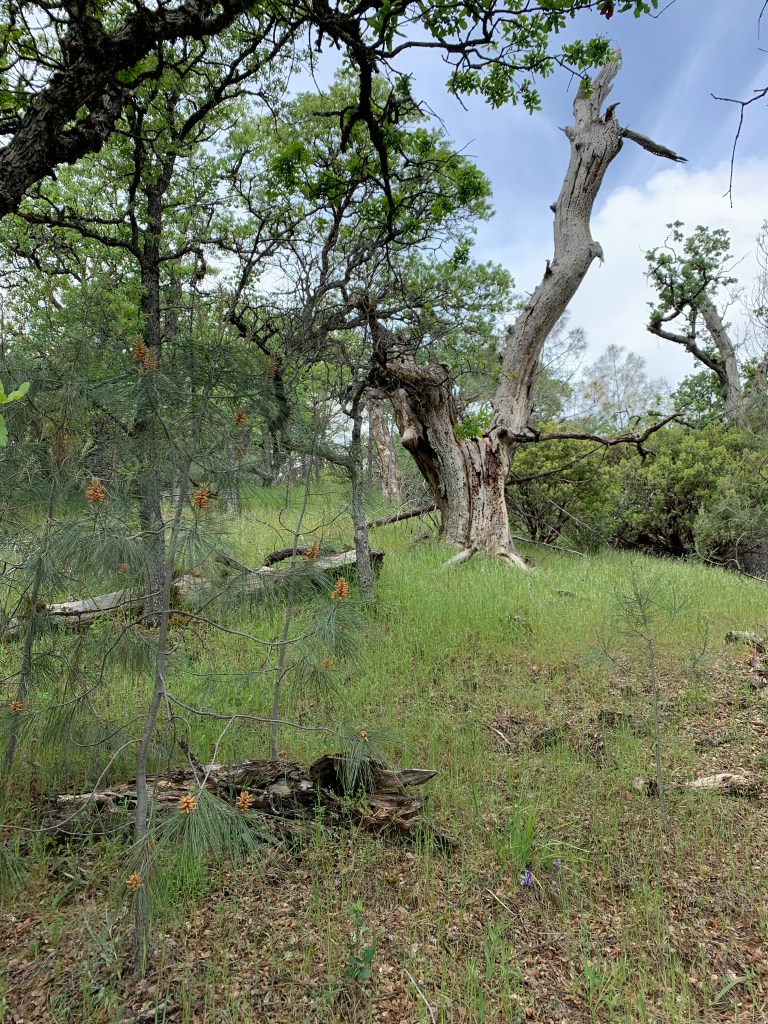
Oak Woodland, Kahn Ranch RP

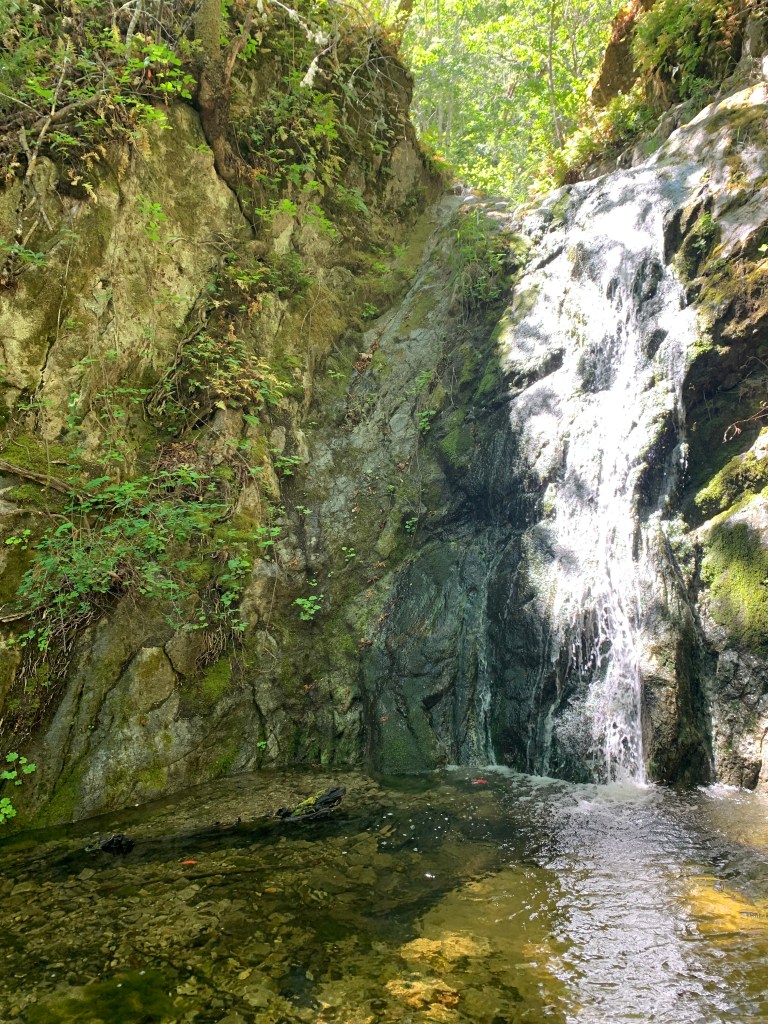
We took a side trip to visit this very pretty waterfall. While we’d seen no one at all on the trail before, the path to the waterfall had several hikers and even a cute doggie. This must be the popular destination. But a stroll up the creek on a warm day would also be agreeable. 

Wonder of Wonders, Pinnacle of Pinnacles

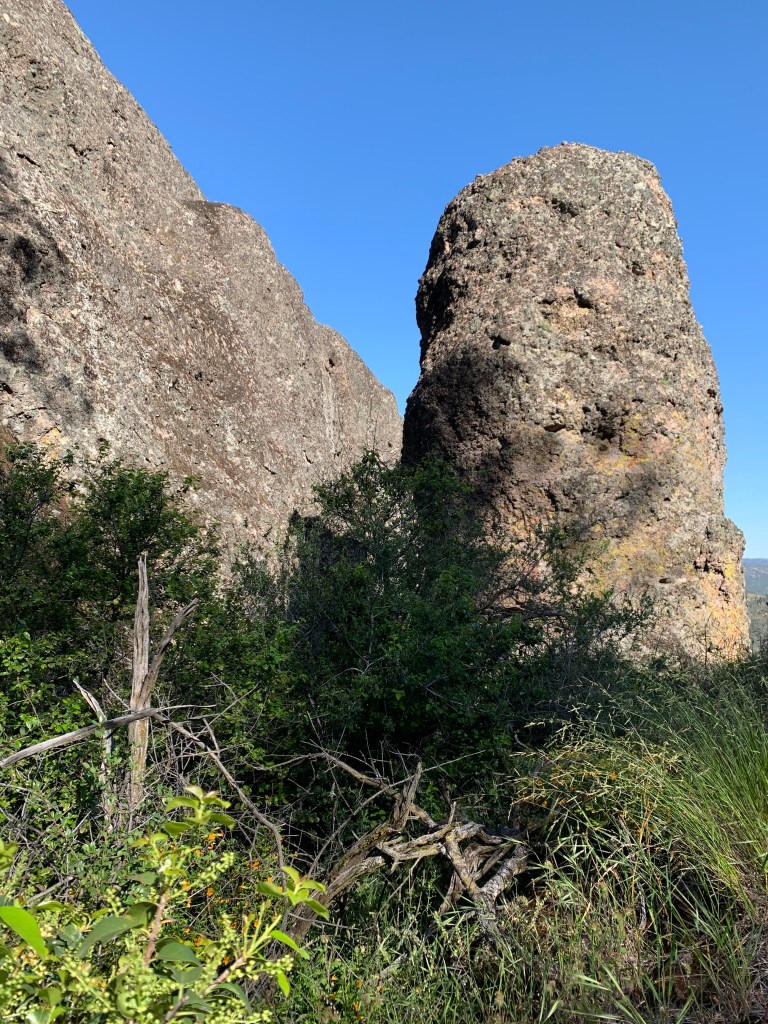
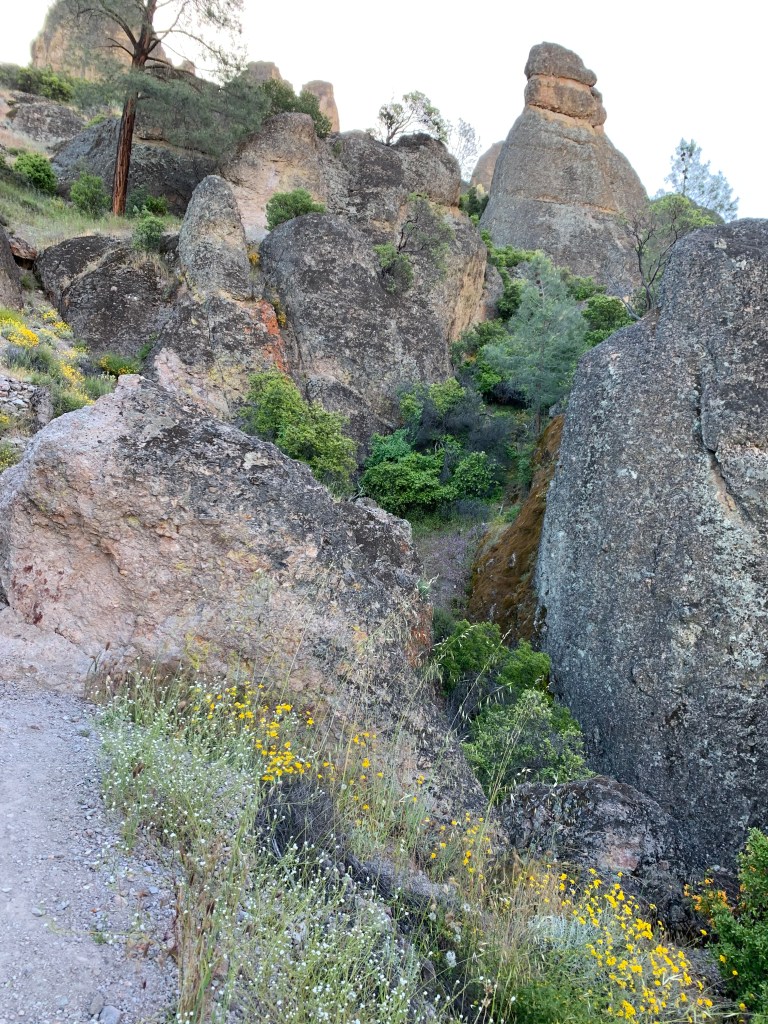
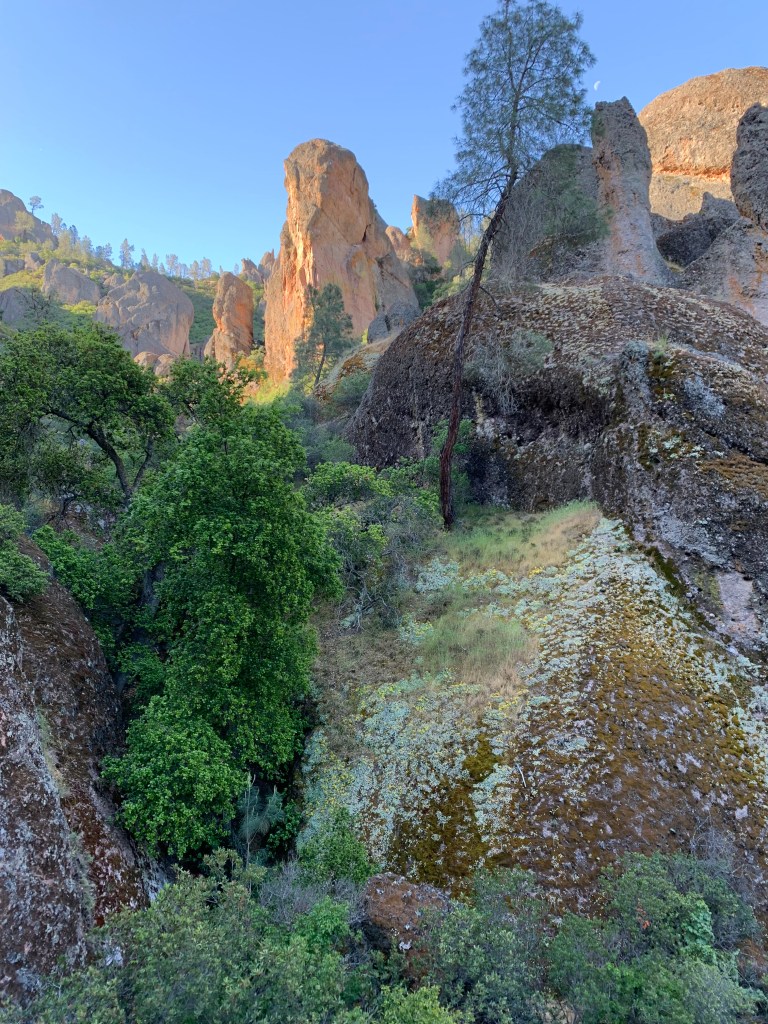
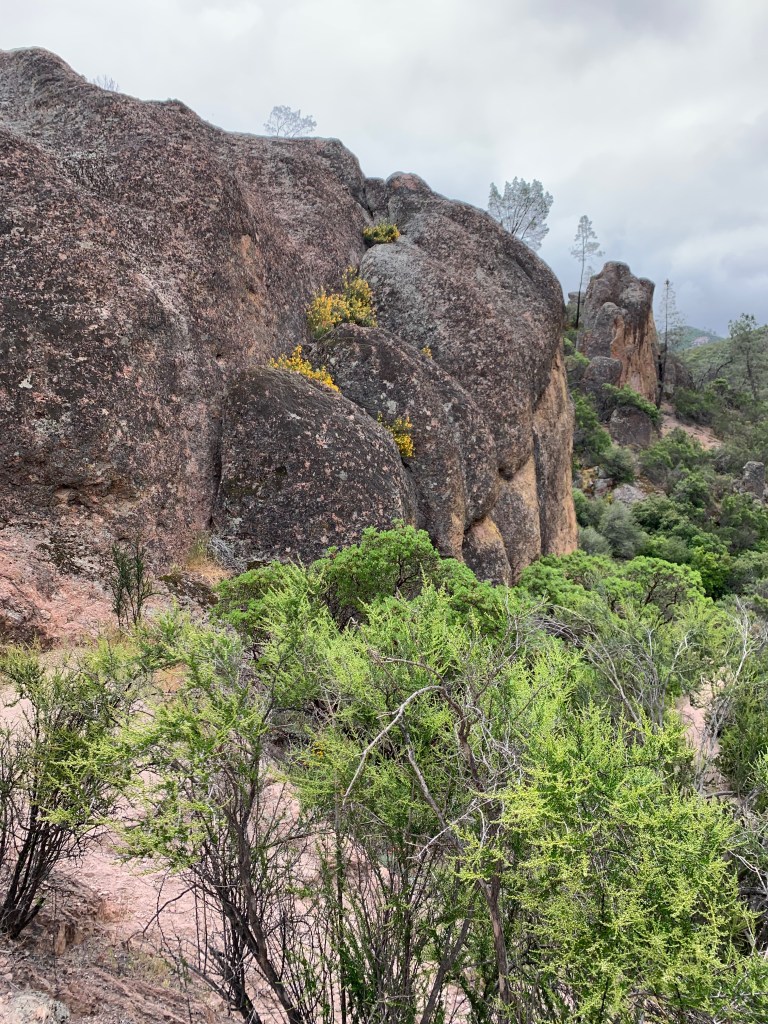
Pinnacles National Park is located in the Gavilans, but it attracts crowds like nowhere else in the region. Unlike other national parks, whose unique sights can often be viewed from the parking lot or pullout, Pinnacles’ parking lots offer only restrooms and a trailhead information sign. In the distance you can see some jagged rocky minarets of pinkish-gray cooled lava.  Big whoop. But once you climb up into the High Peaks on narrow paths and stairs built in the 1930’s by the WPA,  you become part of the Pinnacles and their 23 million year history. 

On the High Peaks Trail, we met a couple of young women from Kentucky and rested together. Their ambition was to hike every national park in the Lower Forty-Eight. When one told me they’d driven from near SFO that morning, they aroused my fervent admiration. I don’t have a so-called bucket list. I just hope the last years of my life will be as good as the earlier ones.

There’s lots to appreciate about Pinnacles in Winter and Spring. Condors are elusive but vultures omnipresent. I love the seep gardens and fascinating combinations of rock and plant that form in the crevice creeklets. Each small creeklet hosts such a variety of mosses, creepers, and shrubs. Pinnacles seems to have its own weather and rainclouds blow in and through. I love how the sky changes. There is worthy scenery in every direction. And of course tree shapes and rock formations spark the imagination. 

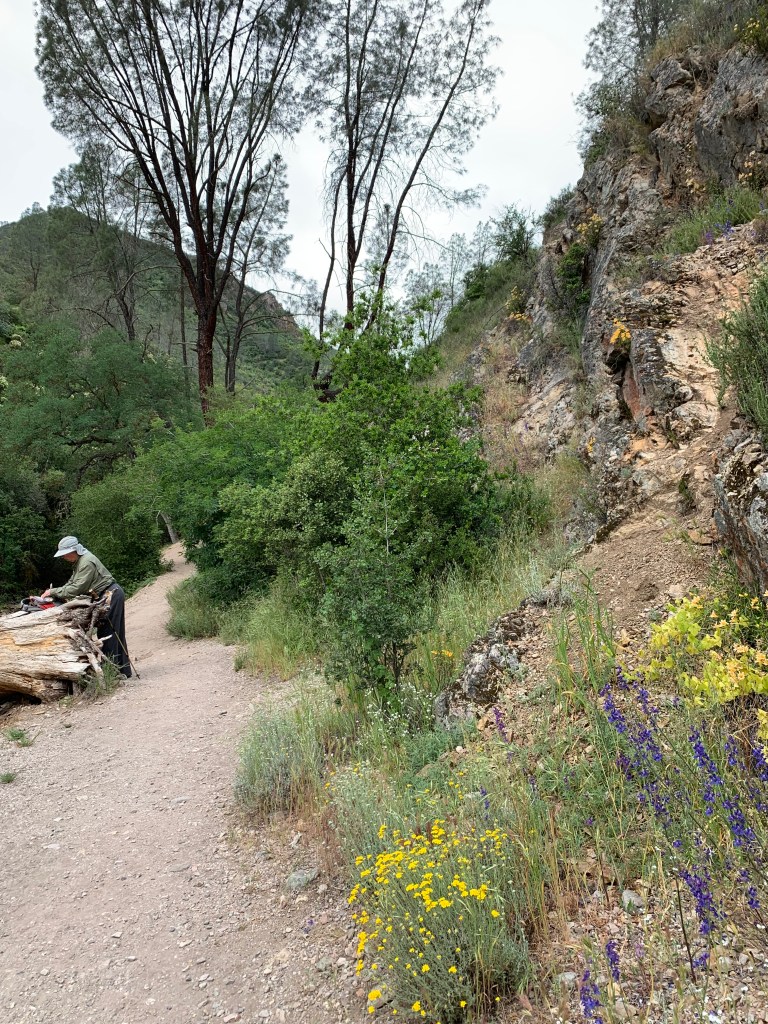
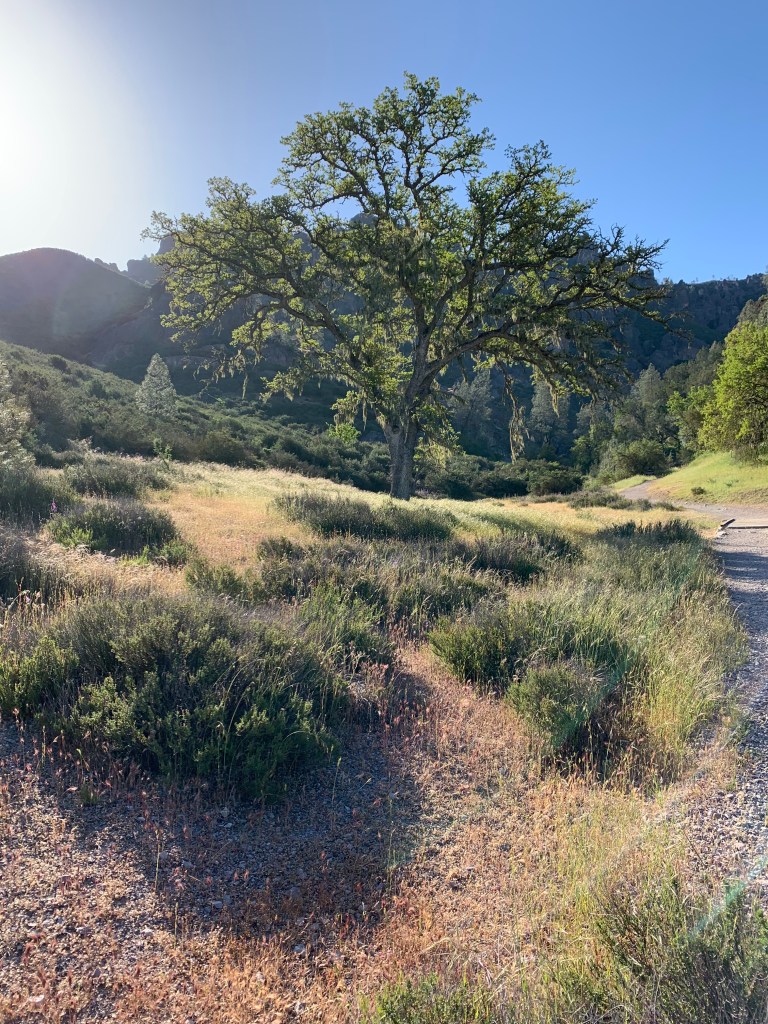
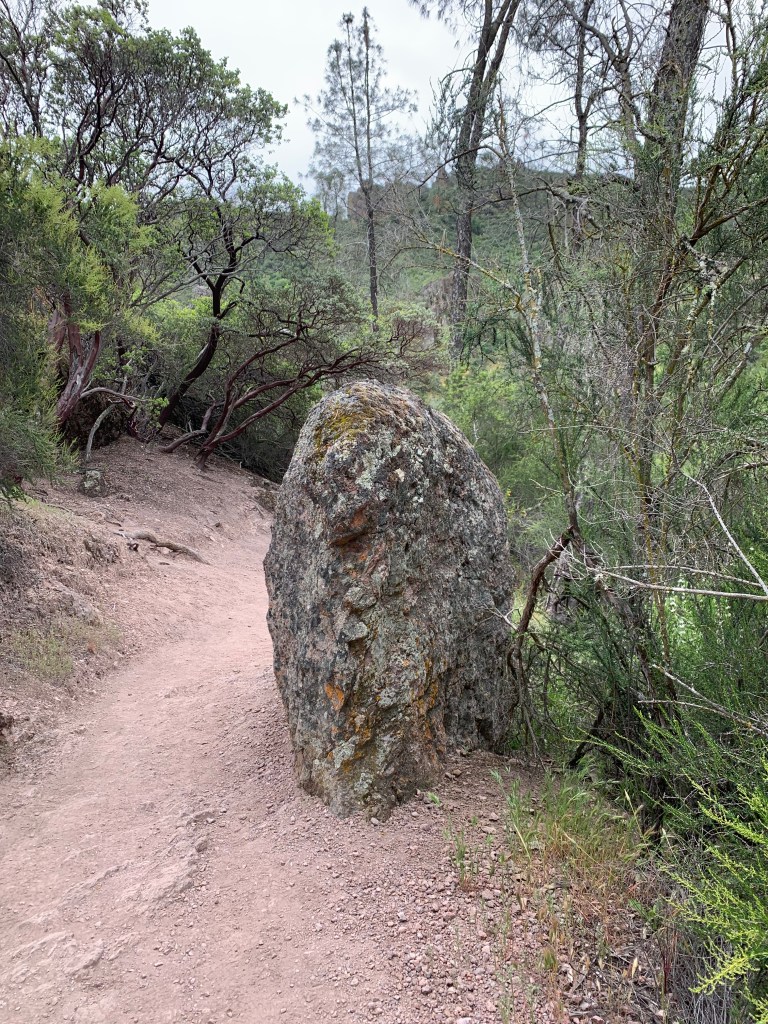
Well-graded and signed trails criss-cross the main minarets of High Peaks so several enticing day hike loops can be completed at our leisurely two mile an hour pace. We see the most hikers looping from East Pinnacles’ Bear Gulch Parking Lot up to High Peaks and down Condor Gulch. But my favorite hike is an 8.6 mile loop, up to High Peaks and back along Chalone Creek, with an optional scoot through Balconies Cave. We’ve hiked it both from the west, up Juniper Canyon, and from the east, along Sycamore Trail, Bench Trail, and then up Blue Oak Trail. This is Blue Oak:

If you’re short on time, just hike to the reservoir through Bear Gulch Cave, featuring a hundred or so wet slippery stairs and banisters. The only trail I can’t recommend is the North Wilderness Trail, although if you’re looking for solitude you will find it there. The North Wilderness Trail is not well-traveled and even hard to find in places, where we asked ourselves, “is that trail or just dried-out creek bed?”  

Just before the final mile to Chaparral Parking and Trailhead Joulie, we hiked through a dense cloud of mosquitos, looking for the east entrance to Balconies Cave. JG was in the lead, using his hiking stick to bushwhack through poison oak, while I creek-walked, thanks to using two hiking sticks. I found the entrance and called him back. We both retreated away from the mosquito cloud and I rubbed his exposed arms with a packet of Tecnu I carried for just such emergencies. Of course we were both wearing Permethrin-treated garments and Picaridin so we escaped the typical hiking threats unscathed. Smugness alert: It’s wonderful to gear our way out of difficulty. This is the narrow trail leading out of Balconies Cave toward the west.

The last mile was just as good as the first, just as I’d like my life to be. Bonus points: I carried out a soiled diaper someone had abandoned behind a rock. Then we sauntered back to the trailhead for an easy drive home. 

Gallivanting in the Gavilans

Springtime finds us roaming the Gavilans, those steep but not high mountains between the San Joaquin Valley and the Salinas Valley or the Coyote Valley. The Gavilans have many advantages for spring hikes. Several parks are within two hours’ drive, assuring us that Trailhead Joulie will not need to charge to come home. The Gavilans are uncrowded, especially the way we hike them: midweek and early in the day. The Gavilans host great diversity of birds, wildlife, and biome. We hike rolling pastures, meadows dotted with rocky outcroppings, oak woodland, pine forest, shrubby chaparral. All of our Spring hikes fall into the category of Avoid During the Summer because they’d get too hot. 

Gavilan in Spanish means hawk and we spotted many of them, often when being mobbed by starlings or perched on treetops and fenceposts. We could also name the range Buitres for the many turkey vultures that populate the Gavilans. And we’ve become informal, non-competitive bird-watchers. Maya Angelou says, “A bird doesn’t sing because it has an answer, it sings because it has a song.” Typical poet. The naturalist in me disputes that birds sing for no reason. They sing out a warning or a lure. They sing out a distraction to predators. They sing out the promise of sex and the threat of violence: come hither or beat it. 

The birds keep us company on our hikes. So do other creatures, some of which we see. Sometimes we cross a pasture with grazing livestock. JG does not respect the nuances of cisgender male bovines, calling them all “cows” when, in fact, they are steers. Once, driving to Hunting Hollow Trailhead, we saw a thousand-pound bull (he/him) trotting unescorted along the roadway. It was not a wildlife sighting, but still quite dramatic. Unlike the rodeo bulls on TV, he was not aggressive, but then nobody was sitting on him.  Agriculture.com tells me a bull is worth about $5000, so of course I worry about the rancher’s loss as well as the bull’s ability to find his way home. Maybe he was looking for a China shop? I gave him a rodeo bull stage name, Monster Mongo, but maybe he’s like Ferdinand and wants to be called Cuddle Baby. 

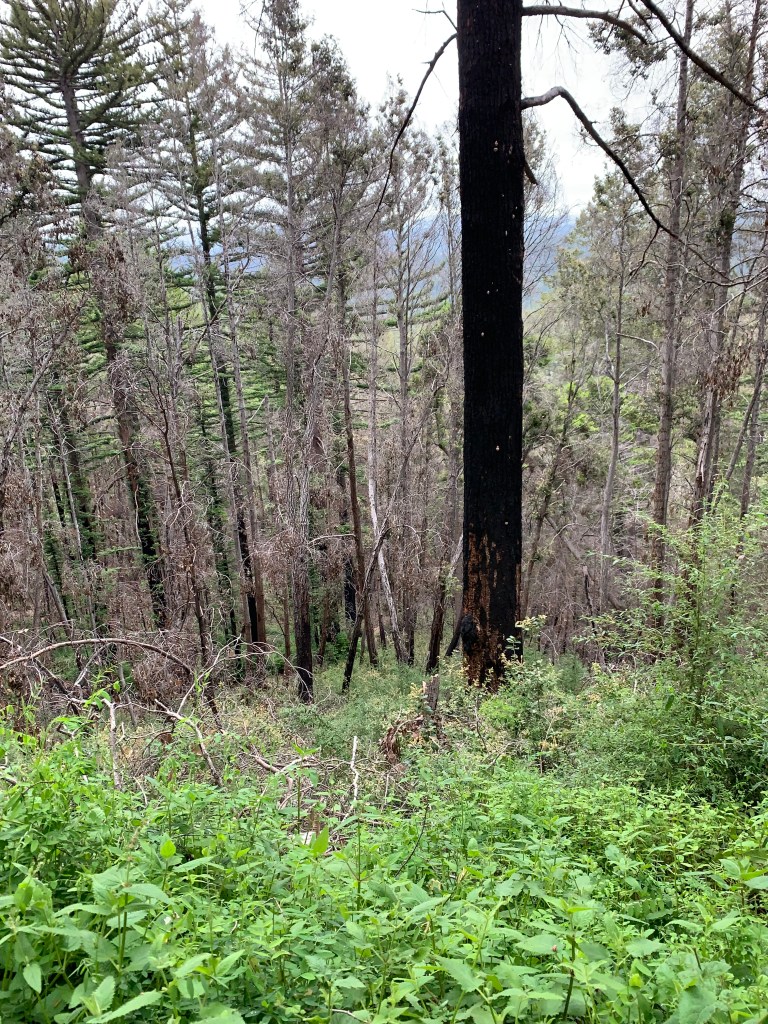
As it gets warmer, we return to the Central Coast ranges: the Santa Cruz Mountains and the Santa Lucia Mountains. They have suffered burns in the CZU Lightning fires of 2020, including some of our favorite haunts. I’ll write about them separately. 

Eponymous Fall Creek

Someday I’d like to visit Fall Creek Unit of Henry Cowell SP without someone in my hiking party falling. June 6, 2023 was not that day. As you will recall, the trail along Fall Creek is graced with fallen redwoods, which we call the Overs and Unders. Overs and Unders make the trail more interesting and risky. Overs and Unders refer to how you cross that fallen log: climb over or crawl under. I remember M’s disappointment one afternoon when we returned to Fall Creek and she noticed that the Park Service had cut a massive chunk out of an Over to form an unimposing step. And the Park Service chainsaws had nipped a chunk out of an Under so only the Tall had to duck. Where’s the fun in that? Meanwhile, more trees have fallen and some creekbanks have slid, so the trail continues to have some tricky spots. On this hike, JG lost his footing on an Over and stumbled forward. The rain had made the path even slicker. He said he wasn’t hurt and we continued along eponymous Fall Creek. 

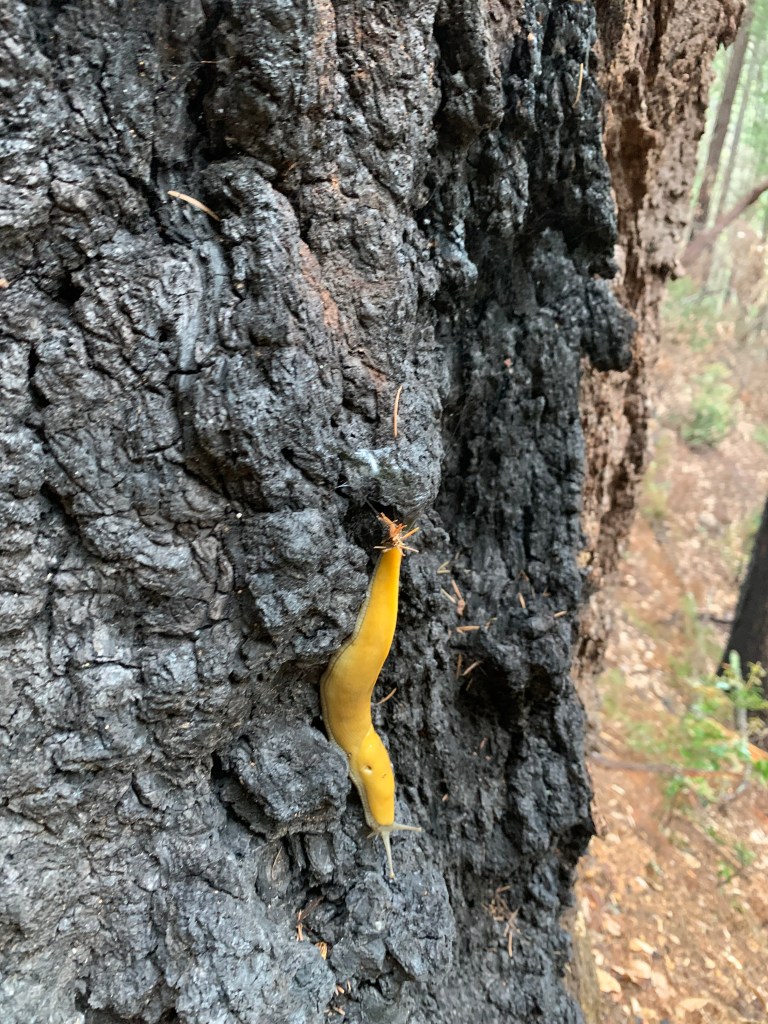
Our signature day hike is a lollipop: counterclockwise, up to the lime kilns, climbing the Lost Empire Trail, up the Big Ben Trail, lunch just past Guv’nor Ben, then down to Fall Creek Trail and finally back to the parking lot. By the time the rains came about 11 am, we were hiking in the burn scar and about halfway through. We pulled on raingear and slowed down, and admired how peaceful the forest was. Did you know banana slugs climb trees? Here’s one on a burnt redwood. 

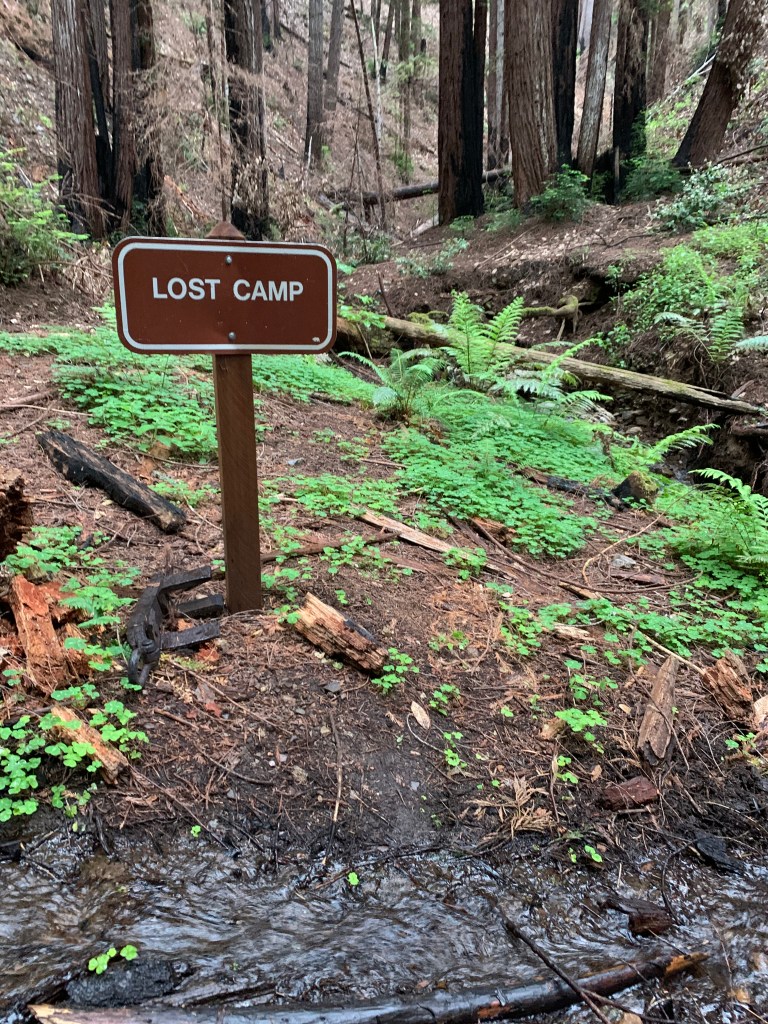
It amused me that Lost Camp had an informative sign, so it couldn’t have been too lost. 

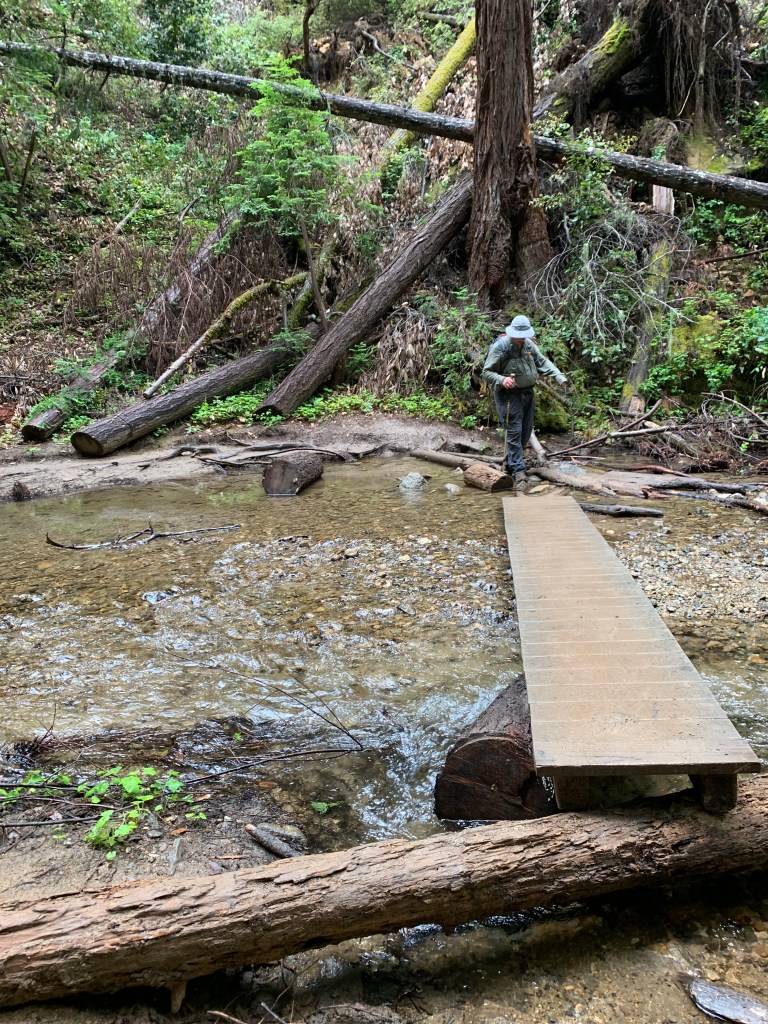
Water features are always lots of fun. The trail along Fall Creek crosses back and forth, sometimes with bridges, sometimes with fords. I am mostly confident with most water crossings. Hiking with two sticks, I make up for having lost my sense of balance. Although at least a few times, such as fording the Big Sur River at Andrew Molera SP, I have taken off my shoes, socks, and pants and carried them across. At that ford, JG splashed across in full hiking gear. I was astonished because I would not like hiking in wet boots. But JG, rugged mountain man that he is, professed not to notice. 

Although greeting other hikers is part of Trail Magic that transforms us all into Nature-loving friends, we saw no one until we passed by the Barrel Mill Site, about 3 miles from the parking lot. Then we saw several other hiking pairs and families, including two young women with improbable sheepskin bootie footwear and flannel pajama bottoms. That is how I’d dress for ghost stories and hot chocolate by the fire, not for a muddy trek around Fall Creek. Trail Mom lives within me, but mostly holds her peace. 

Lone Pine, CA

Lone Pine

Lone Pine’s motto might be “You Won’t Be Lone and You Won’t Pine.” In summer, Main Street was jumping and I overheard French, Italian, and German at our hotel, plus a Slavic language I couldn’t name. I was asked for directions no fewer than three times. And I dispensed insider American-only knowledge about orange-lidded coffee canisters containing Decaf to a French family baffled by the many choices at the breakfast buffet. Ah, America, the Land of Unlimited Possibilities and Unlabeled Breakfast Options.

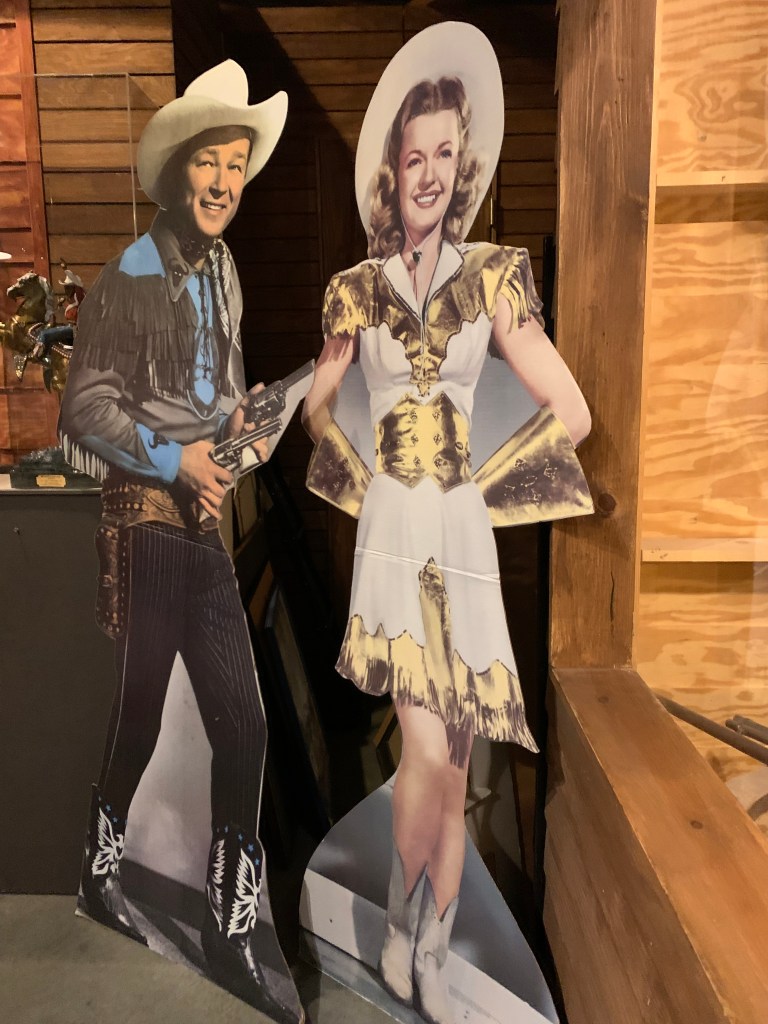
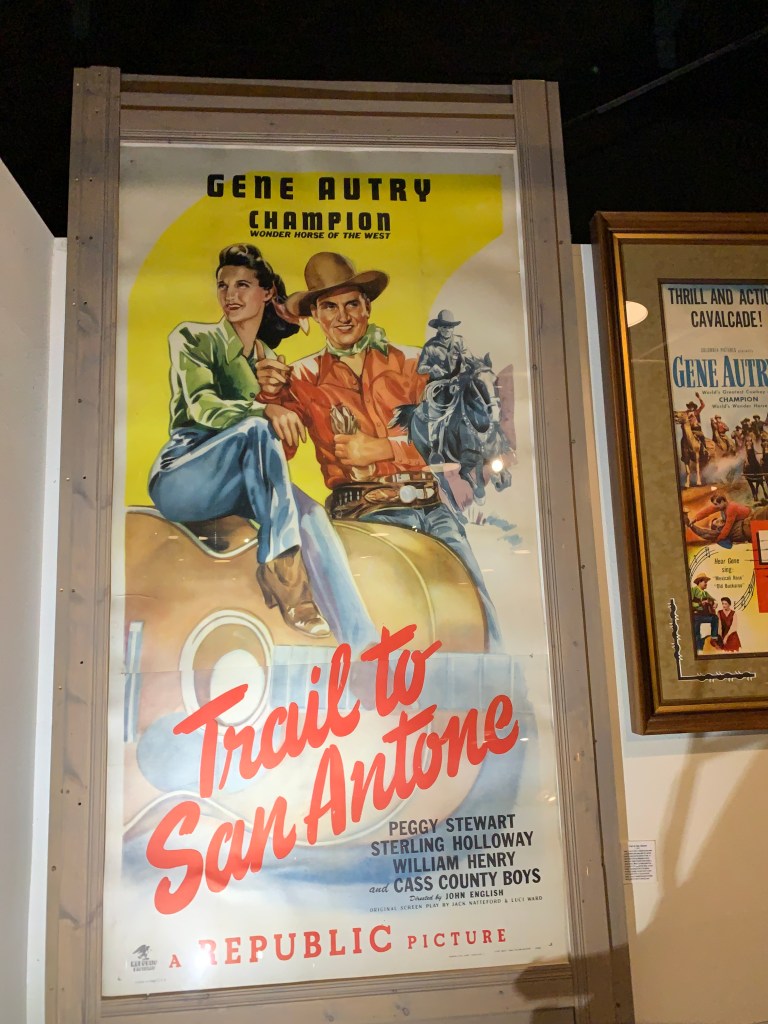
We want to return to Lone Pine, not just to visit the Ancient Bristlecone Pines. We skipped a visit to the former detention camp Manzanar, where Japanese-Americans were unjustly interned during WWII. And we could have spent a few days exploring the Alabama Hills, fascinating rock formations featured as a setting in over 300 Hollywood films. But it was about a hundred degrees in July. On our rest day, we toured the Lone Pine Film Museum. Here we saw relics of the many movies set in the scenery around Lone Pine. Westerns were especially popular. JG saw a genuine Hopalong Cassidy cereal bowl, featuring Hoppy and his horse, Topper. He used to have one just like it. I loved all the horse lore. Horse wrangling for the Hollywood folks was a huge business in Lone Pine. Those were real cowboys and real Indians riding and falling off real horses in the days before CGI effects.

Schulman Grove

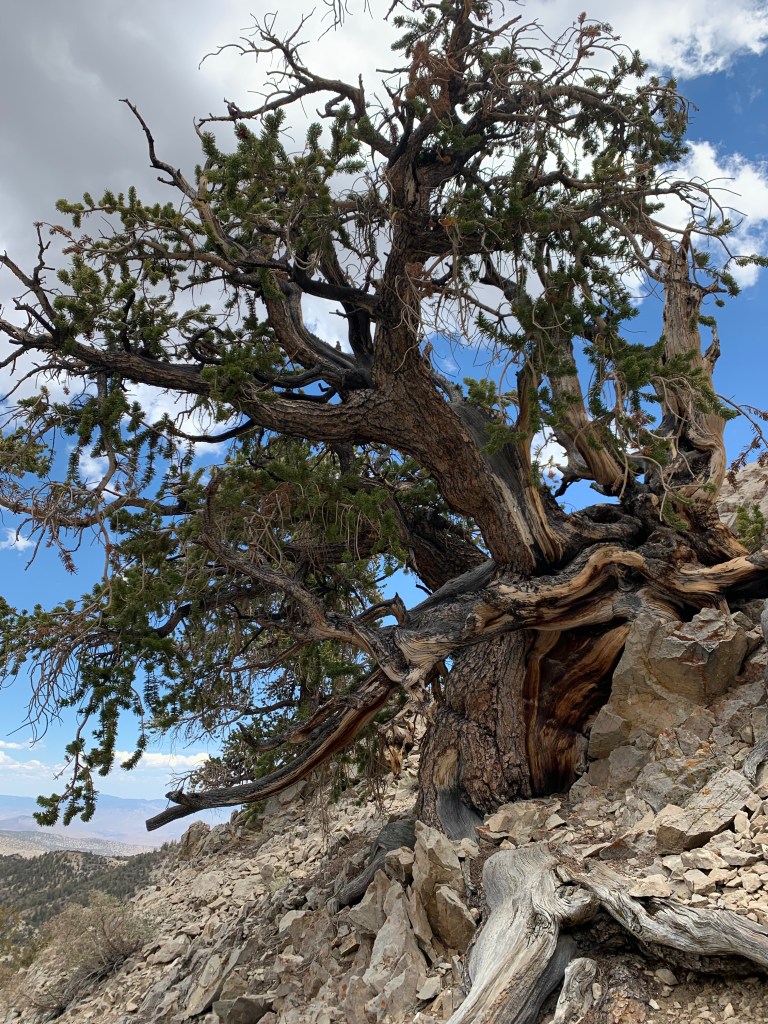
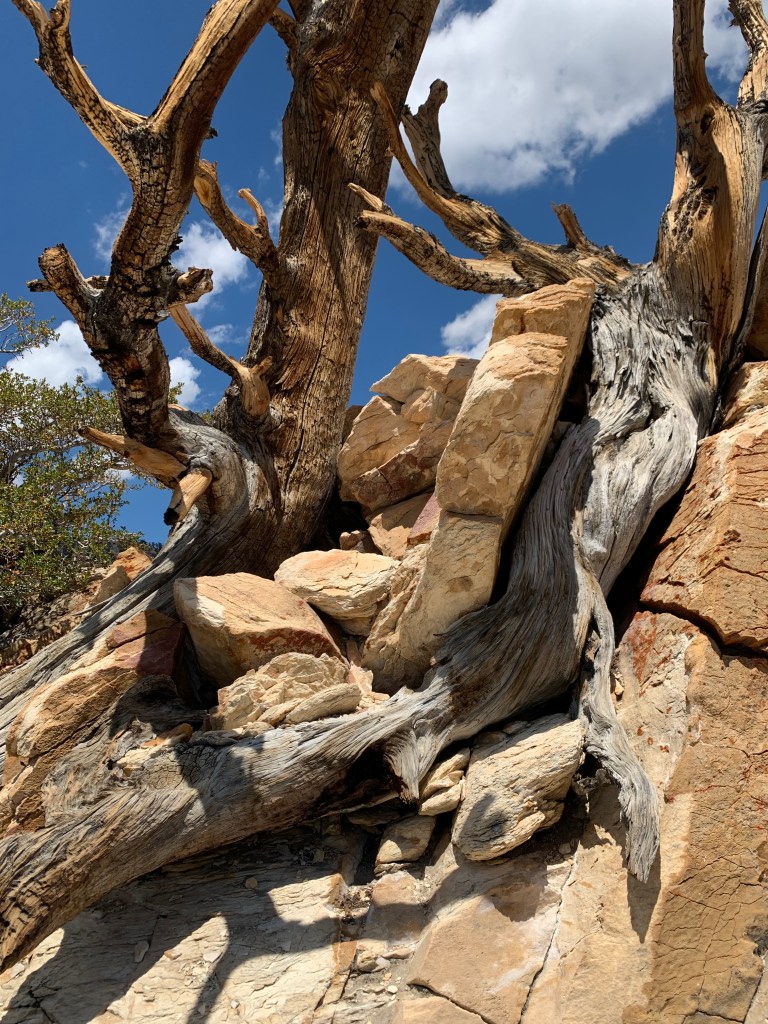
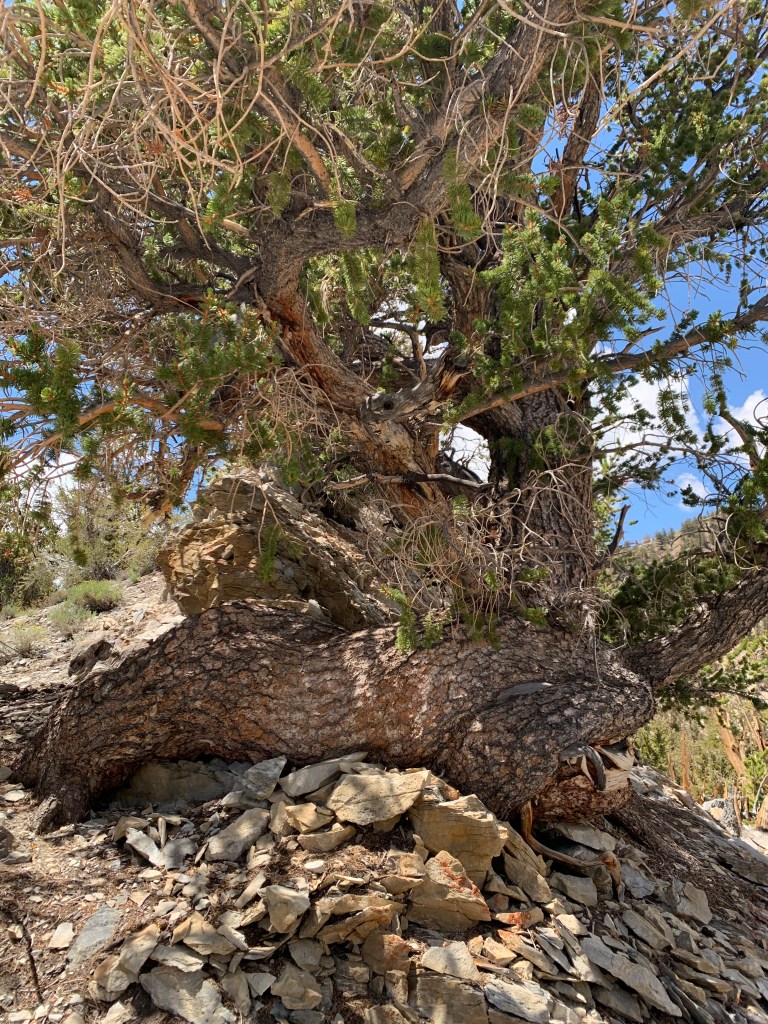
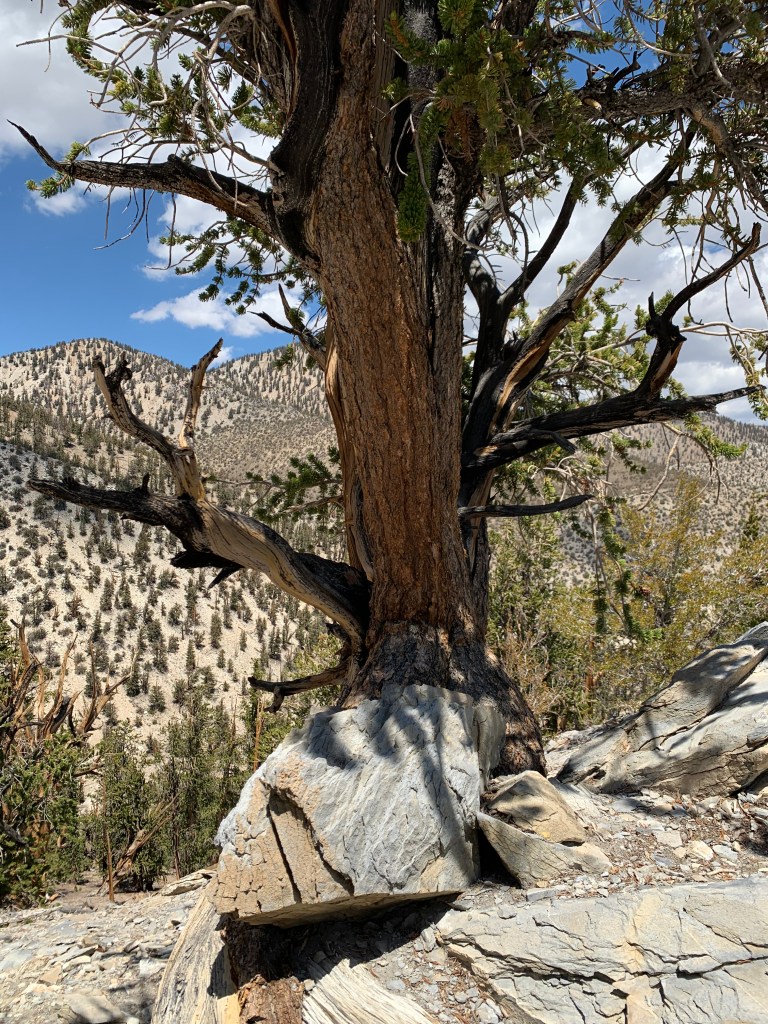
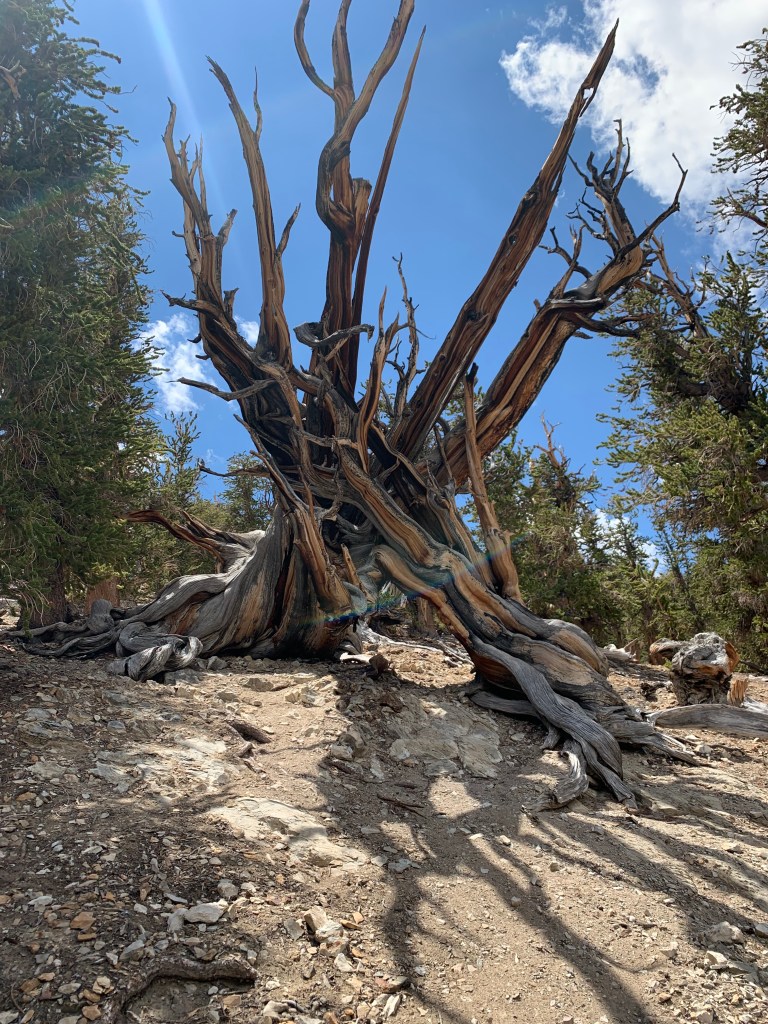
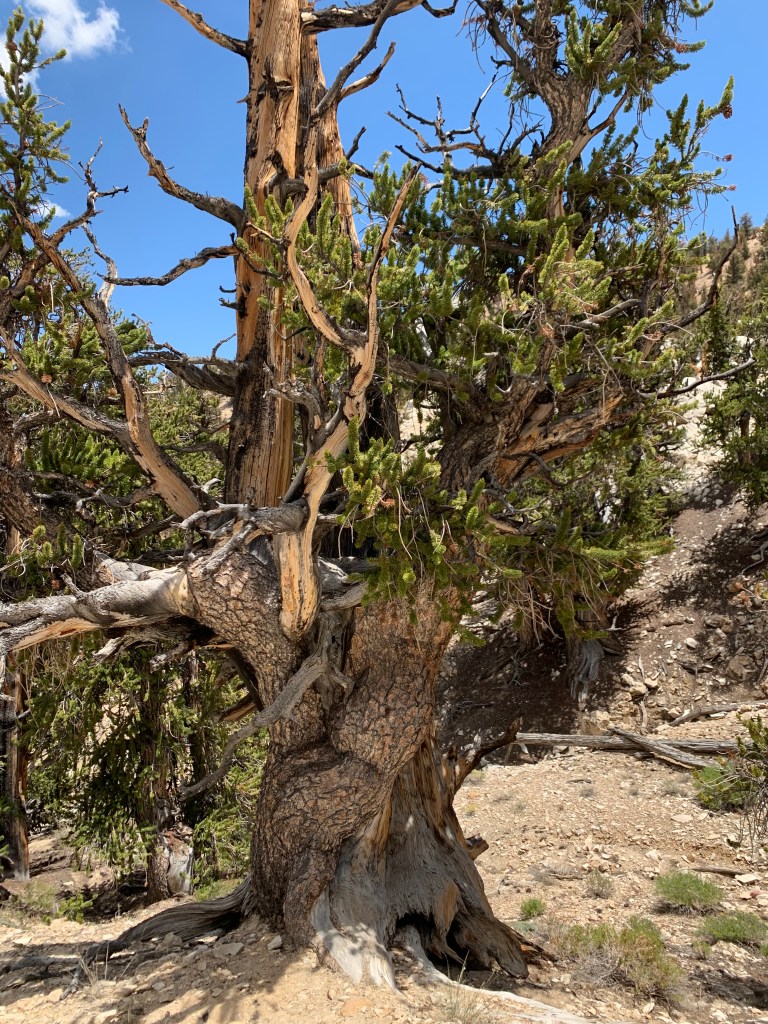
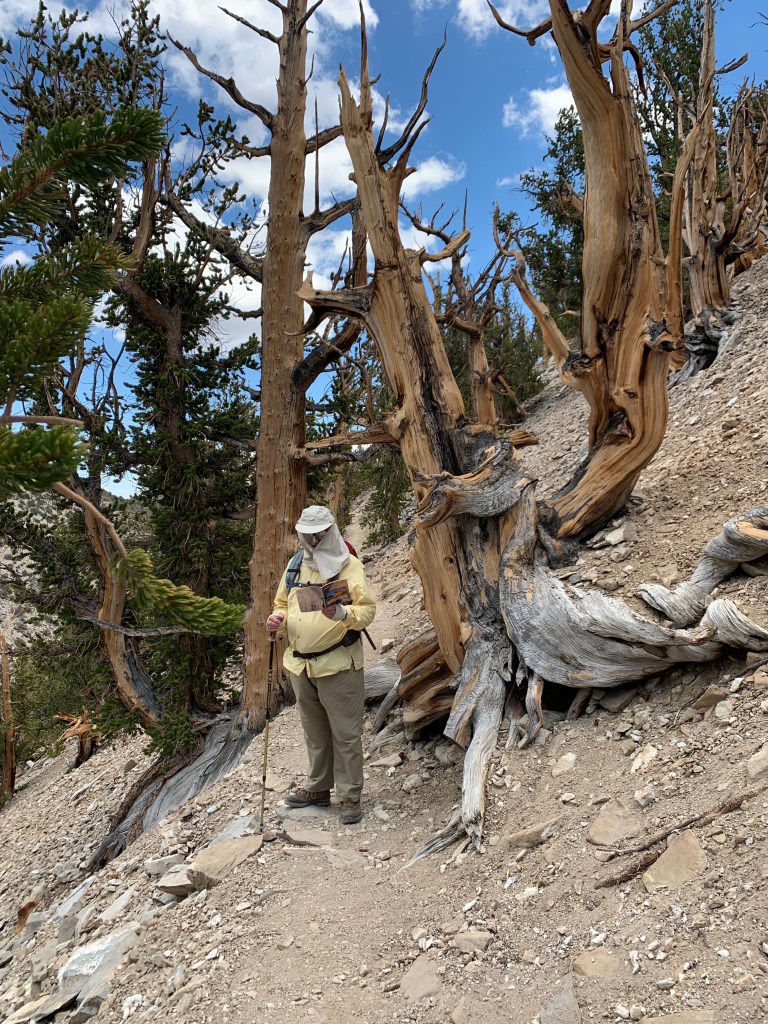
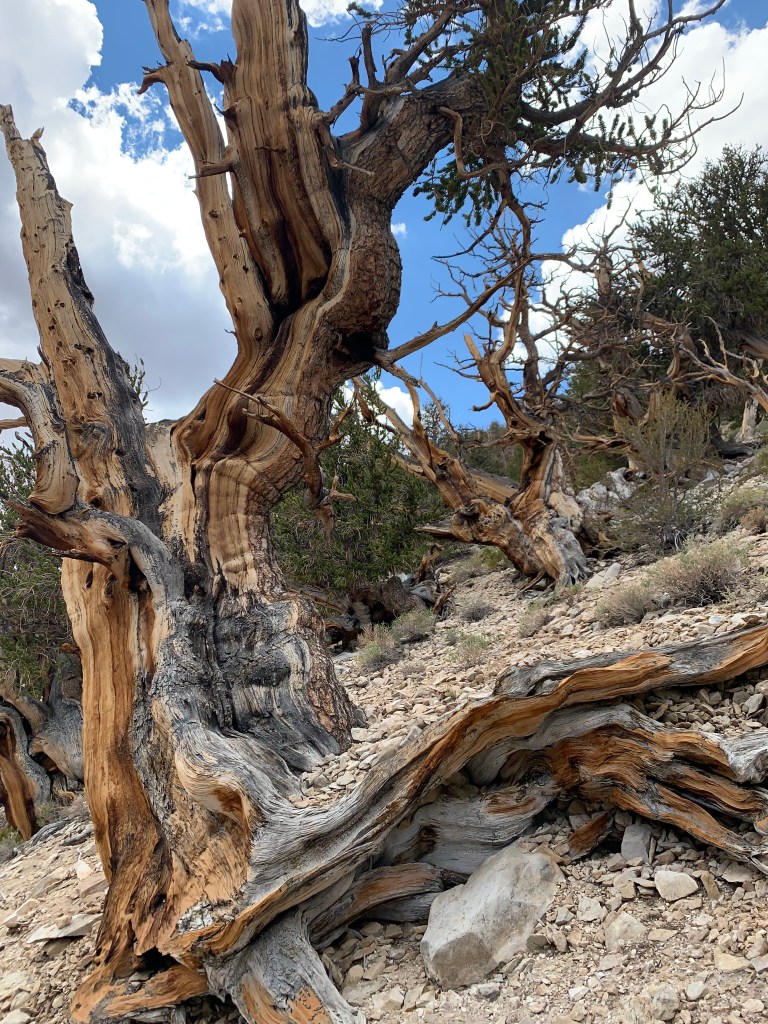
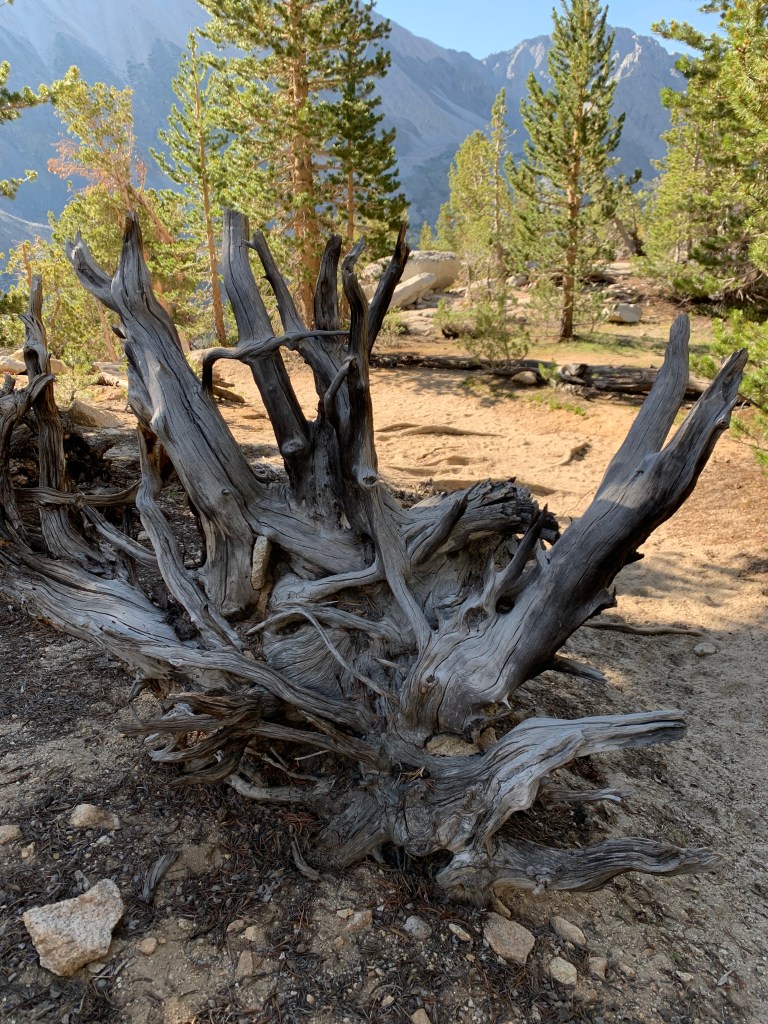
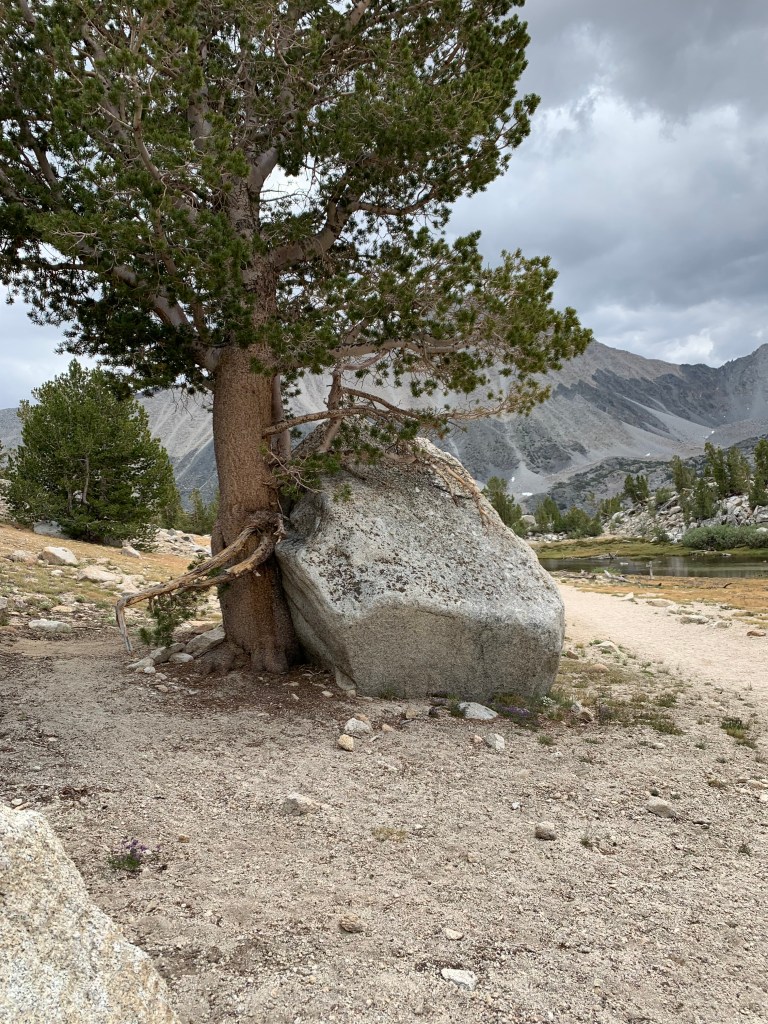
From Mammoth Lakes we drove south, then east to Schulman Grove. Because we had so enjoyed the Ancient Bristlecone Pines in 2021, we had promised ourselves to return. Growing at around 10,000 feet in the steep dry Dolomite soil of the White Mountains, the ancient Bristlecone Pine forest is a feast for those starved for a good metaphor. The Bristlecone Pine motto is, “What Doesn’t Kill Me Makes Me Change.” These trees live thousands of years thanks to a number of specific useful adaptations. Their roots can grow down or out to thwart erosion, a low branch can become a root and take in nourishment from the soil. When a storm topples the upper part of a tree, the lower part can keep living. When lightning strikes the main trunk and burns the inside of the tree, the outside can continue to grow. If wind and drought dry out the more exposed branches, the tree stops sending nutrients to the dead part in order to feed new growth elsewhere. So whereas the pampered Monterey Pine native to Pebble Beach winces, coughs daintily, and expires at the first bark beetle infestation or dry spell, those tough Bristlecone Pines shrug, adapt, and soldier on. 

I find a lot of beauty and mystery in these trees. But thoughtless people are everywhere, even in remote corners of California like this one.

The Methuselah Tree is said to be over 4,847 years old. We walked past it on the Methuselah Trail, but it is not identified. It seems foolish hikers chipped away a souvenir for themselves, thereby creating the one danger an Ancient Bristlecone Pine could not overcome: human greed. The federal caretakers quickly removed any identification around Methuselah. His brother and sister trees are at least 4,000 years old, making our Sequoia Sempervirens, and even Sequoia Giganteum,  look like babies. And by obscuring Methuselah’s identity he was saved from wanton pillaging.

There is an interesting obscure science called Dendrochronology which links tree rings to historical events. Thanks to the wonder of Dendrochronology, a shipwrecked whaling ship that went missing in 1858 was recently identified. How Tree Rings Helped Identify a Rhode Island Whaler Lost at Sea.

On 19 July we were interviewed by Bloomberg Science Writer Faye Flam. Here’s her article on the Ancient Bristlecone Pines: https://www.bloomberg.com/opinion/articles/2022-07-19/washburn-fire-isn-t-the-only-threat-to-the-world-s-oldest-trees?leadSource=uverify%20wall You’ll meet a paywall, but you can listen to the article without subscribing.

Must be a slow news day when the Bloomberg editors send Faye to fly across the country to LAX, then to motor up to the Schulman Grove in a rented SUV. She was hanging out with the scientists, gathering material for her podcast, and chatting with determined tree lovers like us. In the universally-understood language of hikers, I gave her some chocolate. She spoke like a TV news personality, polished and upbeat. I am not usually one to talk to the Press, but I made an exception for Faye because we were about the only tourists around, so slim pickins for the podcast. Shout out to Faye for her slow research and quick mind!

Mono Pass From Mosquito Flats TH

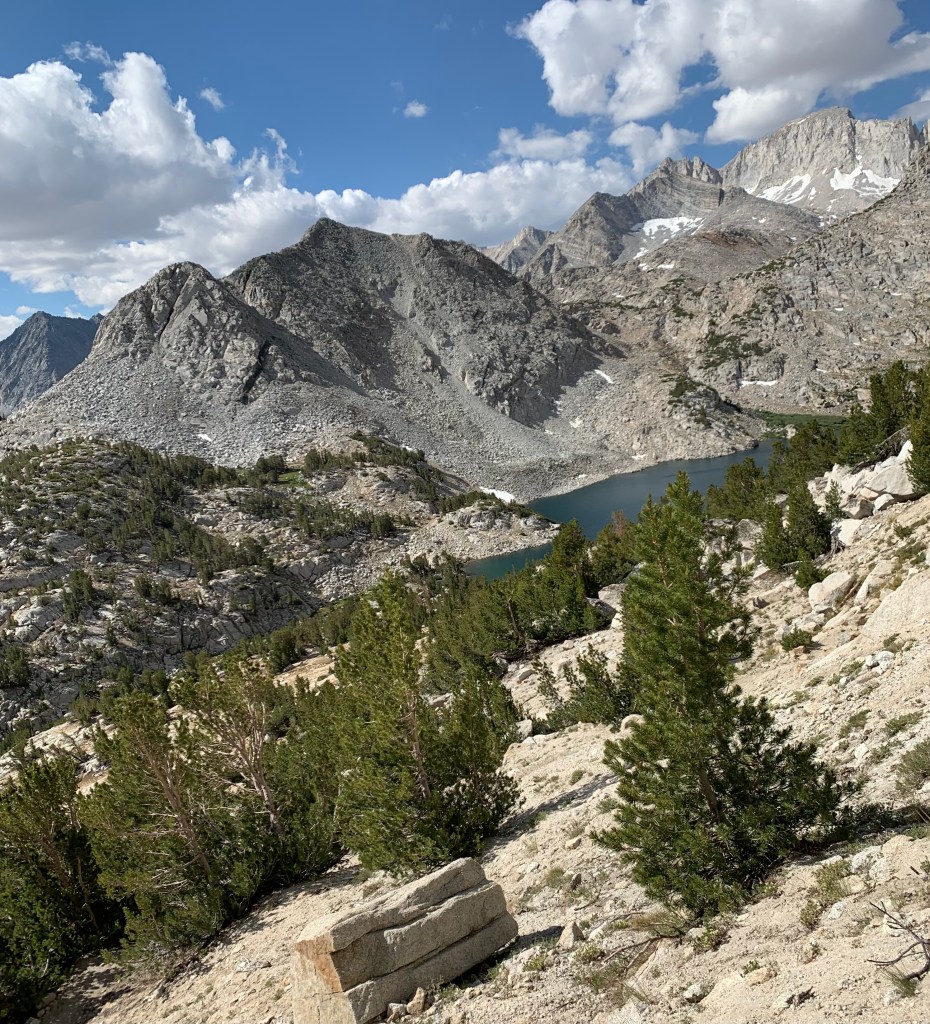
Credit to Derek Gulden for this Photo, Above Ruby Lake


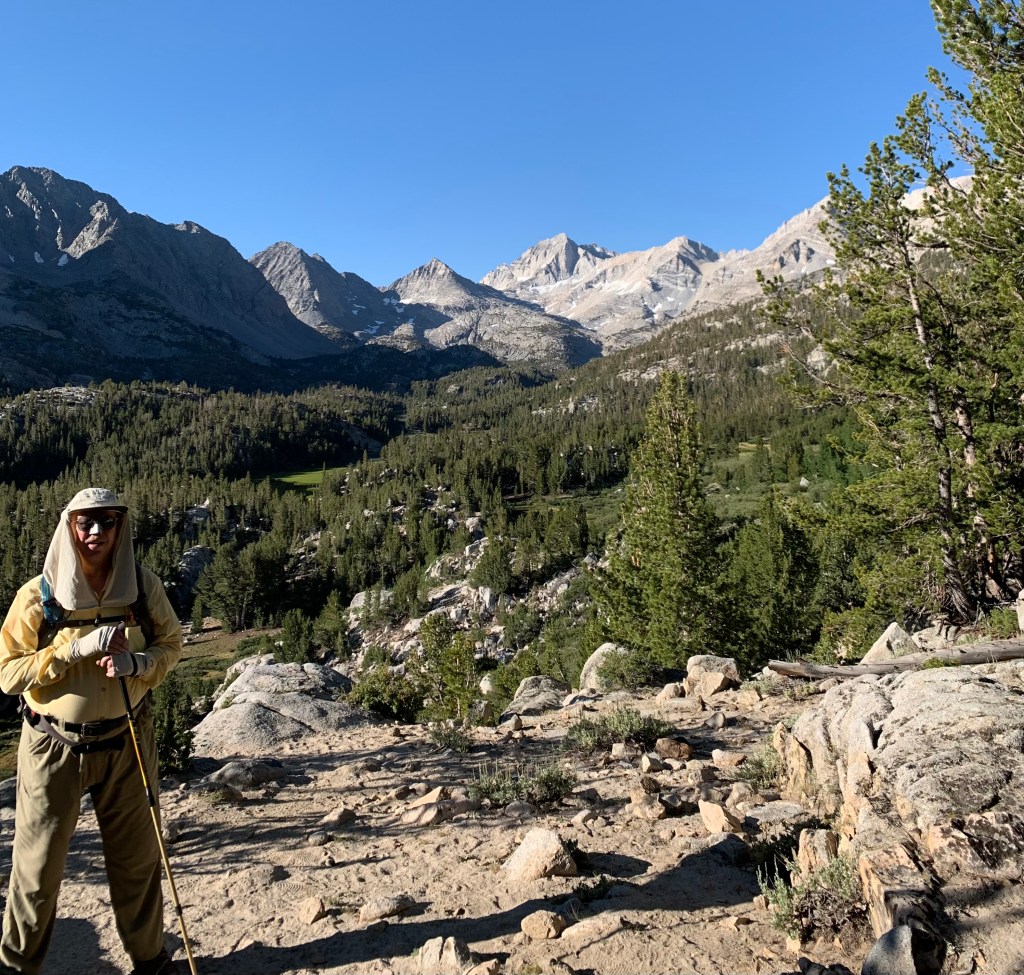
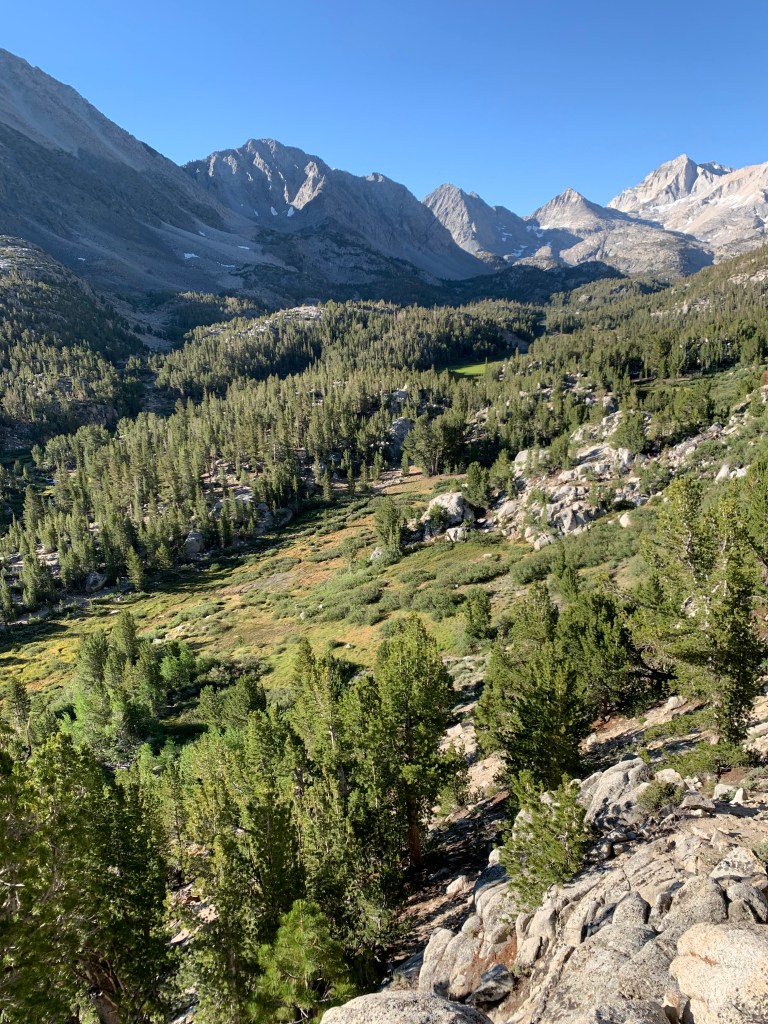
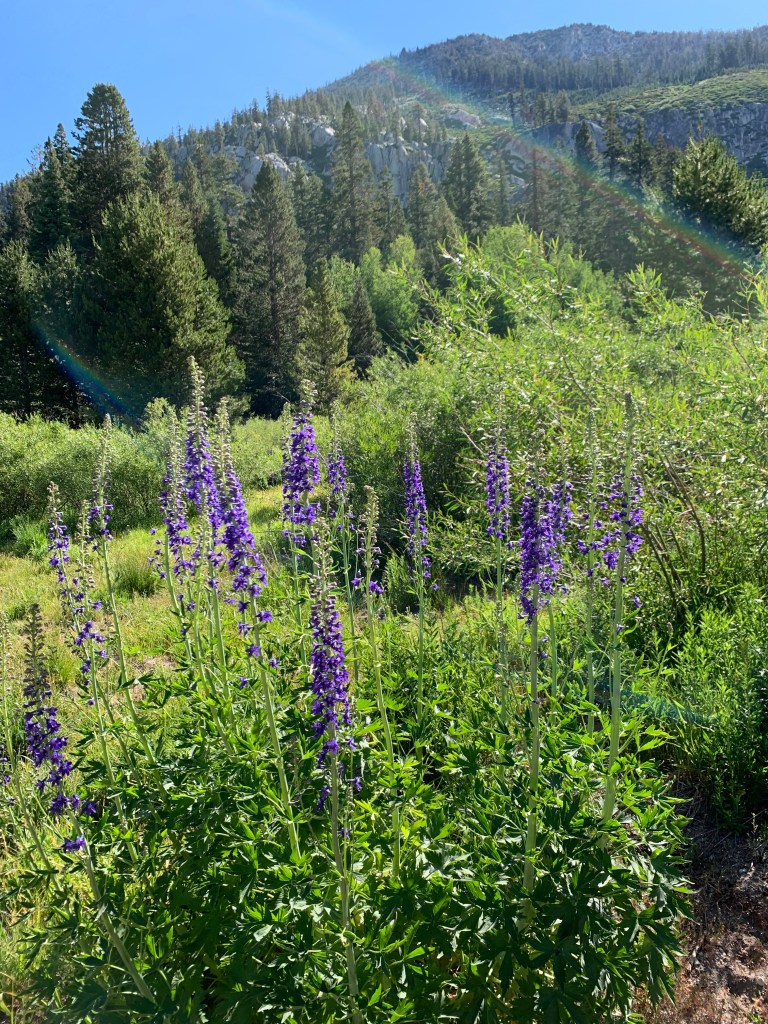
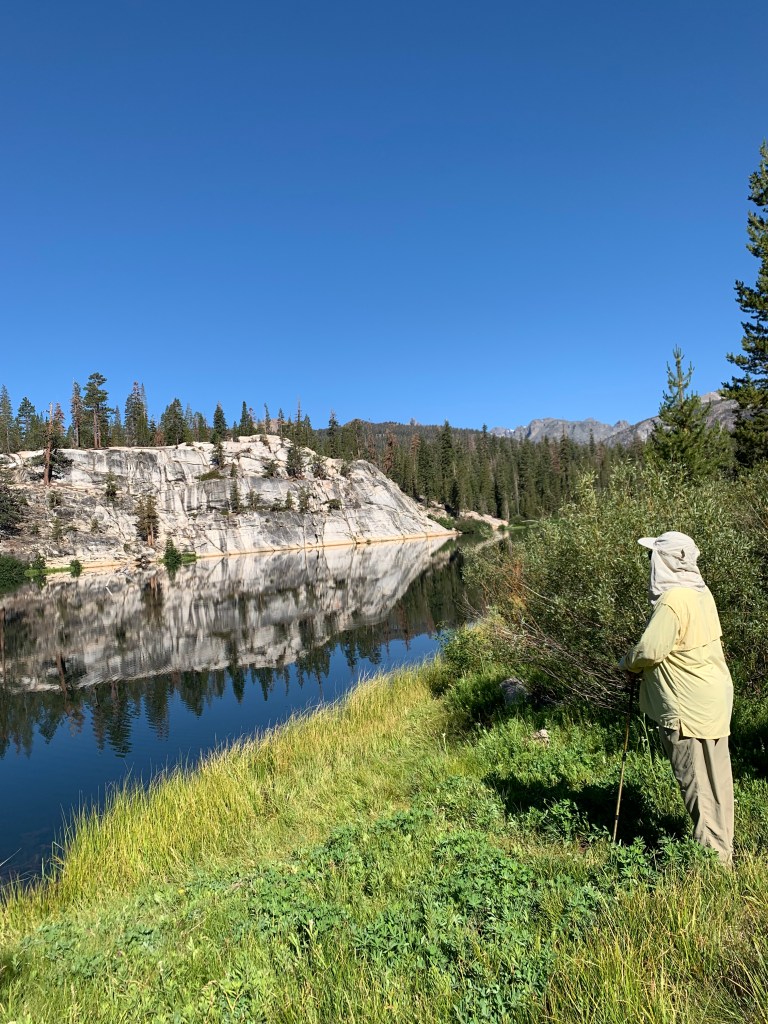
In 2021 we discovered a new trailhead southwest of Mammoth Lakes with the unpromising name of Mosquito Flats. Driving Joulie to 10,300 ft. elevation saves a lot of climbing. So the four or so mile walk up sandy or rocky switchbacks to 12,060 ft. Mono Pass means excellent alpine Sierra scenery without spending a lot of energy below tree line. This parking lot fills up quickly in the summer, but most hikers choose the less steep trail through the Little Lakes Valley to Gem Lakes or Morgan Lake. Little Lakes Valley is the trail we recommend to everyone and his grandma and his grandma’s poodle. The Little Lakes Valley we had hiked in 2021 and we’d already hiked part way up the Mono Pass trail to Ruby Lake. In 2022 we summited the Pass and descended a bit toward Summit Lake because the Pass was a windy barren moonscape. Along the trail I met a family from Tollhouse, CA undertaking a spirit quest together. The mom explained that Mono Pass was sacred to her tribe. The family backpacks together and the mountain talks to them. They may see visions. I was impressed at how the family patriarch, built sturdy like a wrestler, carried a heavy six foot spade as well two extra gallon water jugs and the youngest son’s backpack. The teen daughter wore a black T-shirt emblazoned,  “What Doesn’t Kill Me Makes Me Stronger,” nodding at Nietzsche and at Kelly Clarkson. My resilience anthems are, “What Doesn’t Kill Me Still Annoys Me,” or, after the Ancient Bristlecone Pines, “What Doesn’t Kill Me Helps Me Redirect My Energy.” But the scenery on this trail was truly awesome. It’s easy to look beyond muscle aches and blisters when you’re surrounded by glaciated mountains, ancient trees, and Sierra granite all topped with ever-changing puffball clouds in a bluebird sky.

By noon the bluebird sky had changed to threatening gray fleece and we heard distant rumblings. On our way down, we met a traveler from an antique land: a solo backpacker with long flaming red hair and longer flaming red beard, humping a 60 pound pack, laden with an SLR camera around his neck, carrying a microphone and maneuvering a hiking stick. This was a visitor from the land of the arts, an ancient land that lingers before it perishes. Artist Derek Gulden was also on a spirit quest, with no planned itinerary for twelve days other than creating art from his impressions of the mountains. He was excited about the imminent T-storm, looking for a rock to shelter under while he recorded the thunder and photographed the lightning. I was inspired by his commitment to authenticity. Of course he could draw in lightning in a Photoshop sky and never have to deal with seeking shelter. But knowing that he was really there for this T-storm changes the way I view his photo of a T-storm. This quality of authenticity is something I cultivate in myself and cherish in others. It’s about showing up as yourself in life: hard to put in words but valuable beyond measure.


As the first raindrops fell, I ducked into a pine grove and put on my rain gear. JG opted not to put on his new rain parka because he said the rain felt refreshing. Within minutes the rain became a downpour and we consulted under a tree about whether to take shelter or keep descending. We decided to keep going as we were only about two miles from the trailhead. JG said he was wet already so no point putting on the rain parka now. We splashed and thudded down the trail, occasionally overtaken by nimble hikers high-tailing out of the back country. The rain turned to hail and nipped a bit as it bounced off our hats. We were happy for hiking sticks, as the trail had become a stream dotted with slick boulders. JG was now thoroughly soaked, striding rapidly, navigating on instinct because his glasses were wet. But he was cheerful. This was, after all, what we go to the mountains for.

Devil’s Post Pile NM

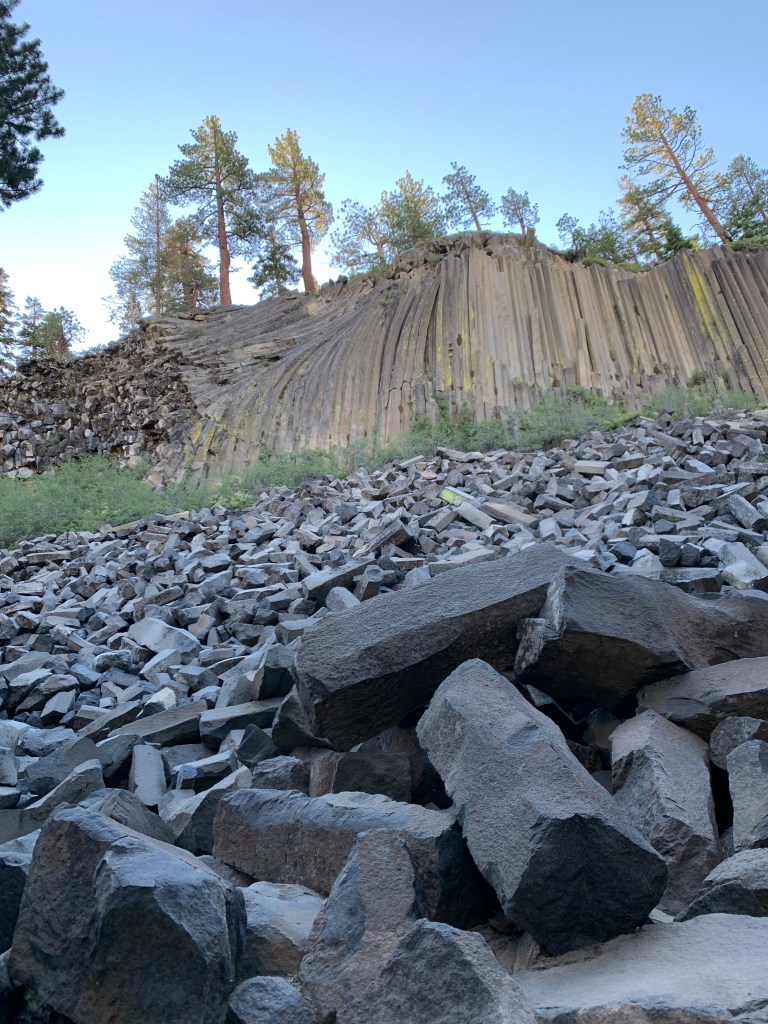
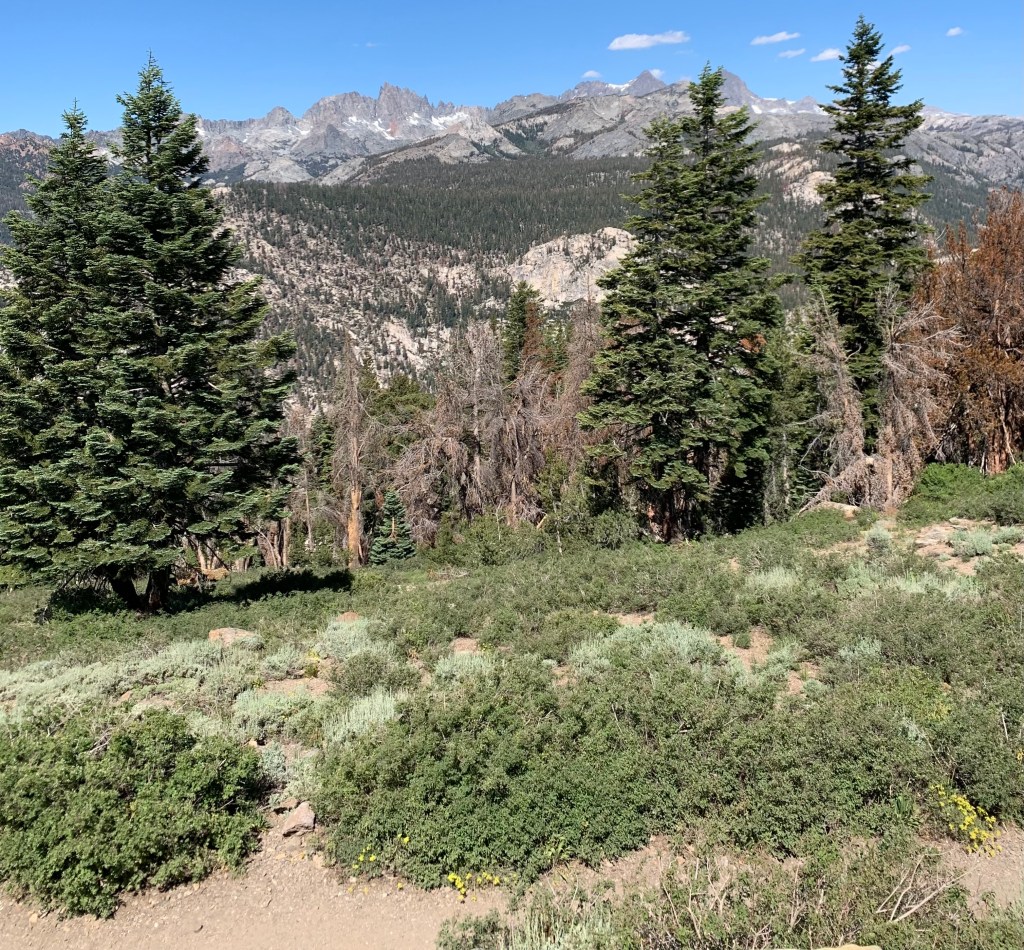
We followed the exhilaration of alpine back country with an easy day of fooling around under 8,000 feet. We played “Beat the Ranger” to pass by Minaret Vista Ranger Kiosk before 7 am. After that time until 7 pm, only shuttle buses and campers or backpackers with reservations may pass through.  We went sightseeing: stopping at every shuttle stop to look and walk around. My earlier trips to this area were marked by illness. I remember sitting in the parking lot at Devil’s Postpile NM, in about 1997 waiting for Mom and a few siblings to hike .4 miles and back to view the basalt columns. It was a very nice, scenic parking lot, but I was having trouble walking. Then in 2017, while back at Mammoth, I was flattened by fatigue and pain, later diagnosed as idiopathic angioedema, and I was struggling. Yoga teaches me to have a dialog, not an argument, with my body. Admit and allow. So I recognize and honor my limitations. In 2022 I could be especially joyful when revisiting Mammoth Lakes. Back to Agnew Meadows, PCT Trailhead and Pack Mule Stables. We saw lovely Sierra meadows crisscrossed by creeks and dotted with glacier erratics.  The wildflowers were just past their peak in late July.  The people-watching in the National Monument Parking Lot was very interesting. We heard many foreign languages and saw a flock of schoolchildren as well as families and grouplets of college-age young people. About 8:30 am we were treated to the sight of a herd of adolescents, about 13-14 years old, hiking out of the backcountry, where they had been outdoor-educated. We interviewed a counselor and a few of her ducklings.   All were enthusiastic, despite sunburns, scratches and blisters. “I am sorry it’s over!” said one girl who had obviously packed her wobbly, uneven backpack herself. “I can’t wait to come back!” exclaimed another girl, who had strapped a stuffed unicorn to her backpack. “That was amazing!” agreed a boy with a fishing pole for a walking stick. They were waiting for their bus to come and planning a stop for ice cream before returning to the Fresno area. I enjoyed their enthusiasm for the natural world.   

We had beautiful Sotcher Lake about all to ourselves as we hiked around it. We went looking for an informative Nature Trail, but after a single sign saying “Red Fir” we saw no more markers. Instead, we made up our own trail, after the trail washed out, and added Nature Trail commentary along the way. Wildlife sightings: a duck, a jay, and a Roseville retired beer distributor with a brown Lab, unsuccessfully fishing. I am happy to report our Permethrin-treated garments performed wonderfully as we walked through clouds of mosquitos on the swampy northeast side of the lake. The mosquitos persuaded us to keep moving as we admired several stream gardens at the base of a glacial moraine. 

Then we happily returned to Joulie for the drive up 2000+ vertical feet to Minaret Vista Viewpoint. After gloating about how easy we had gained altitude, we peered through the sighting scopes to pick out the mountains named for white male surveyors in the 19th century. 

The day was clear and sunny until a late afternoon T-storm blew in. By that time we were lolling in our hotel room, snacking on the free trail mix provided in the lobby, while Joulie slurped Amps in the parking garage. Nothing like watching a Sierra storm from out the window.