Japanese culture values the good of the group over the will of the individual. A good person learns to submit. A good warrior is loyal to his regiment. A good child obeys his parent. We each consent to follow the rules.
So it was especially distressing for our wonderful guide Joyama when one of our group of twenty went missing at the Fushimi Inari in Kyoto.
Through our audio earpieces, Joyama’s amplified voice had clearly and forcefully told us the instructions. We must stay together. If we get separated somehow, meet at the entrance gate at 11:15. She then counted us and led us through the shrine. We finished at 11:00 and waited another quarter hour for Marshall. Marshall’s wife said she lost track of him. Maybe, in this sacred locus of hidden desires, she had wished him away. She showed Marshall’s photo to one young man in our group who offered to check the toilets. I snickered to JG that he got too comfortable on the heated Toto seat. We all waited another half hour until our charter bus driver called our guide to say that Marshall had turned up at the bus. We walked back to the bus parking lot. Instead of having 45 minutes of free time for shopping or street food, we stood around waiting for Marshall, expecting him to show up any time. As we boarded the bus, many of us out of sorts at having to stand around, Marshall’s voice boomed out from the back. “I’d just like to apologize to everyone,” he said. “To be fair, I had to answer Nature’s call.” It was such an example of sorry-not sorry from this entitled rich white guy. He still did not get it. It was not about Nature’s call; it was about him not following directions. I wondered what we could have done better. I ended up believing it was cultural. In the end, he cost us all some time and our poor guide was distraught.
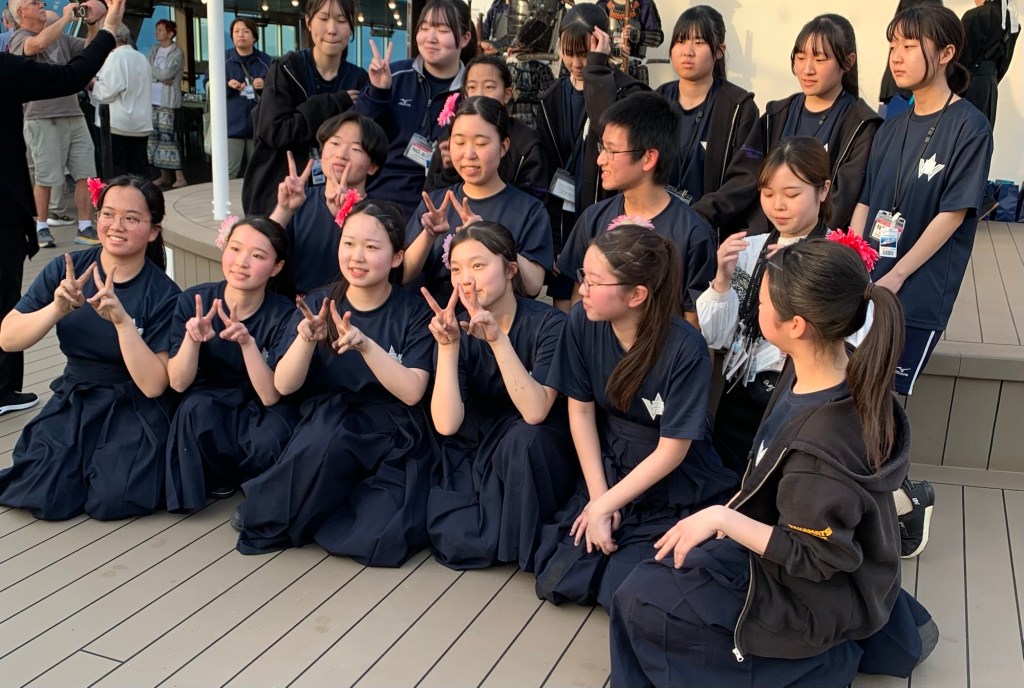
I have enjoyed seeing groups of students and solo teens. Some are runners, some bicycle past me, some were practicing dance steps, some form cliques and hang out with their friends. I was fascinated by the local high school’s Performance Calligraphy Team. Teams compete against other teams in an activity that is a combination of dance moves to J-Pop and delicate brushwork.
Takamatsu Performance Calligraphy TeamTakamatsu HS Baton Team
Even when they’re not wearing a school uniform, the kids often dress alike in dark jeans and athletic jackets. And they dressed up in rented kimonos just to stroll the suburban streets around Kyoto. They eat carbs on a stick from street vendors. But some teens don’t connect with others.
About 1.2% of young Japanese withdraw from the rest of the world, including their families. What might seem like a single individual refusing to do what’s expected is a cultural phenomenon. These people are called NEET’s, for Not Enrolled, Employed, or Trained. The Japanese term is Hikikomori. There are estimated to be over 700,000 of these people in post-industrial Japan. This study author calls them culturally marginalized. More people, especially young men, are falling through the cracks in the 21st century. I am sorry the outside world offers them no sustenance which appeals to them.
Here’s a link to researchers who are developing an assessment tool for NEET’s and Hikikomori.
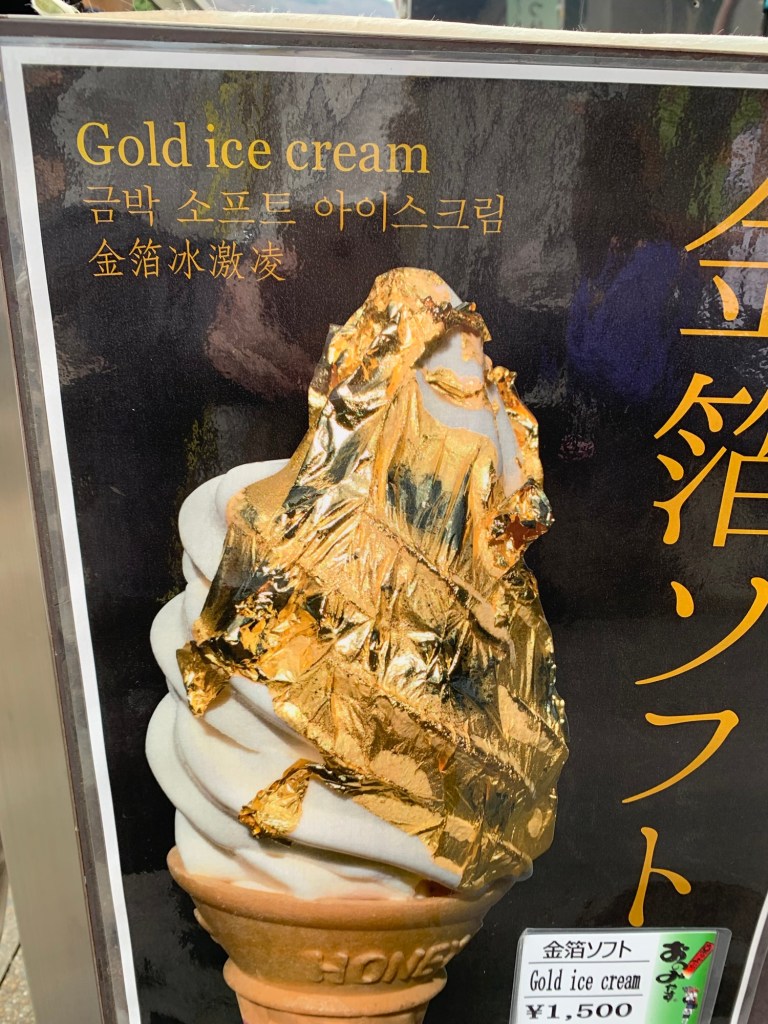
One problem with the outside world is the shallow way the internet glorifies a fancy look. Though gold-wrapped soft serve ice cream looks posh, the taste will be metallic. So many young people are overly concerned with looks over deeds because they care what their posts look like. They value photo ops more than views.
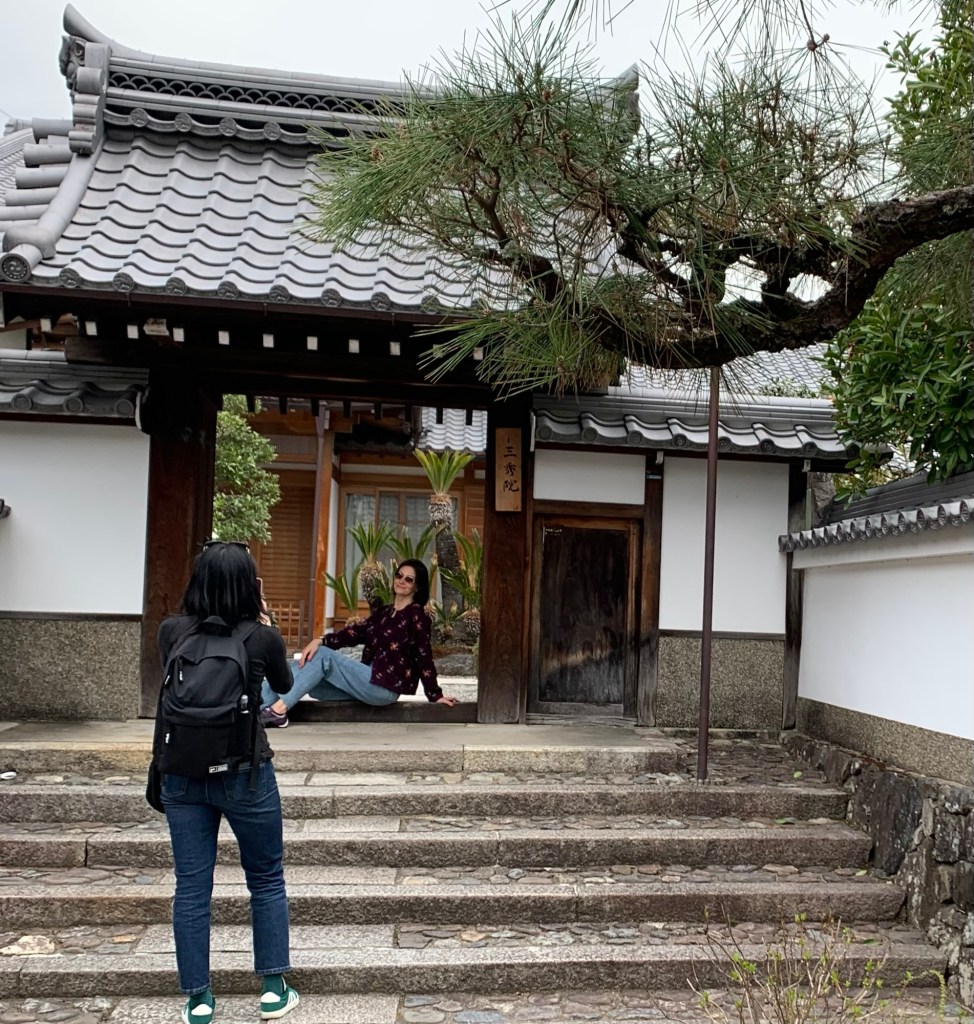
Impractically Lying in a Doorway
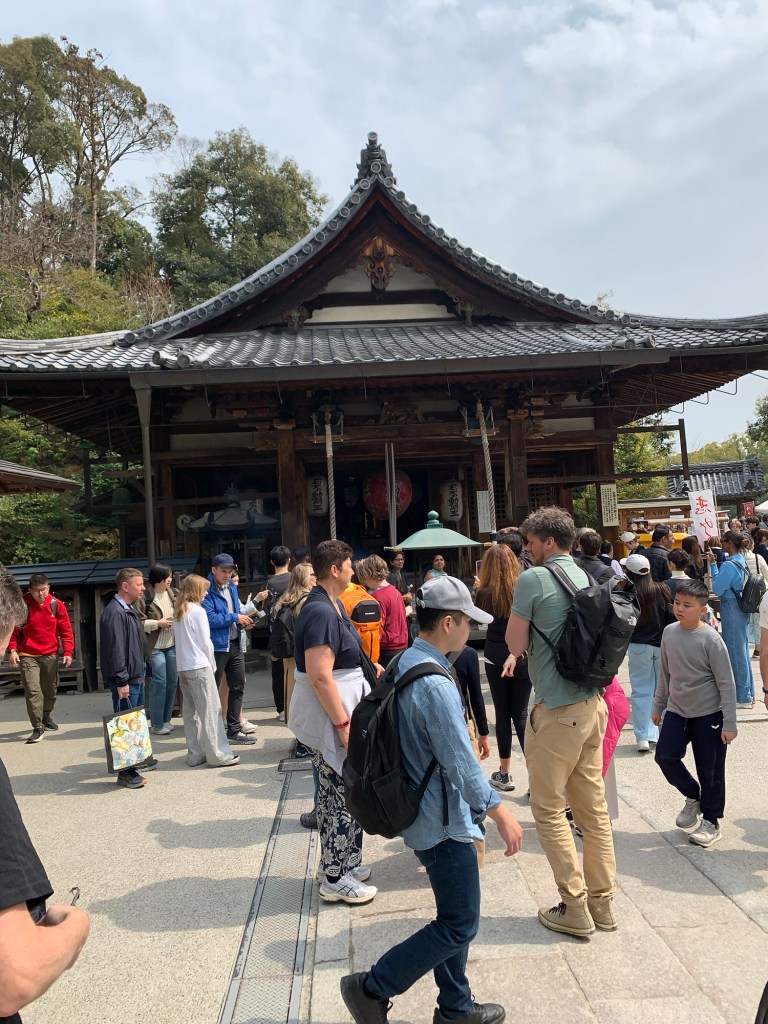
At the crowded shrines and gardens, foot traffic is impeded as we wait for others to take photos. The conceit is that the subject is alone in the frame. We each want to be the star of the show. But we are part of a swarm, not quietly posing and cogitating like this pup in Arushiyama.
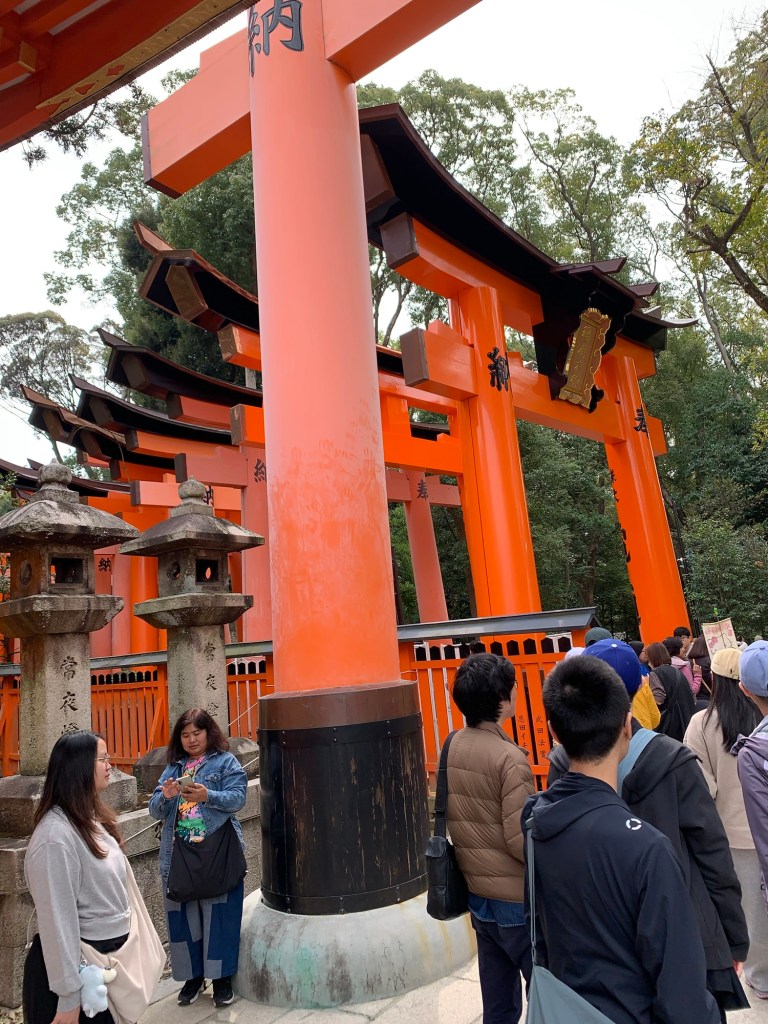
A Shinto shrine in Kyoto is a good place to practice eeling, not contemplation. Eeling is what M calls weaving your way along in a crowd. The Inari shrine (from 710 CE) dedicated to the god/goddess (early depictions are female, then in the 19th century she was drawn as male) of rice would be filled to the rafters with visitors, if there were rafters.
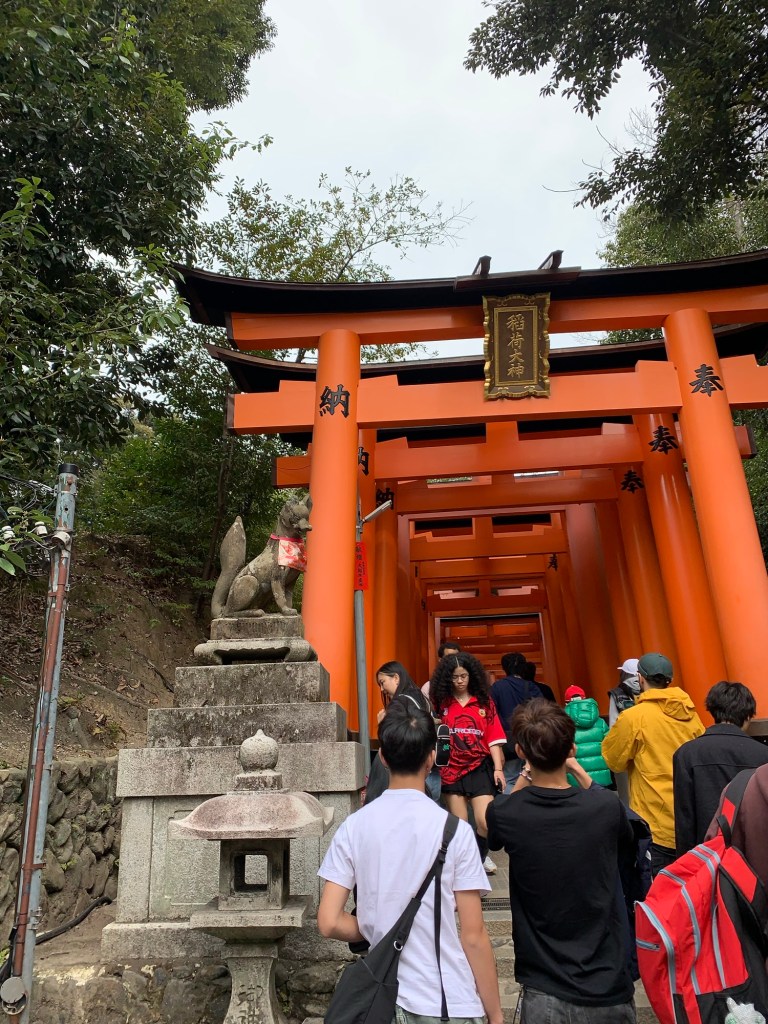
Torii, Kitsue. Visitors
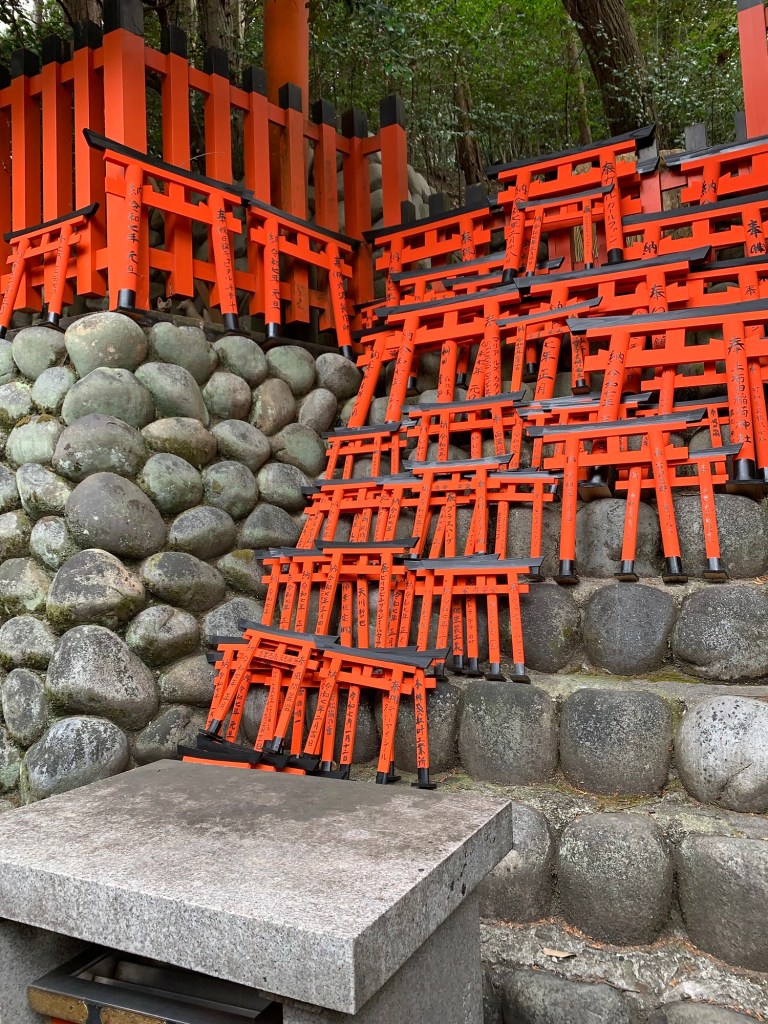
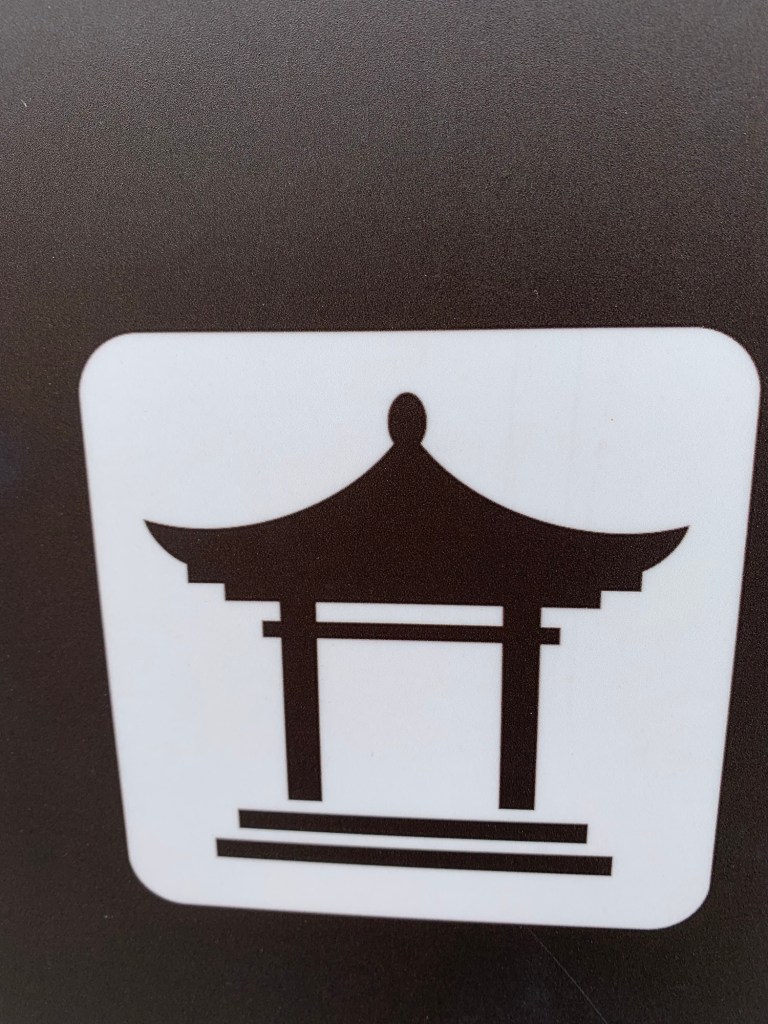
Instead there are Torii, vermilion structures consisting of two cylindrical wooden posts with an extra long cross bar on the top and a smaller crossbar somewhat below the first. These are mystical gates to welcome and appease the Kami, the unseen spirits who populate the natural world. Unlike Bali, with its gods and demons ever at war, Japan’s Kami are a varying balance of benevolent and indifferent, like nature, wrapped up in one package. You have to watch out for Yokai, the shapeshifters who are pranksters or malevolent spirits.
Our guide summarized the two coexisting religions of Buddhism and Shintoism: Buddhism is for somber occasions and Shinto for joyous times. Give up your attachments like Buddha but don’t forget to party with Inari for a good harvest. Toast her with sake! The 10,000 Torii have accumulated over the years as thank-you’s to Inari for granted wishes. Her familiars are stylized foxes, called Kitsue. The stone Kitsue had magical symbols in their mouths like a sheaf of rice or a key. Worshippers had draped the Kitsue in cloth bibs. They reminded me of what happened to Olaf when he strayed too close to a basket of laundry.
JG and I washed our hands before entering the shrine and then we staggered along in a huge gaggle of people. JG was annoyed by this experience. People jostled him and he tried to avoid stepping on others’ feet. As a smaller person, my experience eeling was a little different.
Joyama, our guide
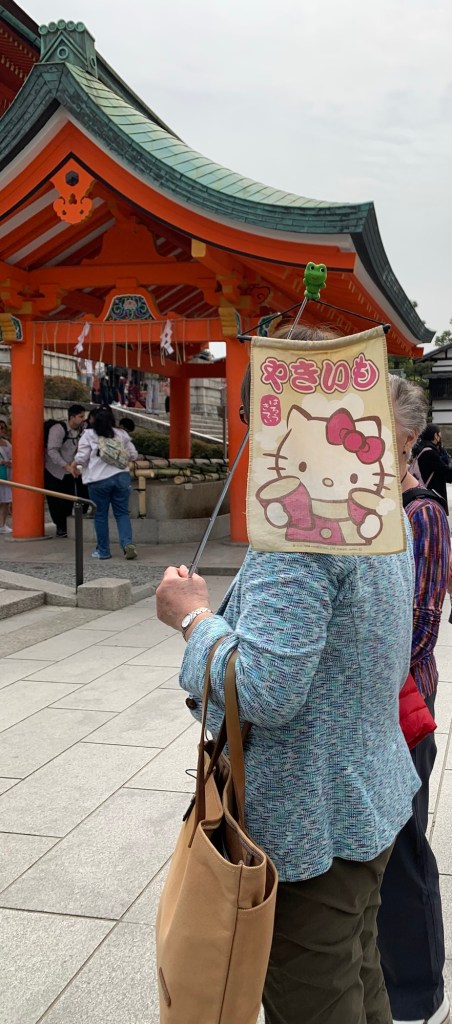
I kept one eye on our guide, who was holding a “Hello Kitty” banner, and one eye on my spouse. I thought the people-watching was interesting. Though I didn’t get stepped on, a Westerner’s Fjållråven daypack knocked my glasses off when he turned around suddenly. Was that the Arctic Kitsue sending me a message?
Fjållråven, Swedish Kitsue
“Overtouristed” muttered our guide into our earpieces, biting the hand that feeds her. JG: “I felt like one of those rats in the overcrowding experiment. I felt like biting someone’s tail.”
What we were supposed to be doing while eeling was praying. Something like: O Great and Beneficent Spirit, grant me this my dearest wish, for _____. Stands in the shrine area sold good luck charms, lucky number scrolls, fortune-telling stones, and stuffed Kitsue to go.
There were opportunities to write out your wish and leave it at the shrine: ¥200 for a small wish and ¥700 for a big wish. We could read what others had wished for in English: health, lasting love, and prosperity came up frequently. One supplicant wished for a good score on the LSAT. No one wrote about rice.
Wishes to InariTiny Thank-you Torii for small favors
As an aside, the Japanese eat some foods I can’t imagine putting to my lips. I have on occasion accidentally worn some ice cream on my shirt. This gold-coated soft serve ice cream may look fancy, but it’s best not to confuse one’s dessert with one’s jewelry.
Kobe looks new and polished: elevated toll roads beside quiet electric trains, modern skyscrapers, busy but orderly traffic. In 1995 much of Kobe was wrecked by an earthquake, with over 40,000 casualties and thousands of downed buildings. So the city got a chance to realize its urban planning goals thanks to cooperative efforts from government and industry.
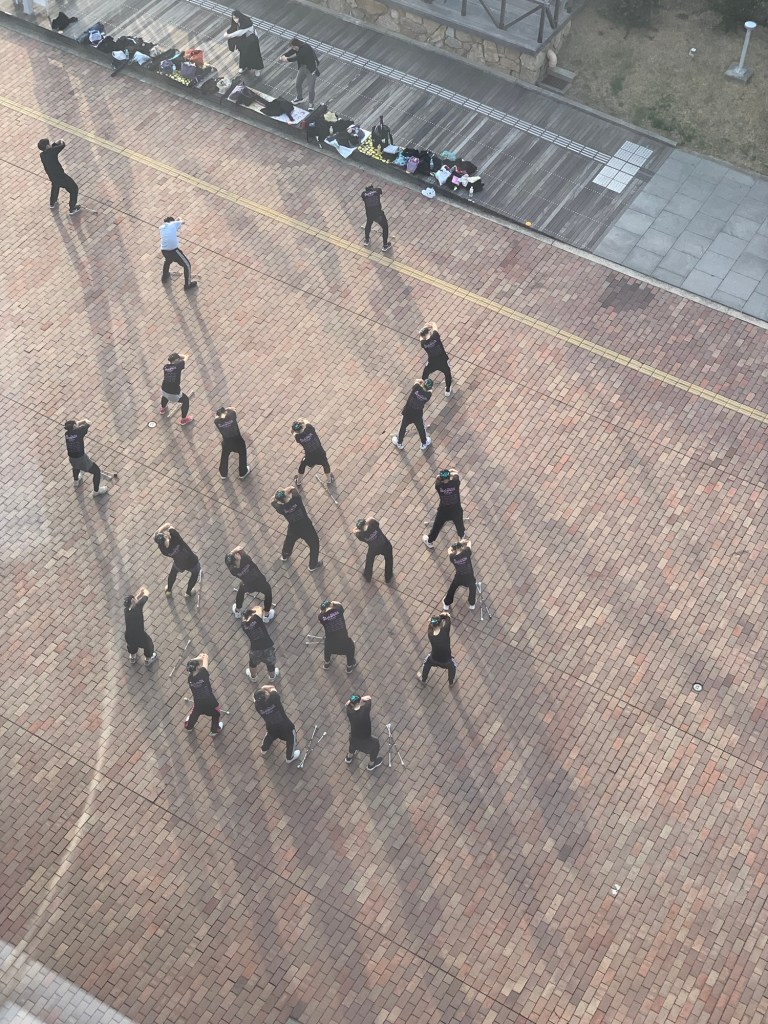
We arrived on a Sunday and watched teams of teenagers practicing dance routines in the park. There would be a parade later that day celebrating Spring Equinox or Cherry Blossoms, I wasn’t sure which. Internet is spotty so I couldn’t look it up. But watching the teens set up and practice was interesting in several ways. There was no adult coach. Their backpacks and bikes were lined up against a wall, unlocked and unattended. Unvandalized vending machines were everywhere.
Energy Drinks and Juices
They focused on rehearsal without too much obvious fooling around. Their outfits were familiar: black jeans, black T-shirts, black athletic jackets. I saw that the street would be closed later and was sorry to miss the performance.
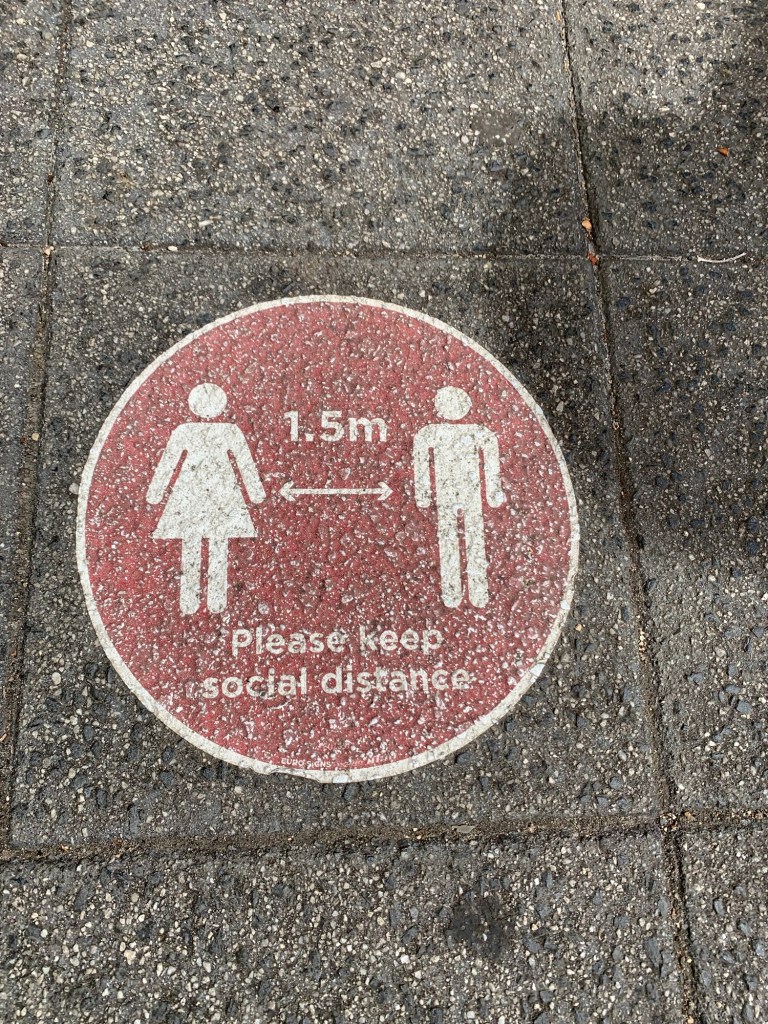
We walked to the Kobe City Museum. We put on face masks, kept quiet, and inspected the documents because that’s what everyone else was doing.
The exhibit on old maps and engraving captured only a sliver of my attention, but JG liked it better. Two impressions stayed with me. First, the star charts did not distinguish between astronomy and astrology. Those who mapped the stars also interpreted them. Second, maps of some Buddhist temple compounds were needed because they were as large as villages.
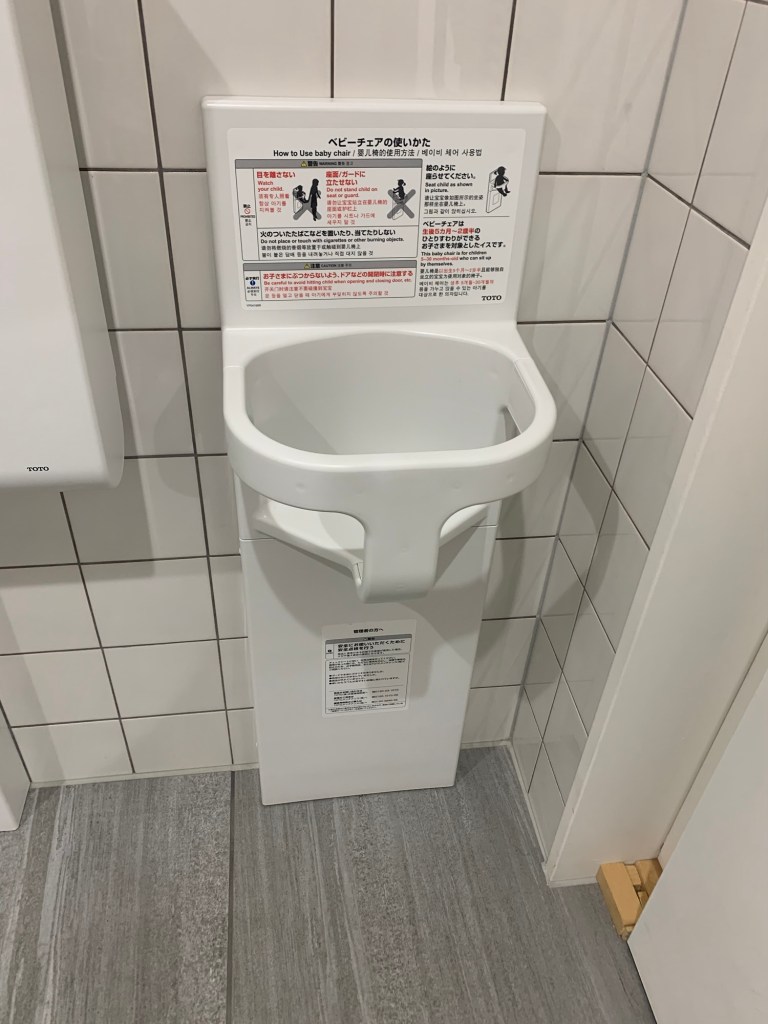
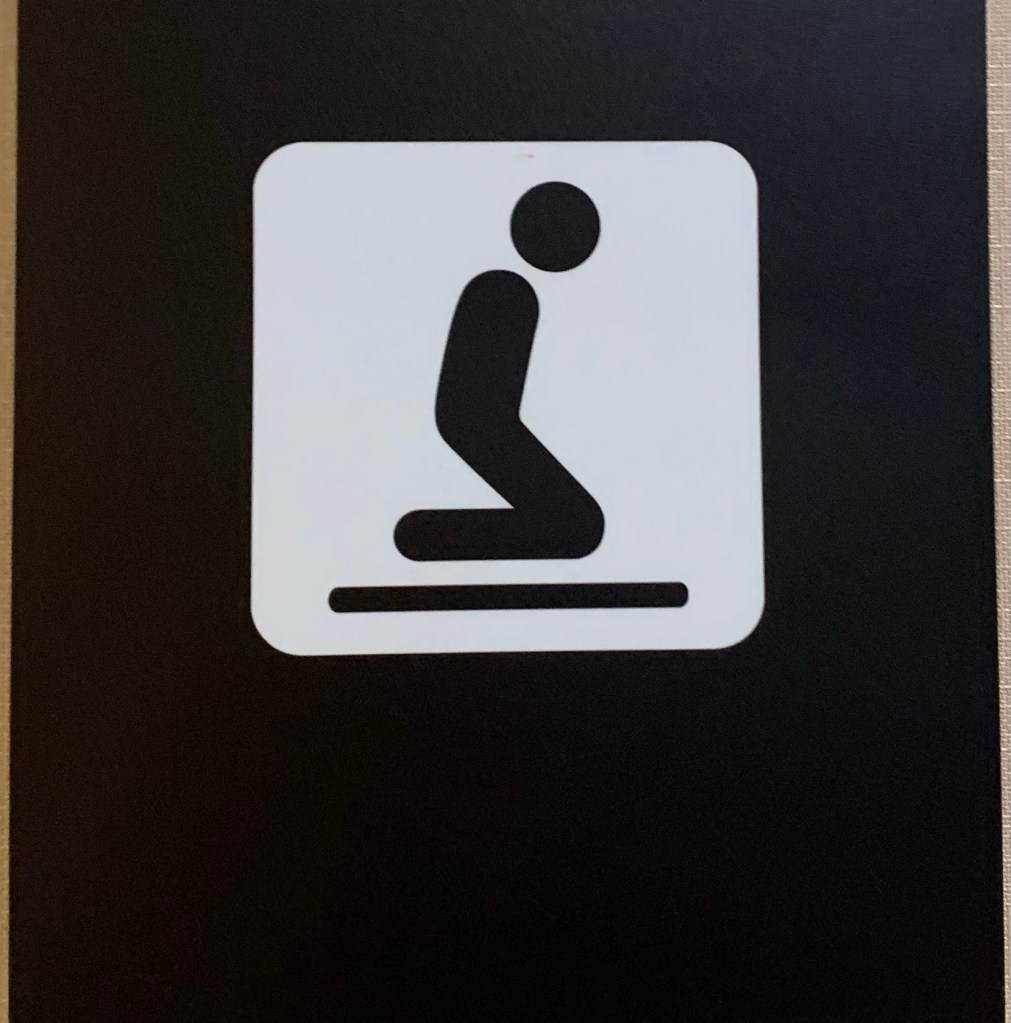
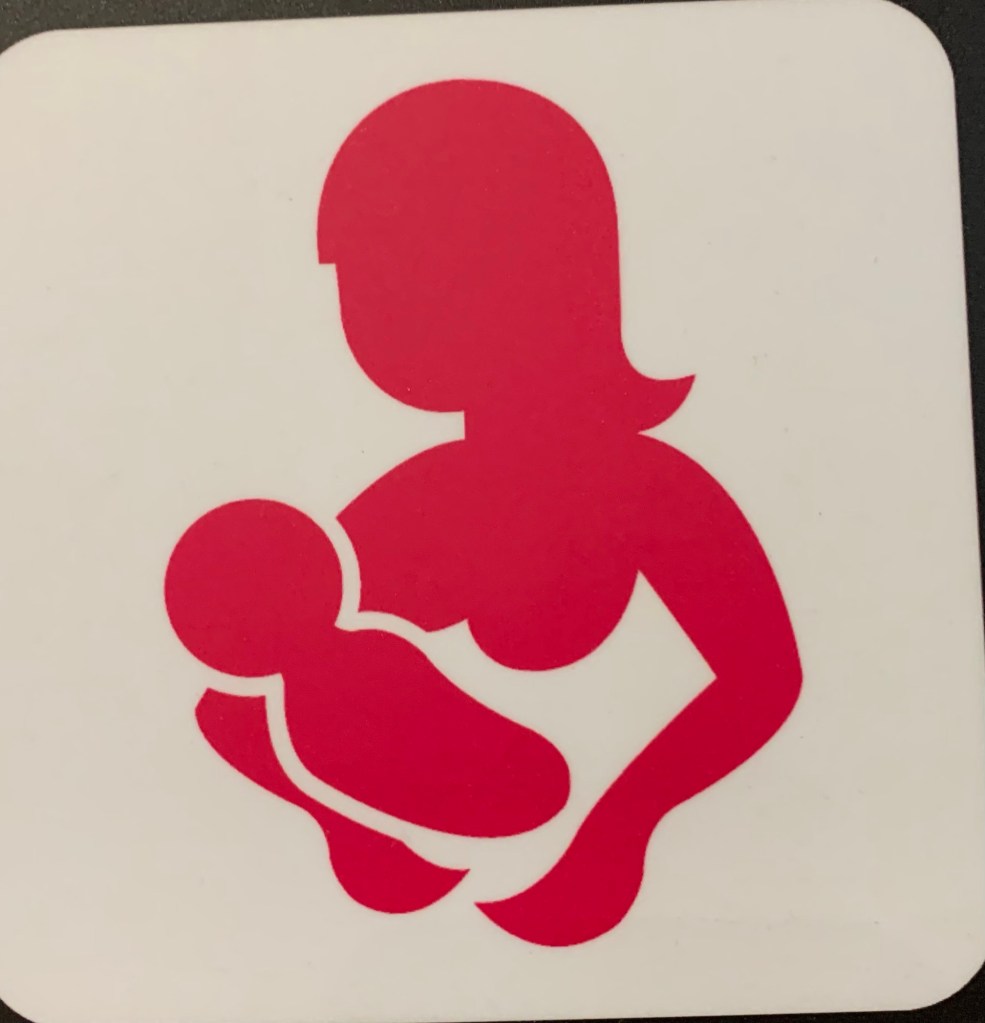
We paid admission and showed our tickets upon entry and, surprisingly, also on exiting the exhibition halls on request. The exhibition hall was too dim for good photos, but I can share excellent well-lit bathroom pictures.
Baby Parking in the Restroom
I was impressed that the restroom for families accommodated mobility-impaired with plenty of room for an attendant. This is usually not the case in the US.
Not just a wide stallMerikin Park, Kobe
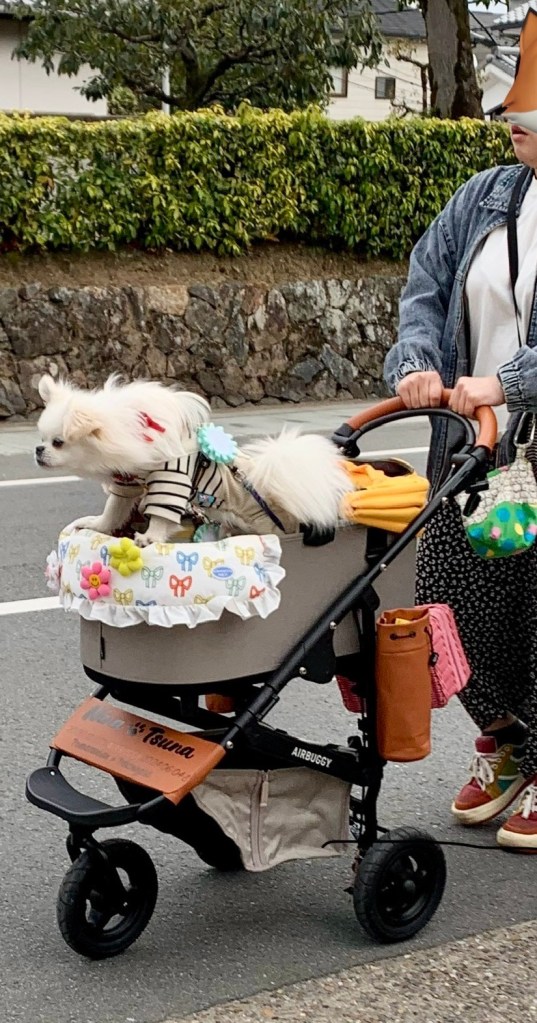
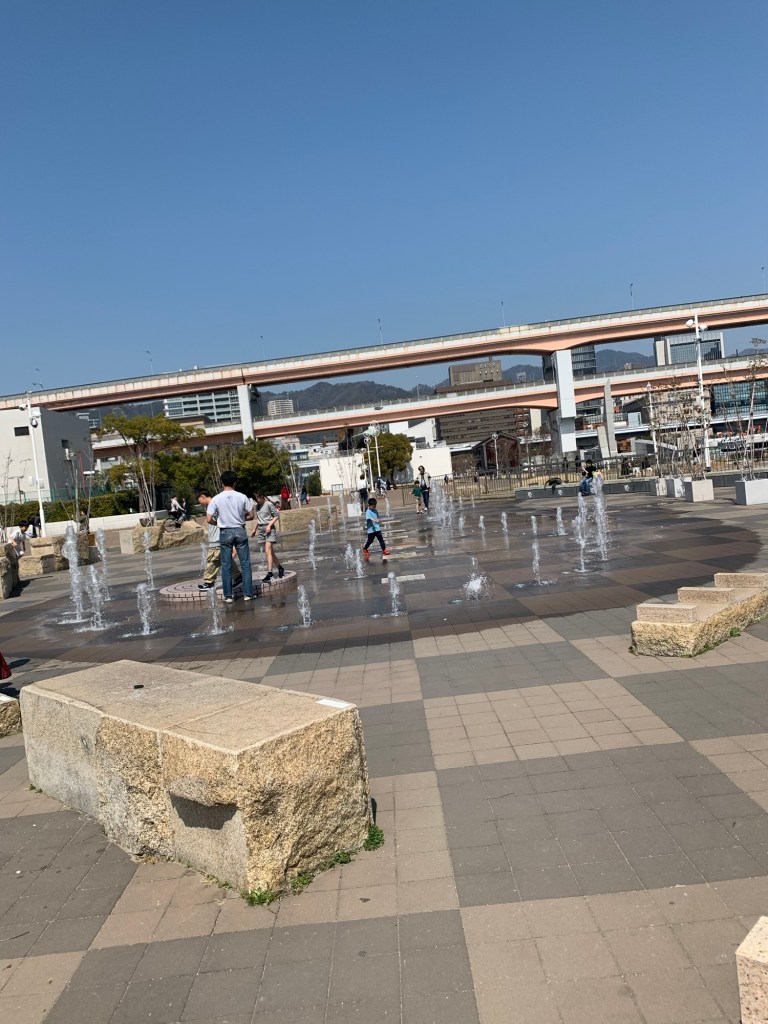
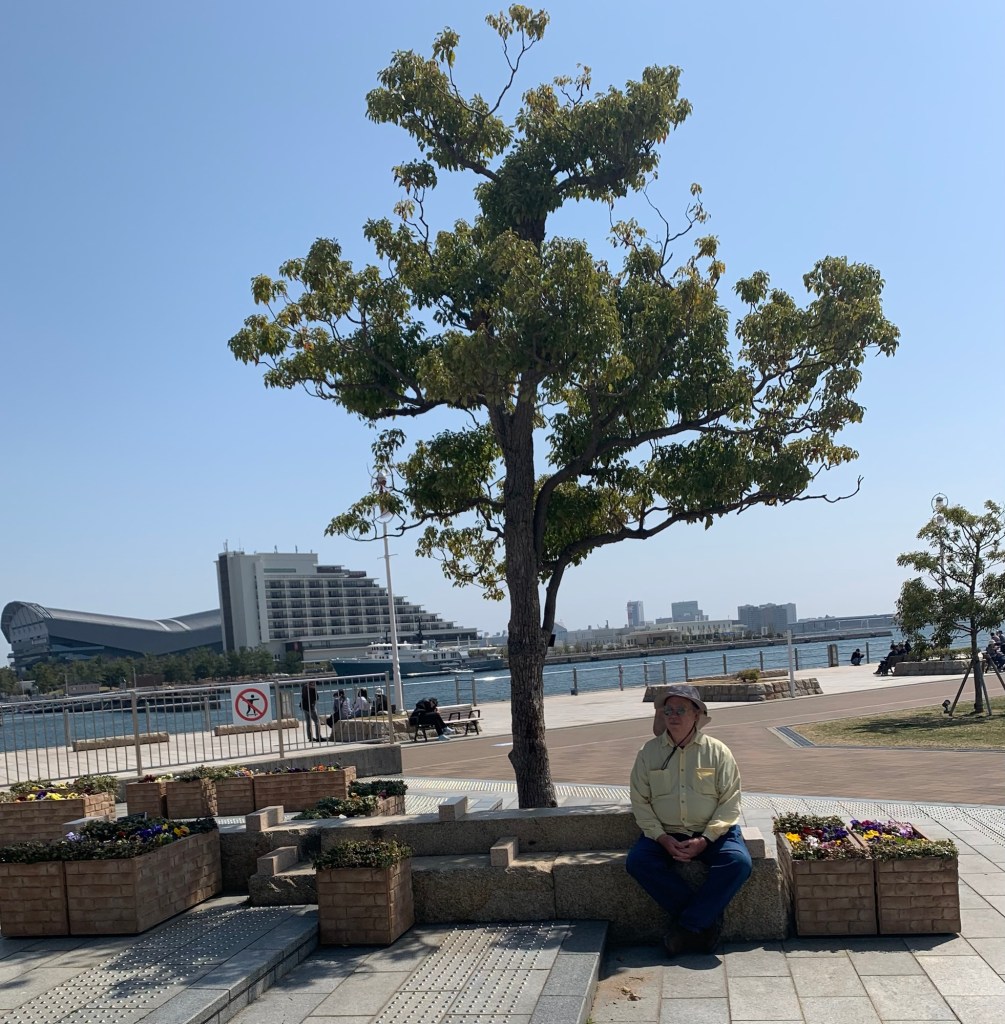
Then we walked to Merikin Park and sat on a bench. We watched the children happily playing in the fountain and enjoyed the fine weather. Young parents played with their kids, instead of directing them to go play and then scrolling on their devices. We saw doggies, prams, and doggies in prams.
We skipped the Maritime Museum because after teen dance teams, children playing in the fountain, and doggies in prams my happiness was complete.
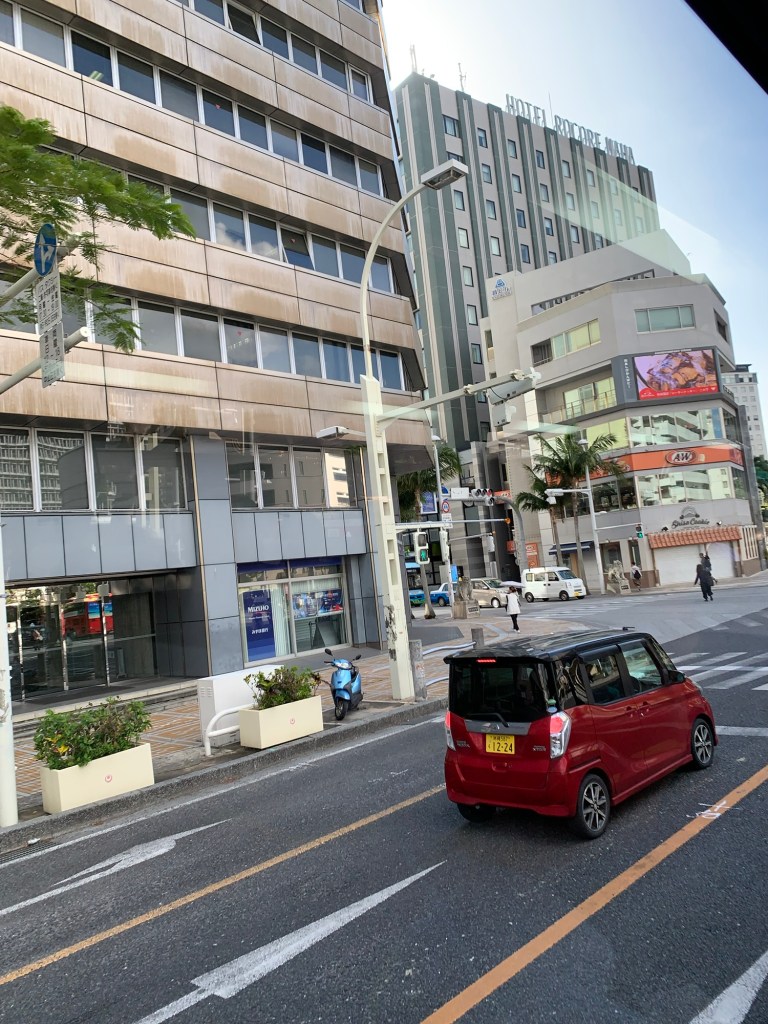
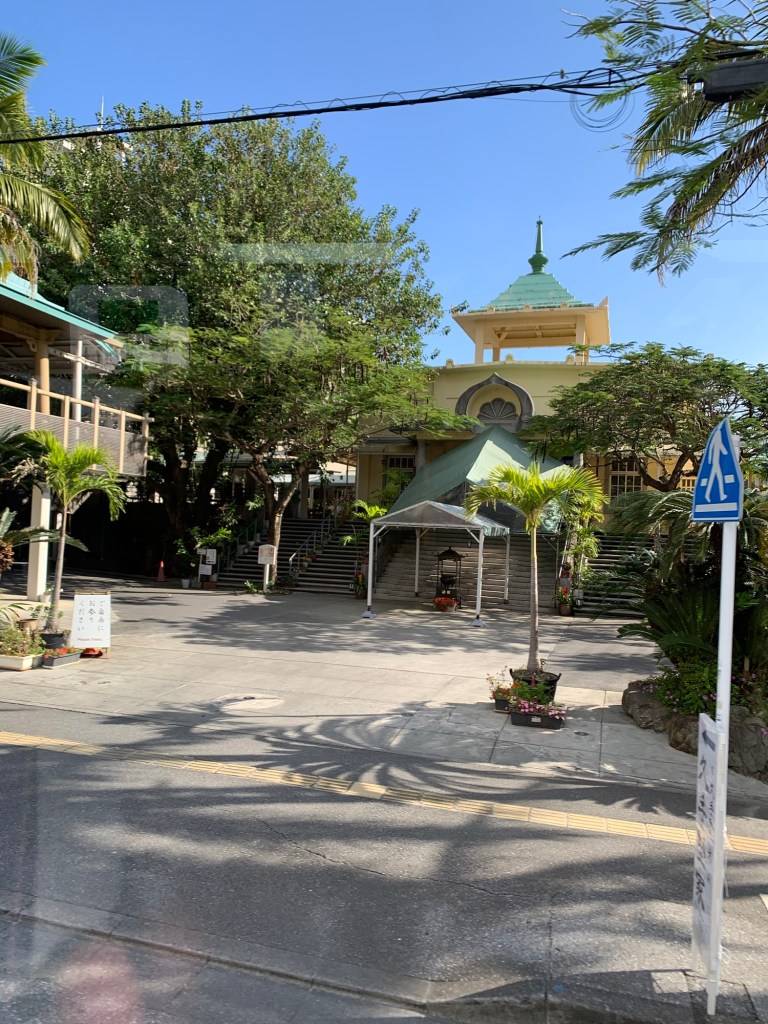
Okinawa is a Blue Zone, where centenarians live productive lives. I look around at the laidback city of Naha and think: a clean LA with better public transport and public toilets. The climate is agreeable, the people are prosperous, health care is free and easily available.
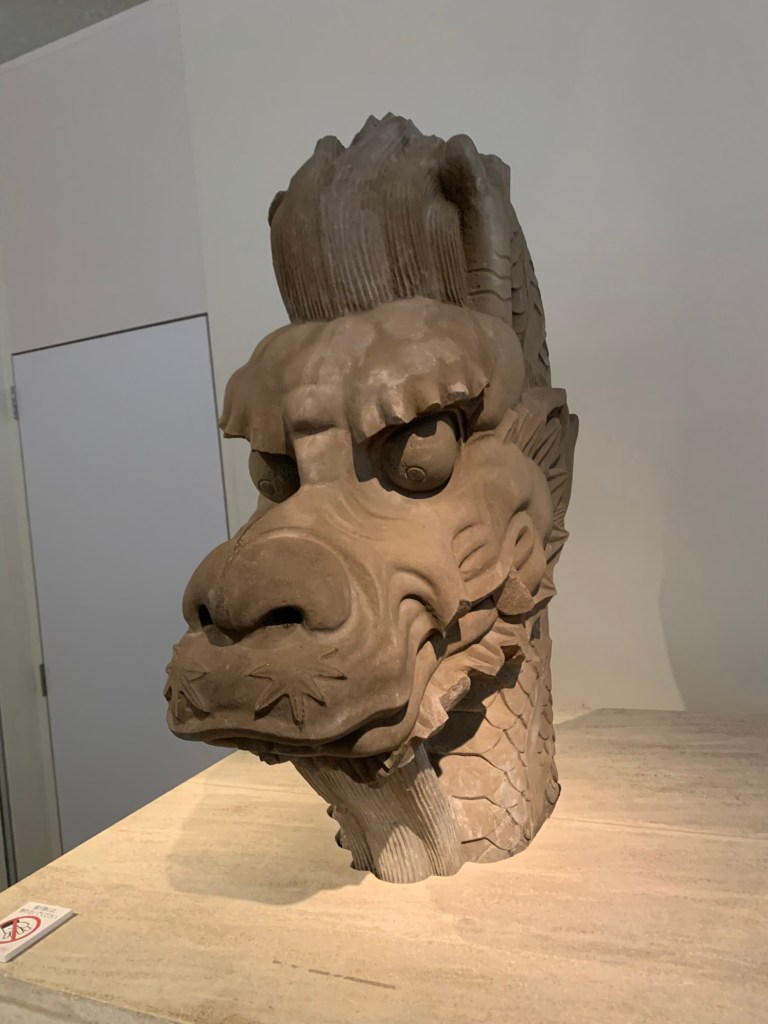
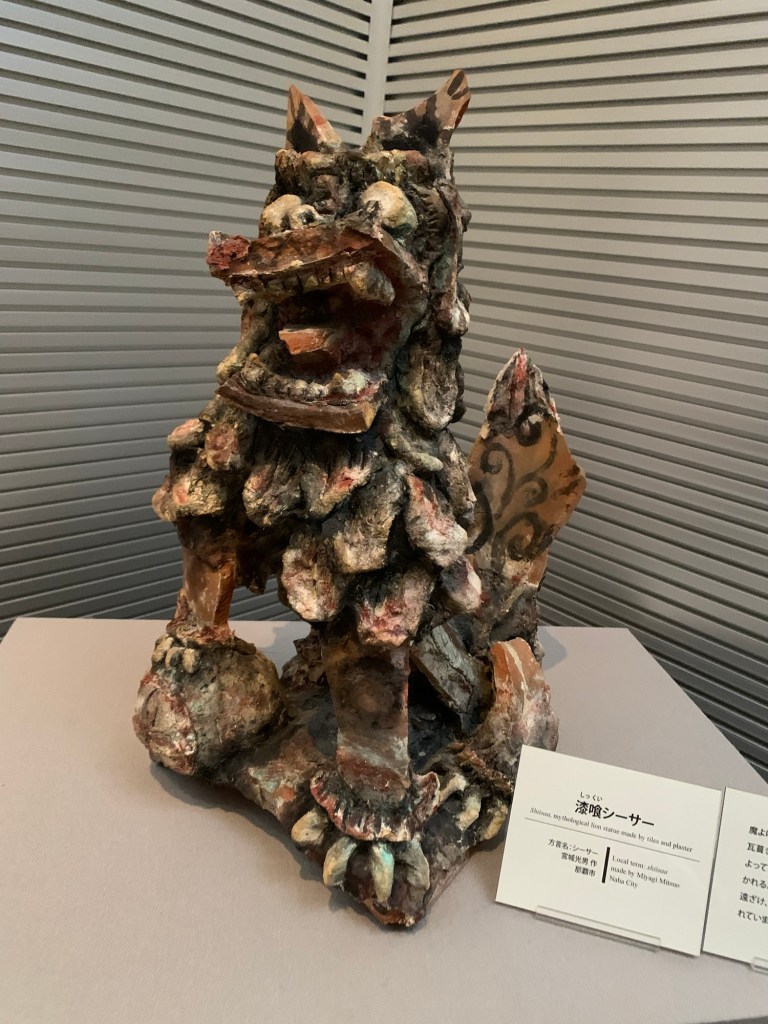
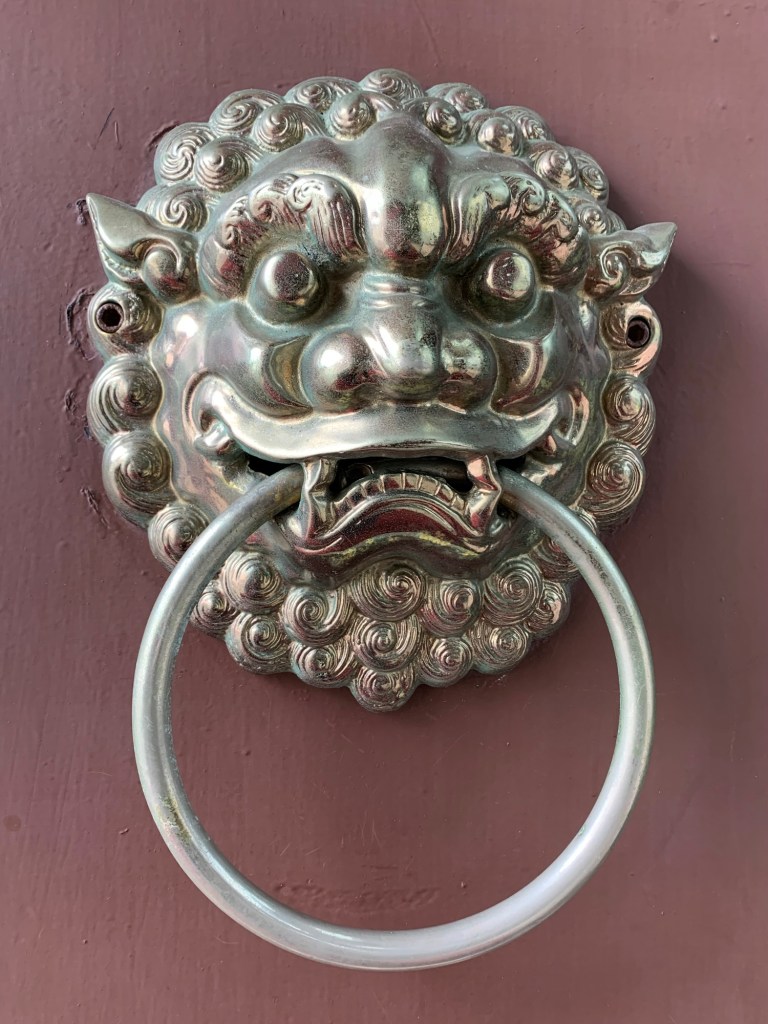
Two Dragons
JG and I visited the Okinawa Museum of History. Cultural history described here ranged from ancient tribal civilizations to artifacts of the Ryukyu. The Ryukyu dynasty governed Okinawa from 1429 — 1879. They paid tribute first to the Chinese Emperor, then after 1606 to the Japanese, yet retained their independence. In 1879 tribute was no longer enough and the Japanese conquered the Ryukyu kings. The Ryukyu traded with Chinese, Korean, and Japanese and developed a distinctive culture of music, mythology, and festivals.
We were introduced to some aspects of the culture, like ancient prayers and Ryukyu music.
Prayers and Offerings
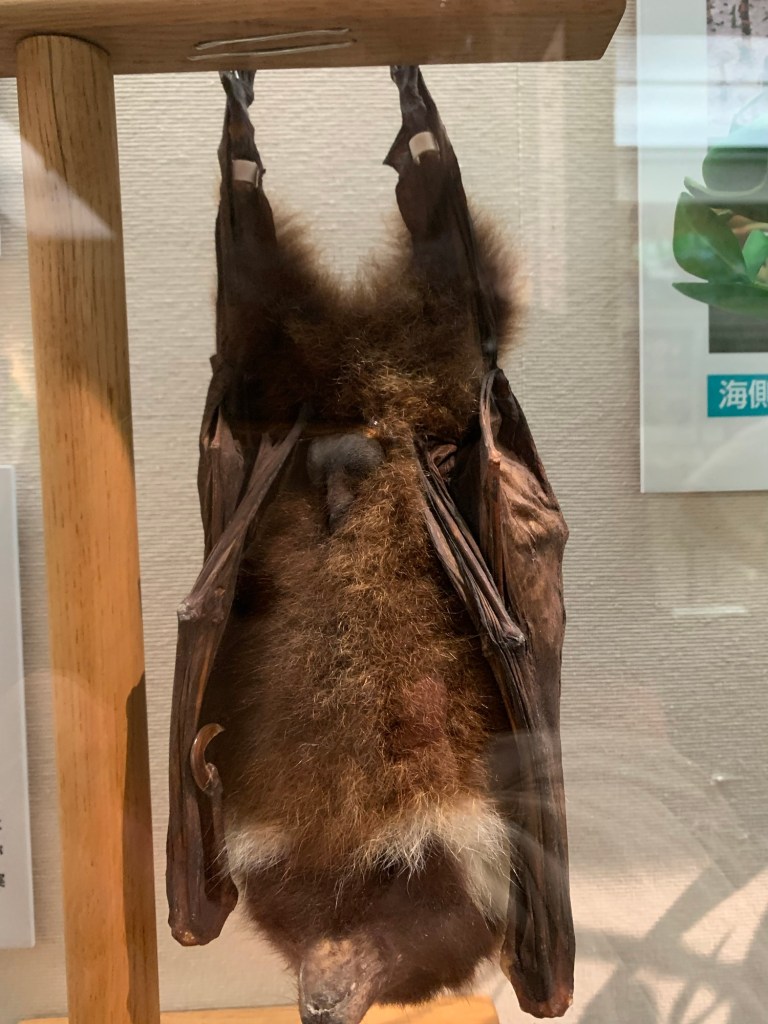
We saw a stuffed bewhiskered bat, local fauna.
I love this culture’s respect for local bats. One hundred people turned out to watch a rehabilitated bat released into the wild.
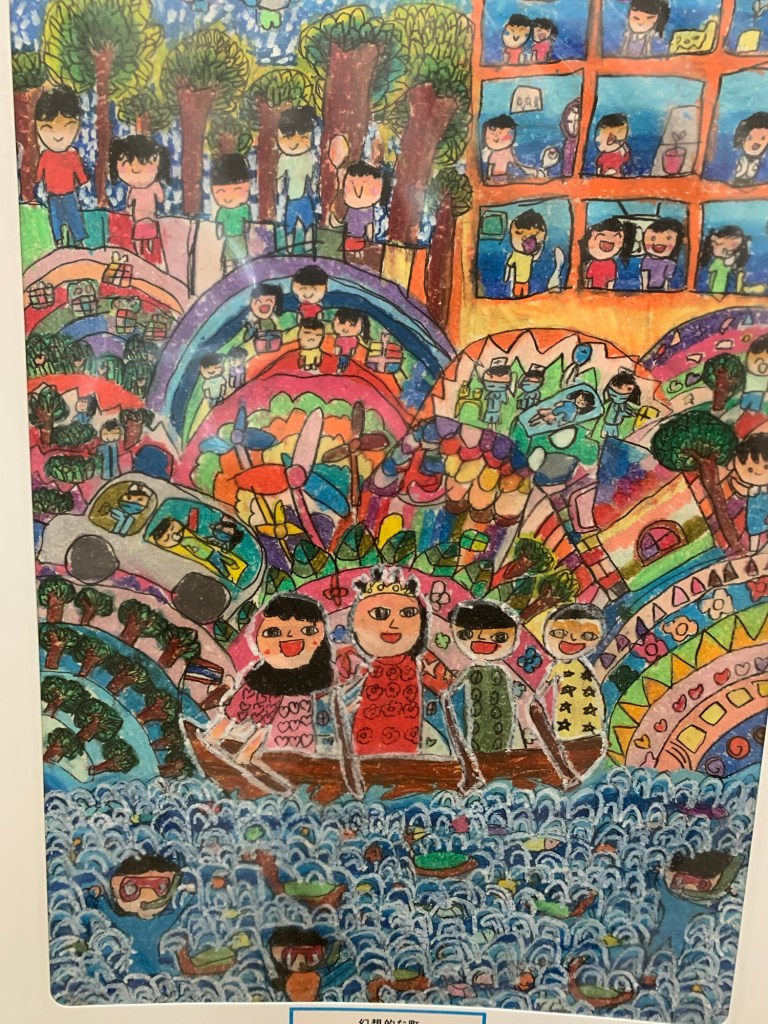
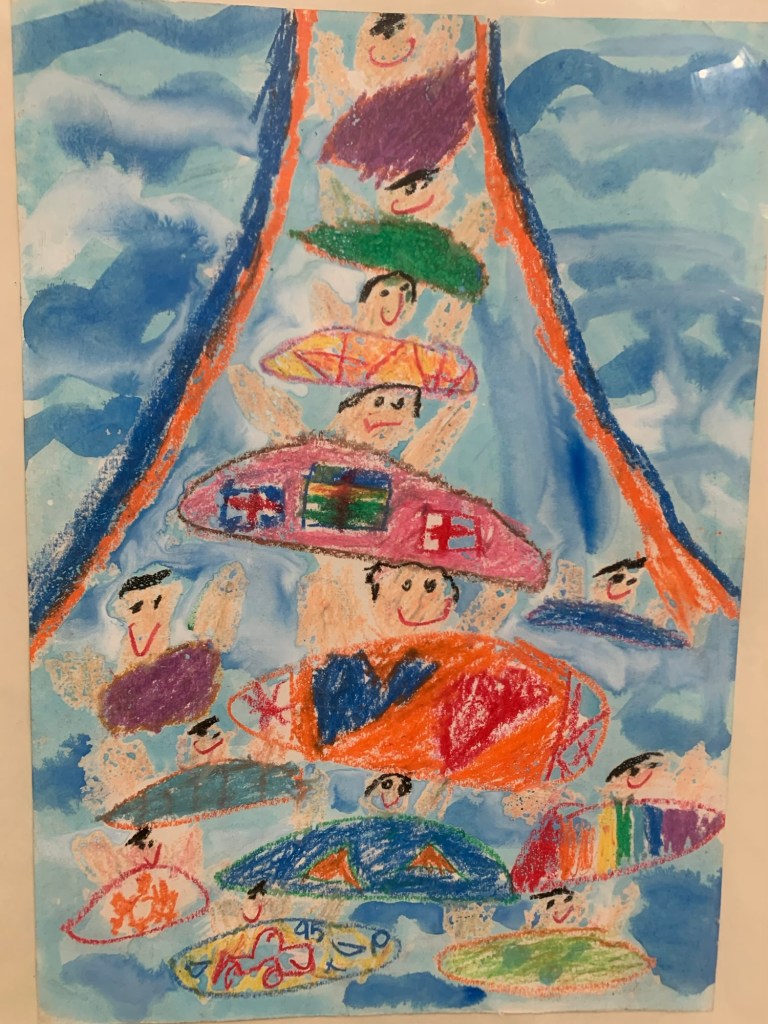
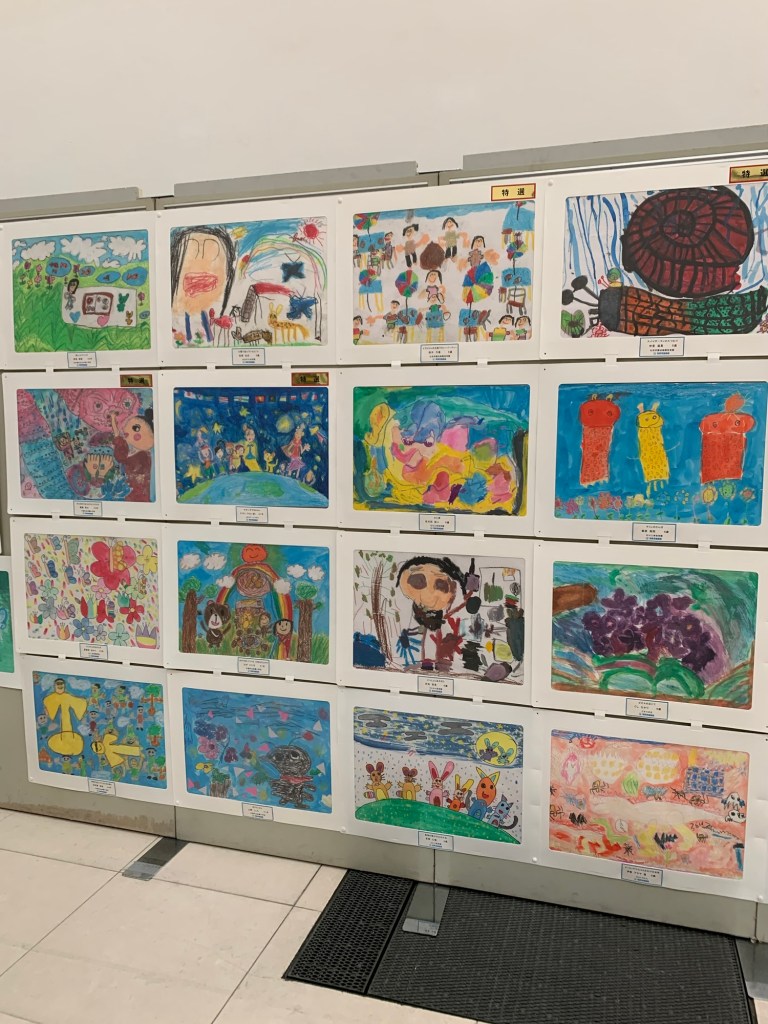
Best of all, I saw fantastic drawings made by local children.
What beautiful, amazing art! What a respectful commitment to teaching children the value of making art! I felt sad that art time in US schools is an afterthought, if it exists at all.
The animated manga type ads on the buildings annoyed JG. He doesn’t want to be advertised to in public.
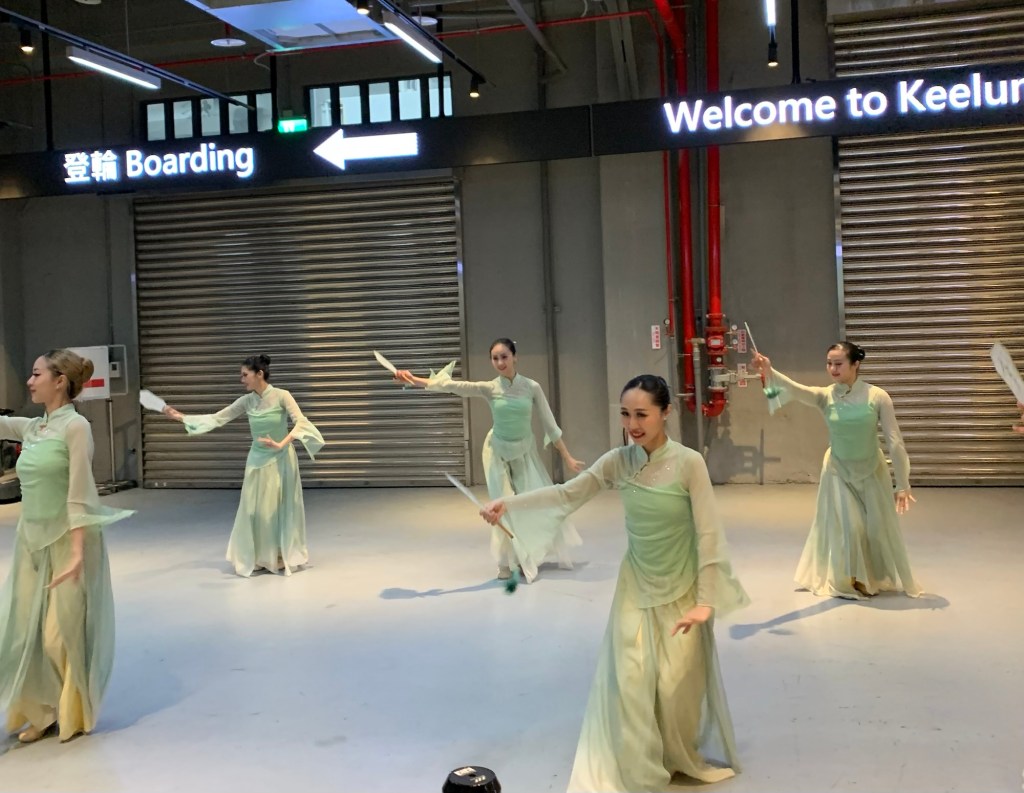
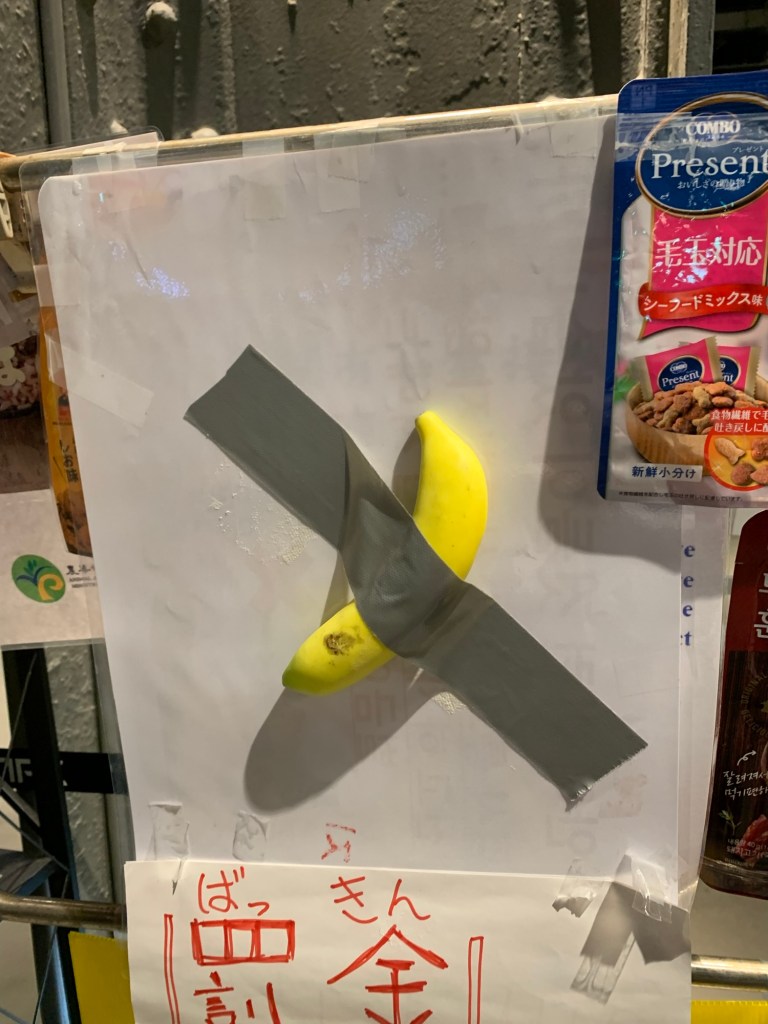
The Port of Keelung hosted us with panache: music, dancing girls and a witty reminder not to bring fruit ashore.
Graceful without ZhuzhNodding to the Fine Arts
We are glad to be in a democracy again. The Republic of China, population 23.1 Million, has almost cornered the semiconductor fabrication industry, with a market share of about 69%. Neighboring PRC doesn’t recognize its sovereignty and has thrice tried to conquer it since 1949. Thanks to Taiwan’s brawny defense, including US$50 Billion of weapons bought from the US as well as US military direct support, PRC has not been able to take over the small but rich Republic of China. In a nationalistic snit, PRC has not allowed the ROC flag or anthem to be displayed at the Olympics. PRC says ROC doesn’t exist and tries to invade it, most recently in 1996 when Clinton and the US Navy defended Taiwan.
Thorough PPE
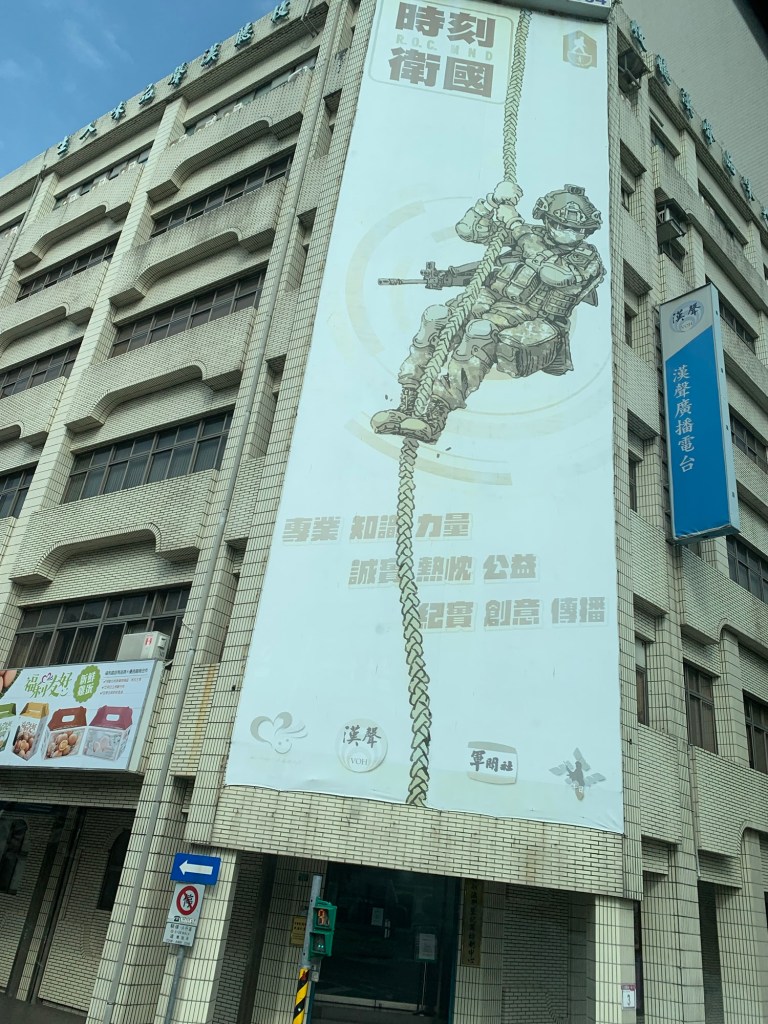
I perceive a more familiar urban scene. Here are hospitals, preschools, and several public libraries. I see the massive US military base. Street signs are in English and Chinese. The traffic signals are observed.
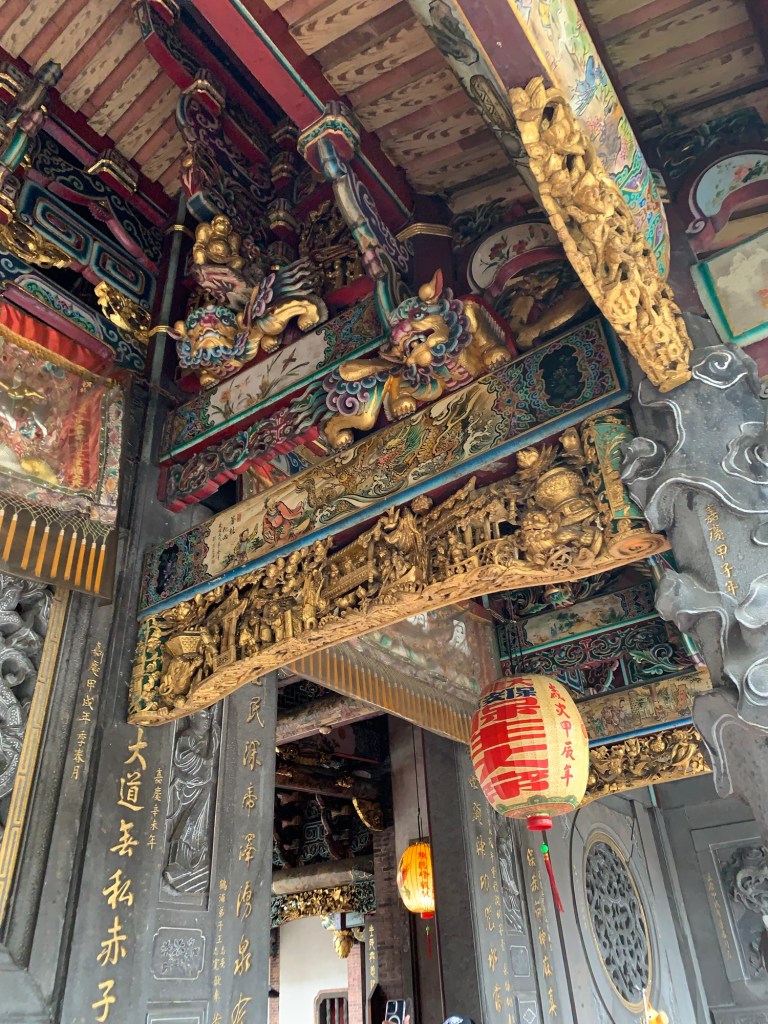
Carved and Painted Ceiling Decor
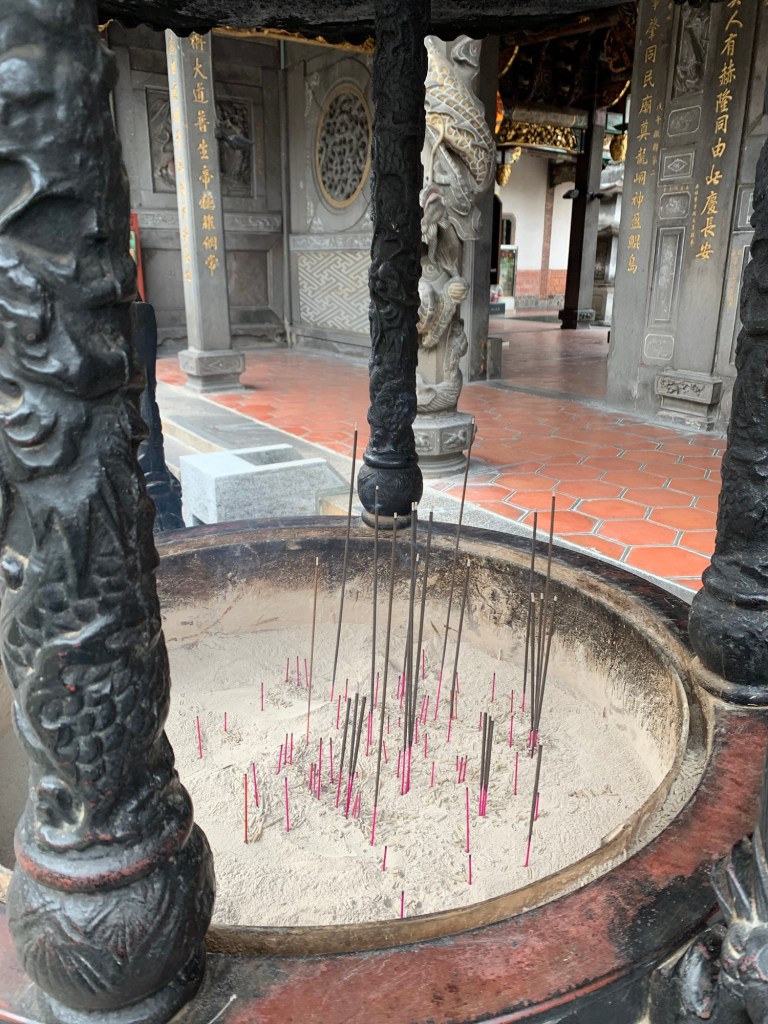
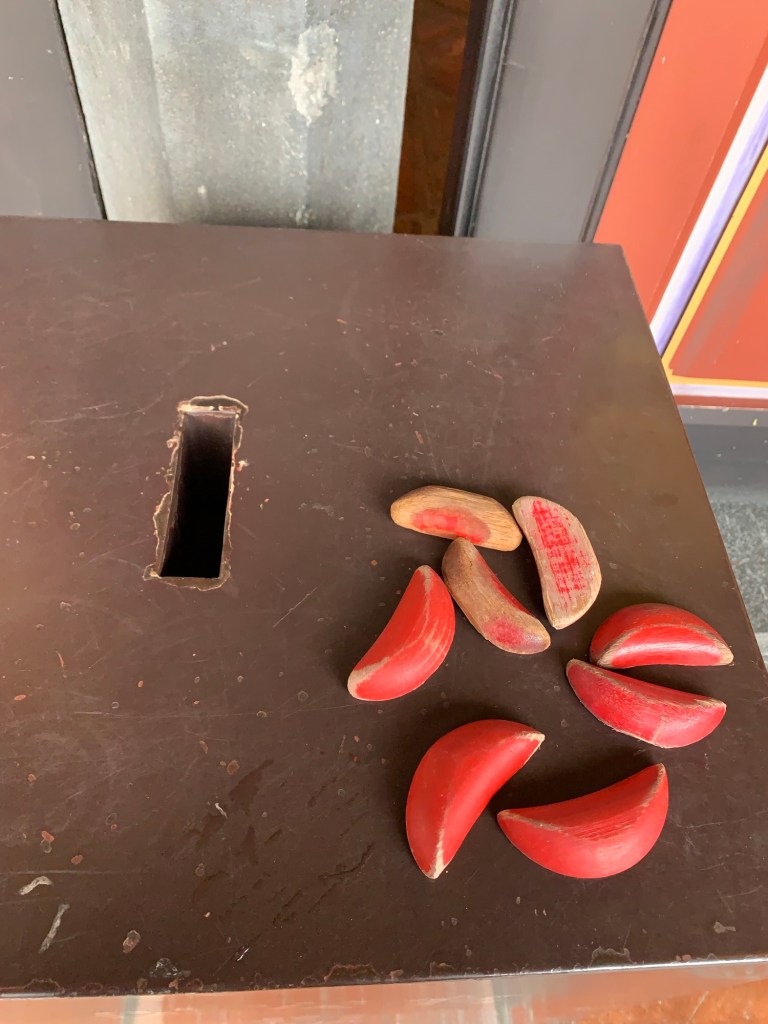
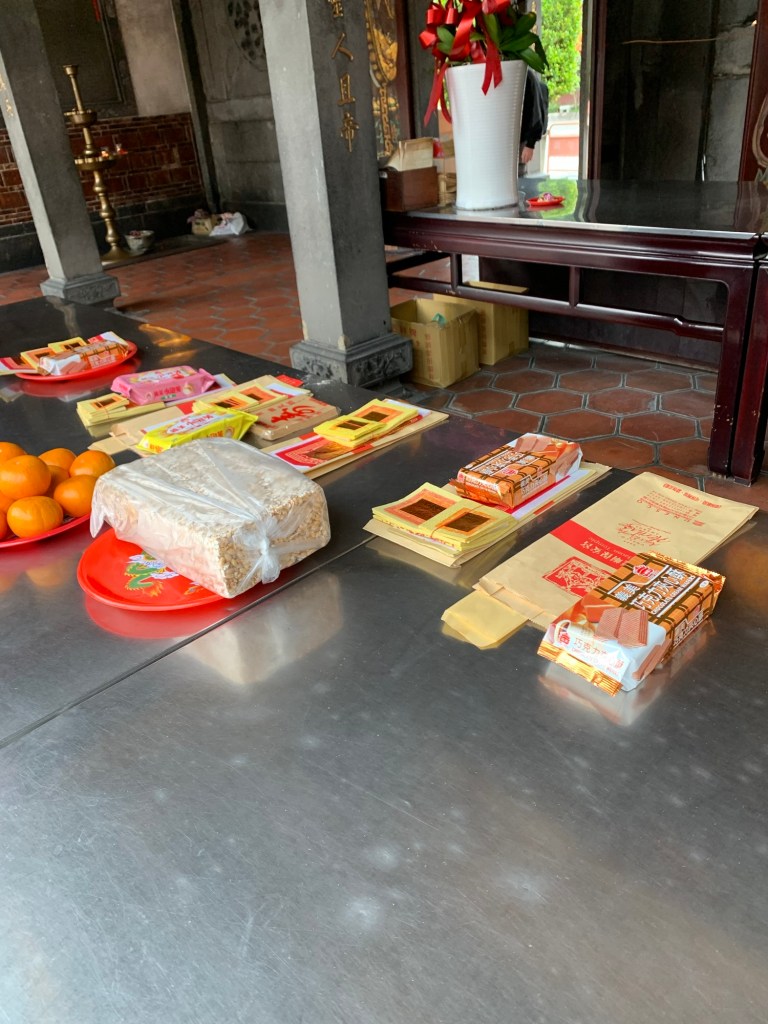
We were mostly ignored in a Confucian Temple. Unless it’s a festival, worship just happens as the supplicant drops by. The supplicant picks up a smooth bean-shaped piece of wood, or incense, or an offering, and holds it between her hands in palm-to-palm prayer position. She bows and prays to an image of a god or to a sacred scripture. When she has finished praying, she drops the prayer-imbued wooden bean into a slot at the Temple. Here are the prayer beans, the incense, and the offering cakes.
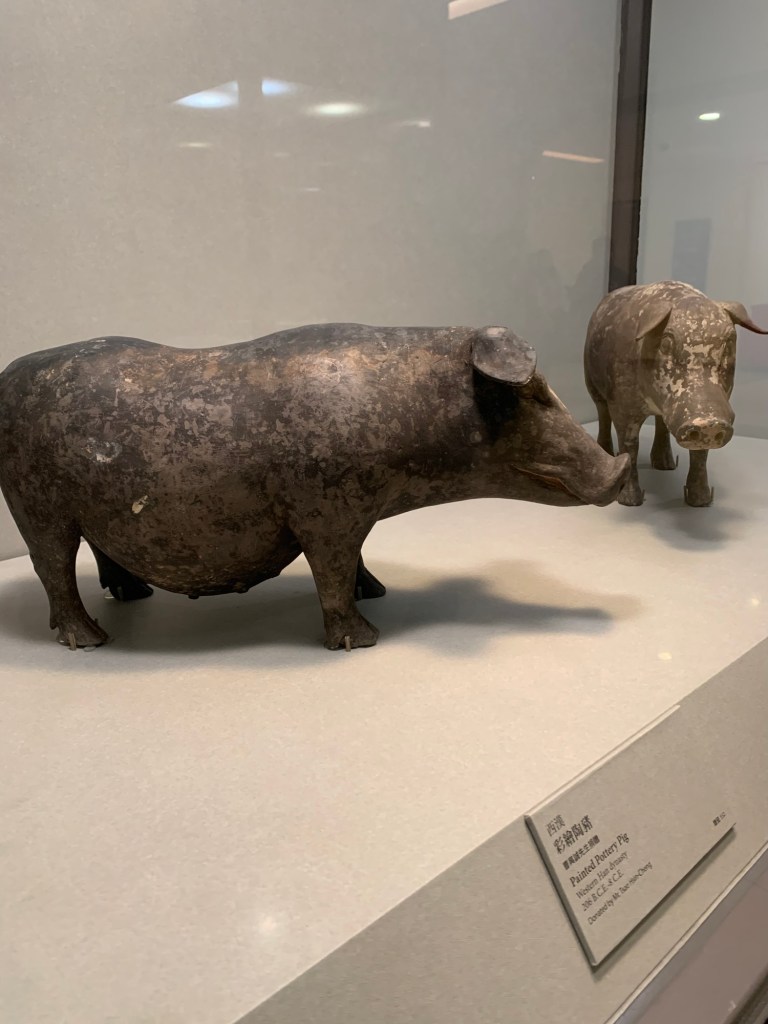
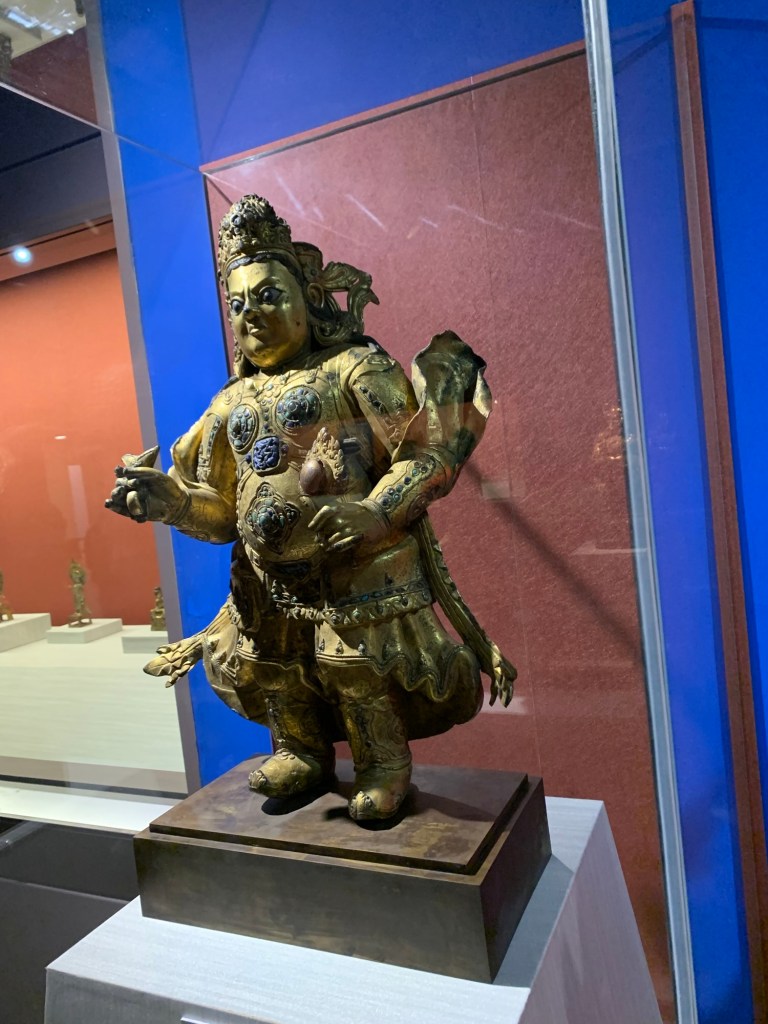
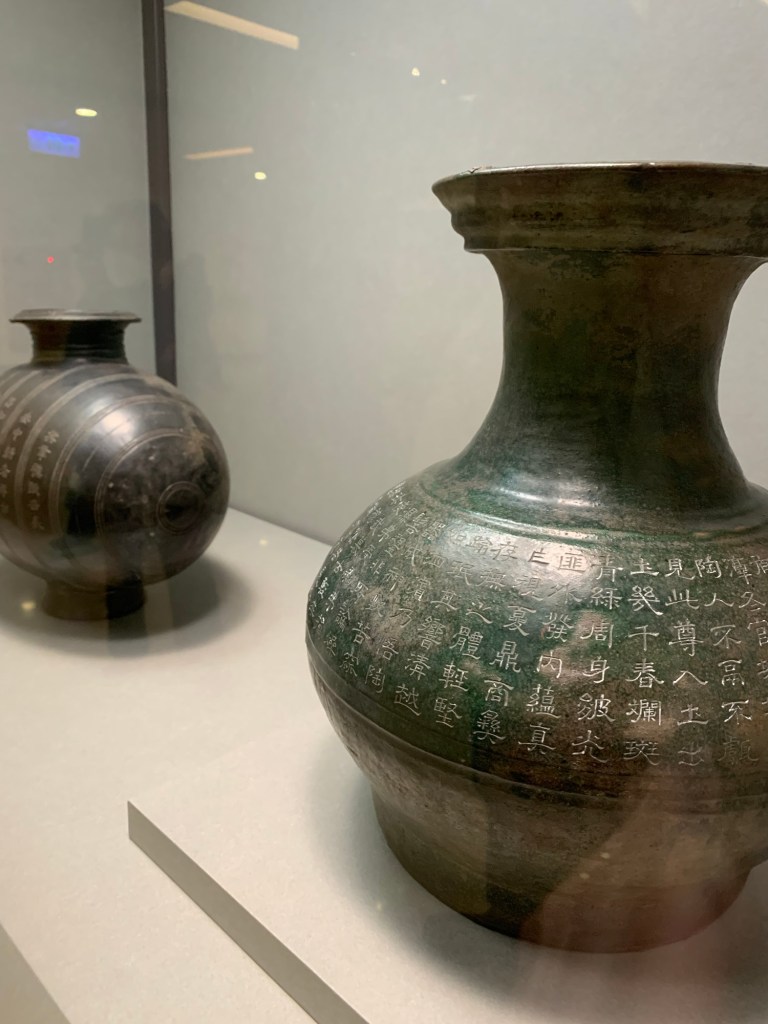
We enjoyed our visit to the National Palace Museum. Beautiful ancient treasures are well-lit and described in English and a Chinese. Dad liked the funerary ceramics and thought of our ceramicist daughters.
I liked the sacred objects and serene Boddhisatvas.
Porcine gifts for the DepartedTibetan Etched Clay Jugs
From about 1100 — 1900 CE, fashionable Chinese women bound their daughters’ feet, toes to heel, breaking the foot bones of the arch so the girls would have fashionable lotus-shaped feet. The pain, disfigurement and disability is nightmarishly horrendous. I would not even pierce my baby girls’ ears.
Lotus shoes, normal woman’s footprint
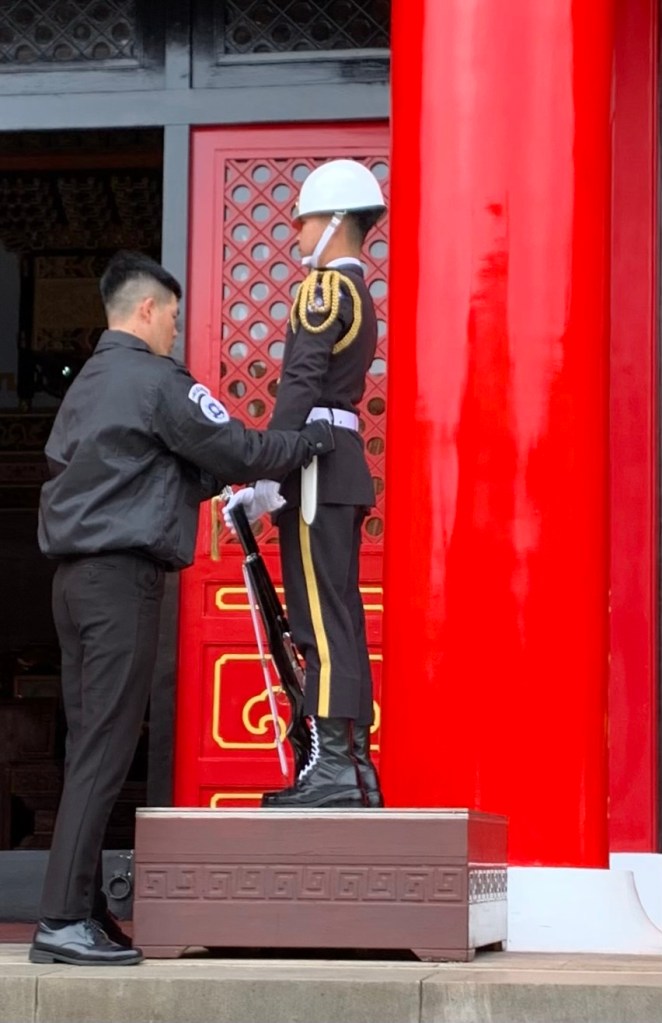
We saw the memorial Martyrs’ Shrine. It featured an Honor Guard whose job it was to stand at attention.
The Martyrs died in fights against the Qing, defeated in 1911, and against the Japanese 1937-1945, and in the Chinese Civil War, 1945-1949. Mao Tse Tung’s army overthrew Chiang Kai Shek’s. In defeat he then fled the Mainland for Taiwan. We found the Taiwanese retelling of history left out many unpleasant parts to preserve the glory and unity of China. Sometimes funeral services are held here.
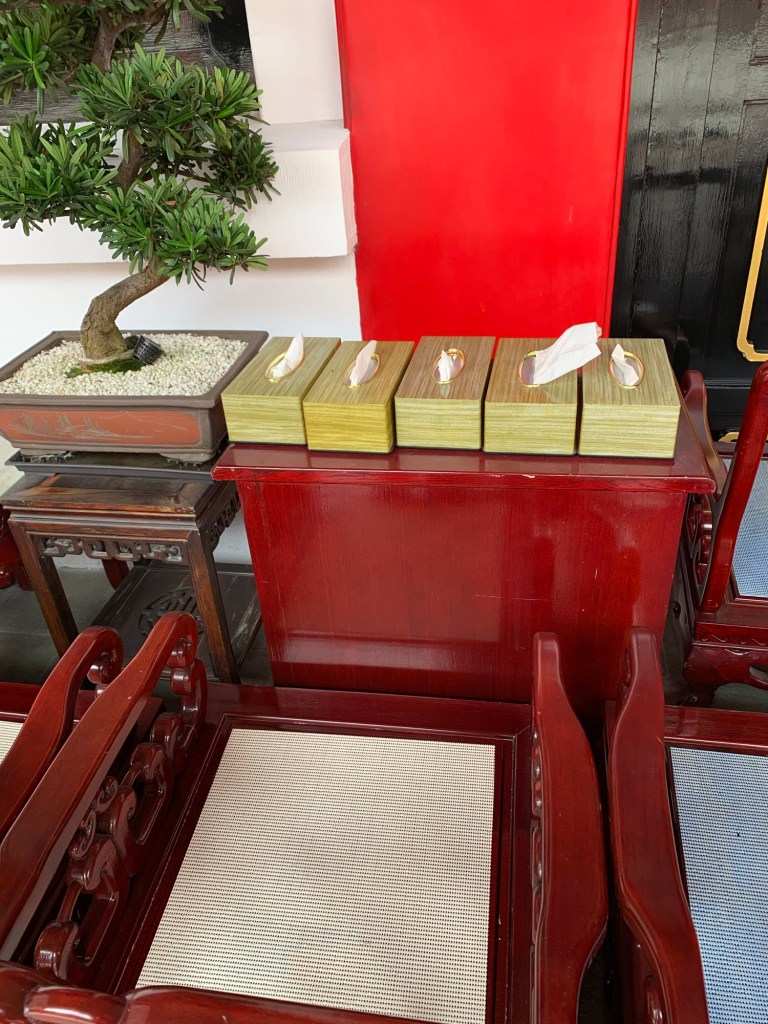
Kleenex For the Weepers
I like the emblem of Taipei police: a dove, symbolizing peace.
On the Police Car
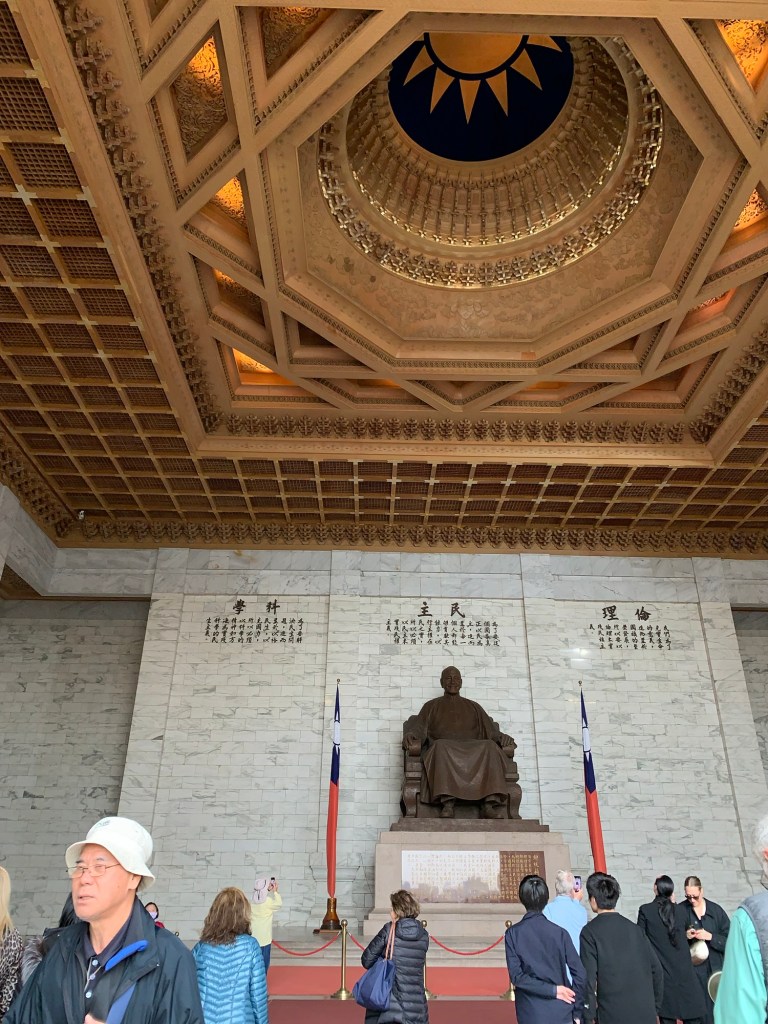
Finally we dropped by the National Chiang Kai Shek Memorial. The statue of the Great Unifier sits in splendor under a carved coffered ceiling of Incense Cedar. JG says his pose is like the Lincoln Memorial. As if I didn’t already have enough to be embarrassed about as an American, I overheard a countryman ask a guide, “who is that?”
National Chiang Kai Shek Memorial
For those of us who appreciate convenient public restrooms, Taipei makes a splash with both standard and squat toilets.
I was bowled over by the Rolls Royce of toilets, courtesy of the Taipei Grand Hotel (1979). It is self-sanitizing, sporting a heated seat and an adjustable shower spray.
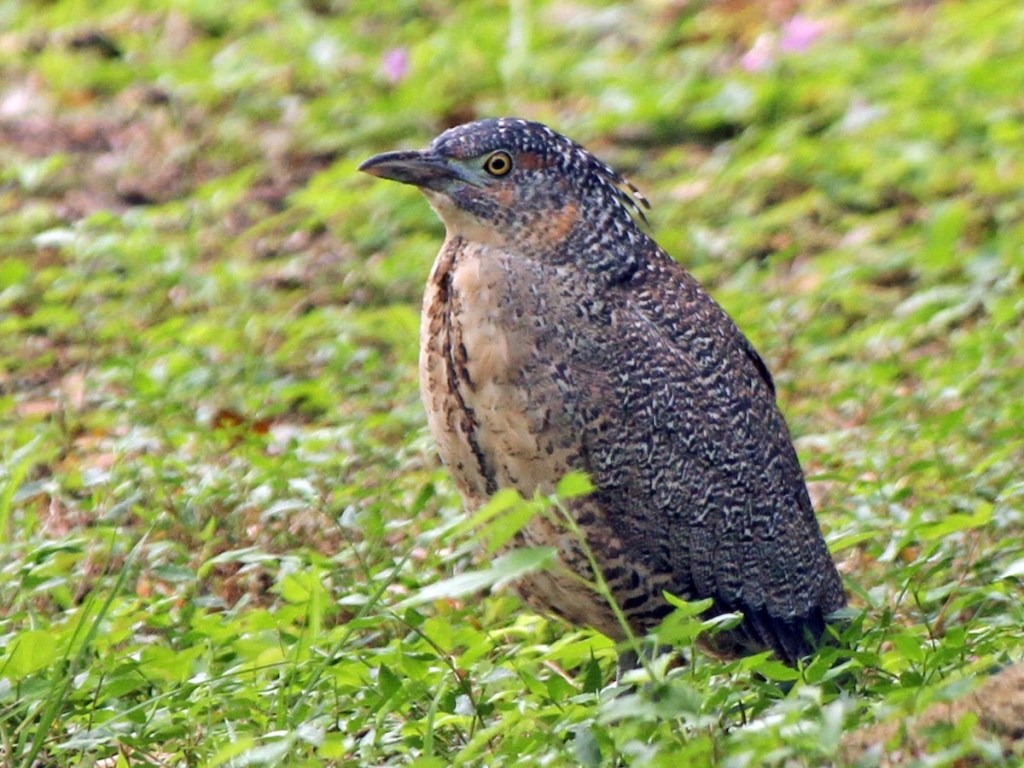
Finally a wildlife sighting! We saw a Malayan Night Heron in the park surrounding Chiang Kai Shek’s Monument.
The city’s most prominent pro-democracy politicians had been jailed, left the city, or quit politics.
Hitler built the Autobahn, made the trains run on time, and ended unemployment. People mention these to say there are positive attributes to totalitarian government. After visiting the fourth nation in a row without free elections, I’m at a loss to chirpily describe the tourist attractions. Dystopia lurks beneath the skyscrapers. Today I read online that the stepfather of a noted dissident hiding abroad has been arrested for questioning about his stepson. The message is: even if you escape the country, we will come for your family.
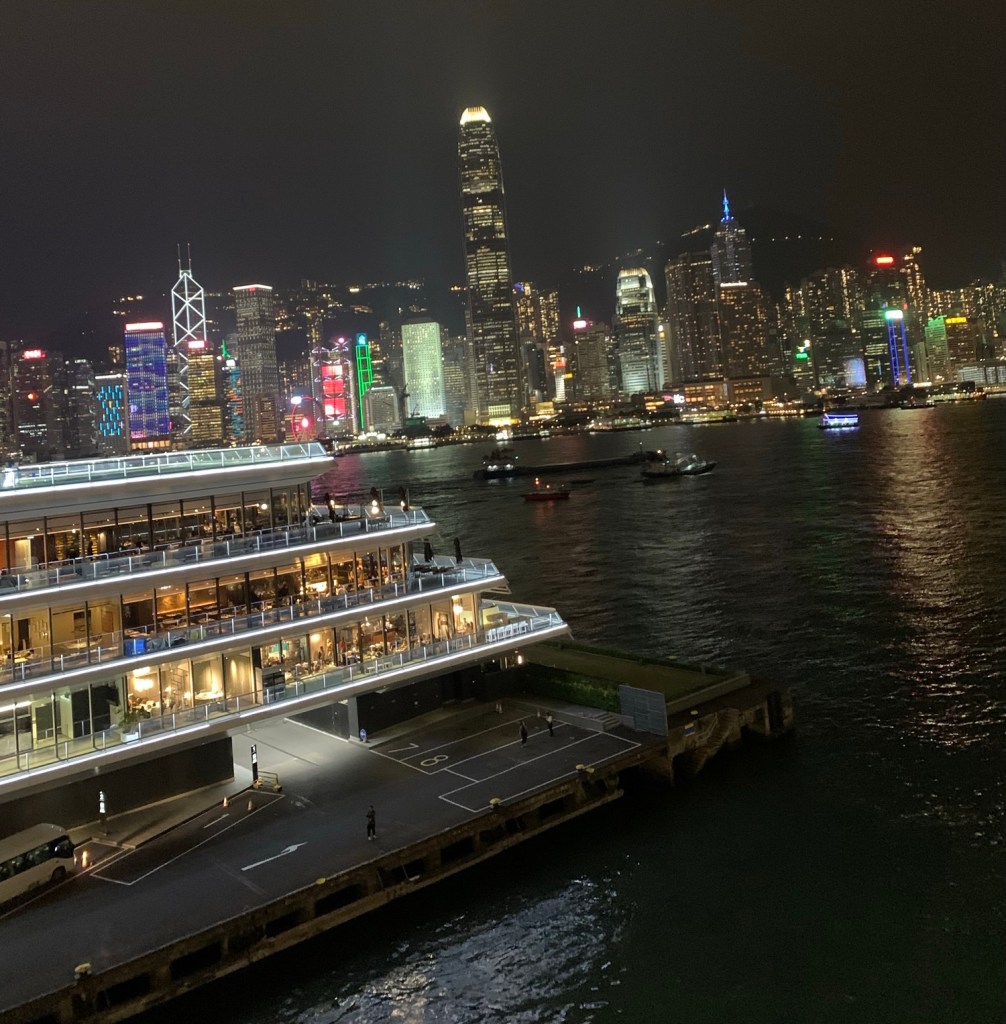
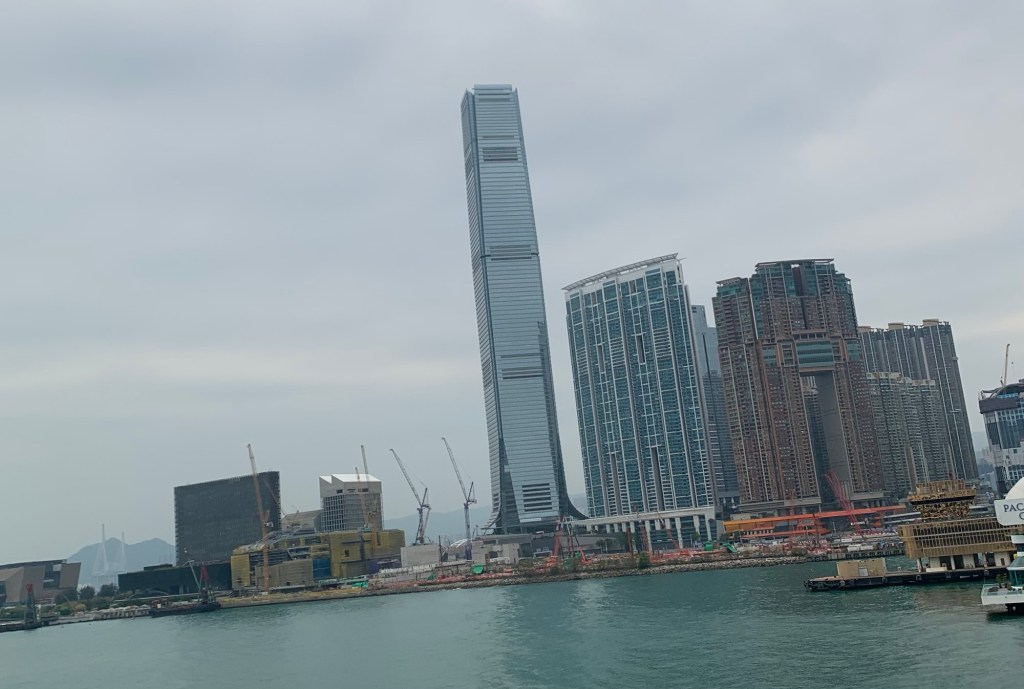
We stayed two days in H—- K—-, a beautiful port city at the mouth of the Pearl River. Ten years ago, we went sightseeing to the islands, the markets, the tramway, and the history museum. We have changed and so has this city. The umbrella protests, a brawl in the local council over democracy, mass migration from H—— K—— to the West and mass migration from PRC to H—- K—- have altered the city. In these ten years, this city lost and gained about 1% of its population annually, about 68,000. “One Country, Two Systems” has expired. See https://ash.harvard.edu/wp-content/uploads/2024/02/overholt_hong_kong_paper_final.pdf We had delved into local history at the wonderful “Story of H—- K—-“ exhibit at the Museum of History. It has been closed for over five years. Now the museum offers a huge exhibit on the importance of national security. Will they expunge the role of the British in toppling the Qing dynasty in 1911 and leave it just to the Kuo Min Tang and Sun Yat-Sen?
It is not illegal to own a Bible here, but it is illegal to sell or distribute them. Reminds me of the old marijuana laws: personal use is tolerated, but pushers will be prosecuted.
JG and I took a rapid elevator to the 100 floor high viewing platform of the “Sky 100.”
Center: Sky 100
We ate Peking duck and sea blubber jellyfish at a restaurant. We noticed the streets were clean and traffic signals observed.
We were happy we’d found each other because neither of us wanted any luxury goods. I have a higher tolerance for shopping, while JG actively avoids malls and stores except grocery and hardware stores. He was queasy just passing through the Harbour City Mall. We took a wrong turn in the cavernous shopping mall and ended up at a Toys-R-Us, not out of business here.
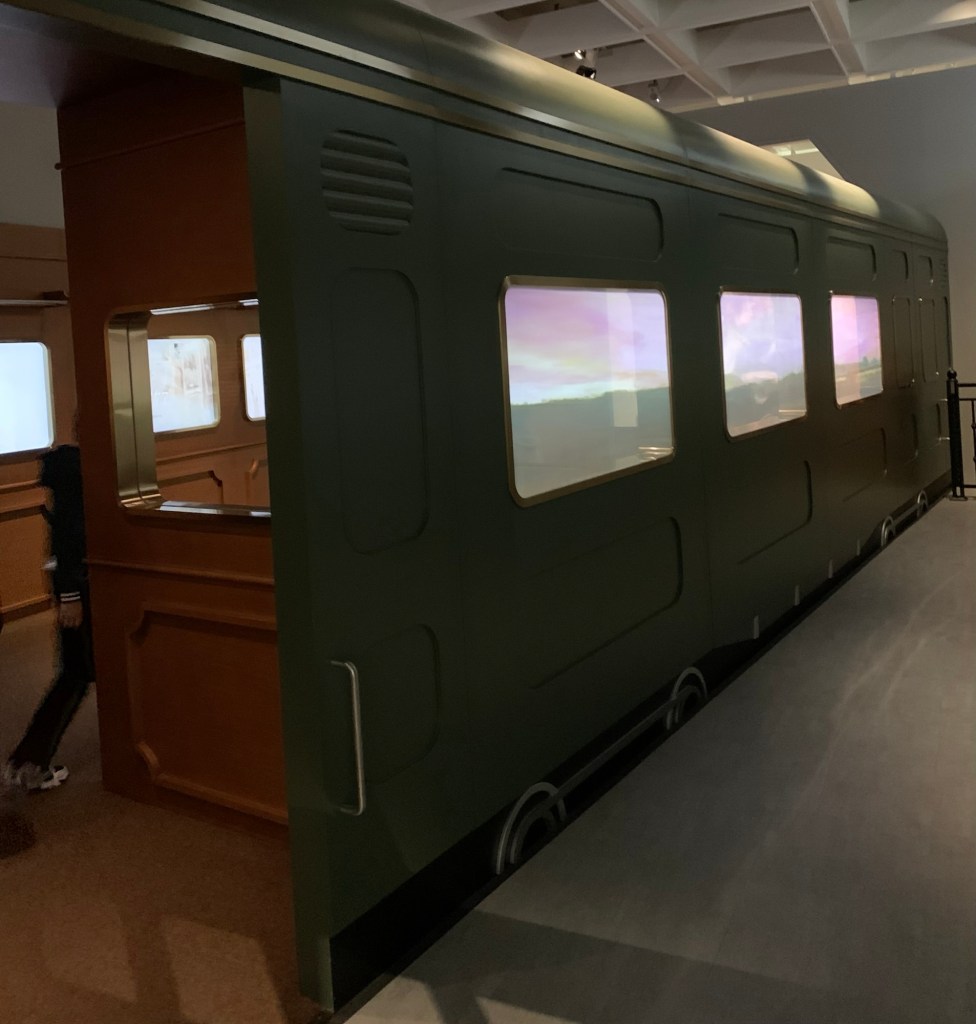
We saw an exhibit on the friendship between Cezanne and Renoir at the local art museum. It sounds wonderful to be friends with someone who lives close by and shares your interests. The two friends painted together, sometimes en plein air, out on the open. JG praises the technical innovation of squeezable metal paint tubes, which made plein air painting possible. The exhibit features a modified train coach. As we sit in the bench seats, the landscapes racing by out the window are computer animations of Cezanne landscapes. Looking out the train window emphasizes the subjective, fleeting moment captured by the Impressionist painter.
Landscapes in the windows
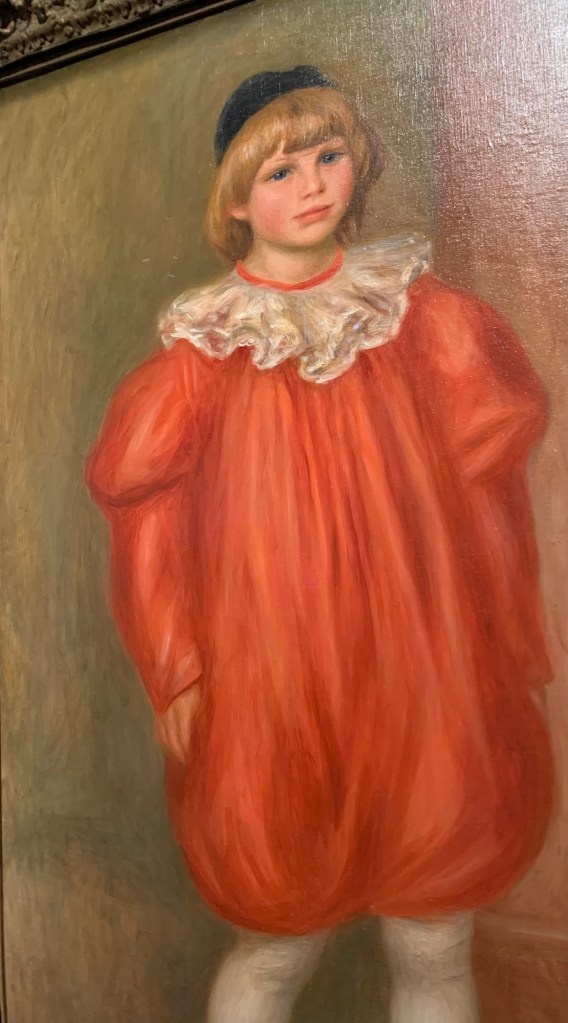
Renoir painted his son, who reminded me of someone dear to me.
Oh Please, Dad!
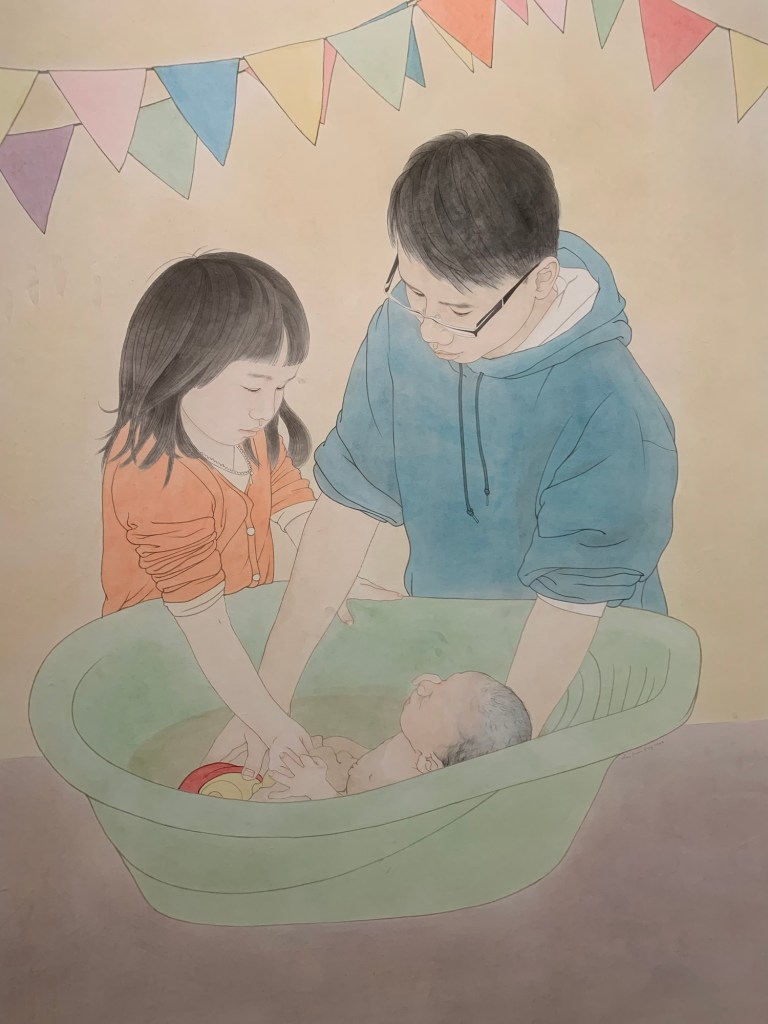
I also liked an exhibit of a contemporary Chinese artist who paints her family.
Relatable Moment
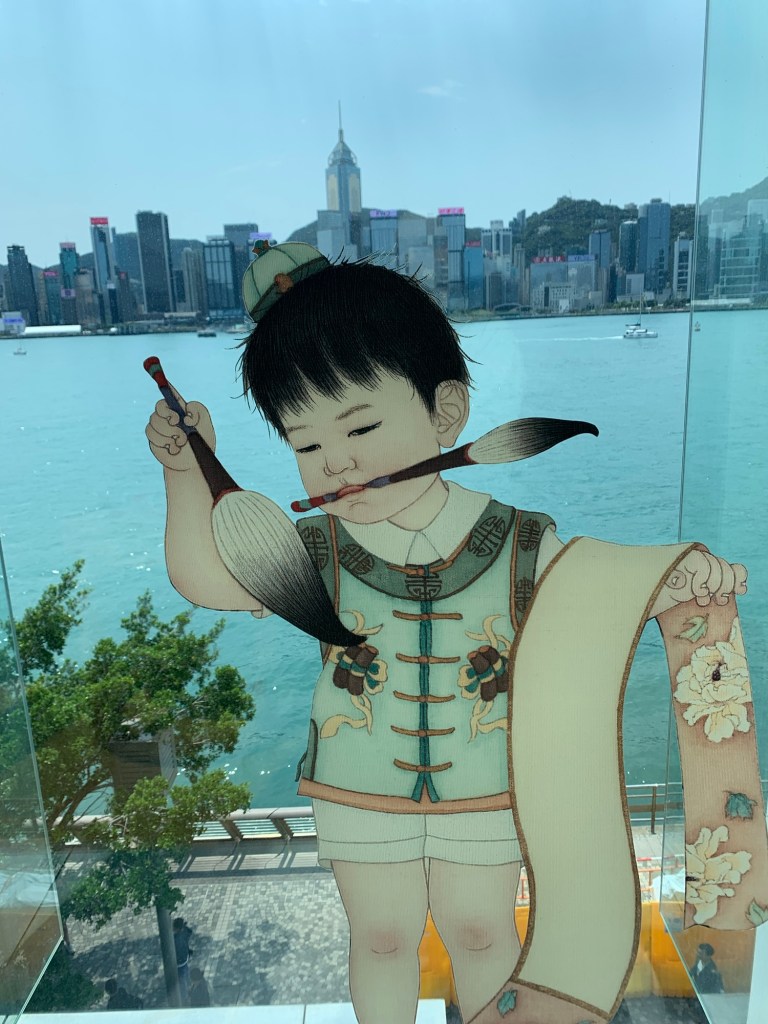
And children were praised for being virtuous.
Computer- designed copy on window overlooking Victoria Harbour
And we enjoyed an exhibit on trade in Canton in the 18-19th centuries. I learned the origin of Pidgin English. The Qing Emperors forbade the speaking of English by Chinese tradesmen. Only through state-sponsored linguists could the Chinese communicate with the foreigners. Some started breaking the rule by means of a translation chapbook. English words and phrases were spelled out in Chinese script, called Han Zi, the characters in this post’s title. There is no R or L. So “little” and “writer” might both be said as “widow.” Because spoken Chinese words don’t end in consonants, Pidgin English adds vowels or drops the ending. Lookee! No tickee. No washee!
Renoir Flowers
Another story about bargaining: Ke is Chinese and an officer on the ship. She helped a guest bargain down the price of a “Rolex” at the Ladies Market. The seller wanted US$180 (Amazon Price US$199) for the knock off and, thanks to Ke haggling in Cantonese, ended up accepting US$90, all the money the guest had on him. Ke related how happy everyone was with this purchase, but I’m still judgmental.
I like the H— K—- history of success in Entrepôt Trade. They welcomed, collected, stored, traded, and dispatched wares from the Far East. They needed good laws and language skills. Small scale free market capitalism prevailed. A rising tide could indeed lift all boats, although maybe the British boats were lifted more.
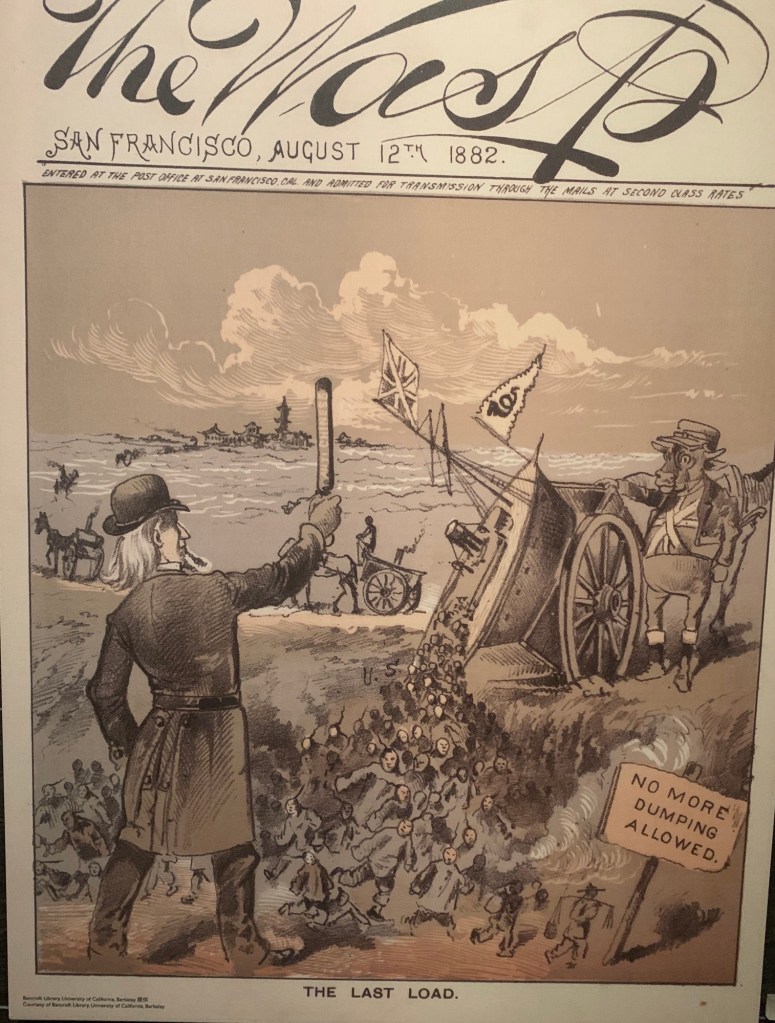
California has benefited from the migration of Chinese. Chinese helped build the railroads, did the laundry, worked in fields, fished, cooked, and mined. Santa Cruz, San Jose, Sacramento, and especially San Francisco had thriving Chinatowns. Although the Chinese Exclusion Act of 1882 forbade Chinese migrants, many had already settled in California.
In 1943 the Act was repealed to deny Japanese propaganda that might weaken the US-China alliance. Then more Chinese came to California to escape from the Communists. The Chinese-Americans I know work and study hard and they vote.
Having limited enthusiasm for the pleasures of third world urban centers, I booked myself a river trip to a nature reserve in the Mekong Delta. It promised mangroves, crocodiles, and fruit bats. Also lunch.
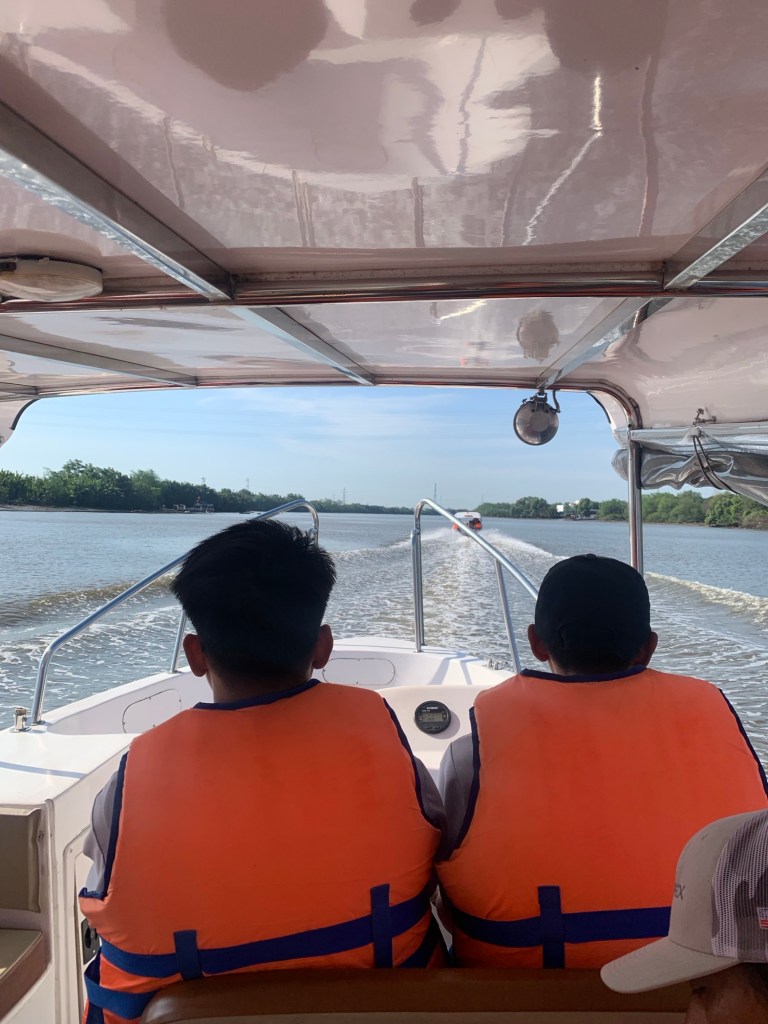
The tour started in the Saigon River ship channel a kilometer from our cruise ship’s dock. Eight of us intrepid tourists hopped into a boat powered by a 200 horsepower Yamaha outboard and roared down the river and up the Song Sai Gon Canal, built by the French in 1862, at perhaps 30 knots.
Speeding up the Saigon River
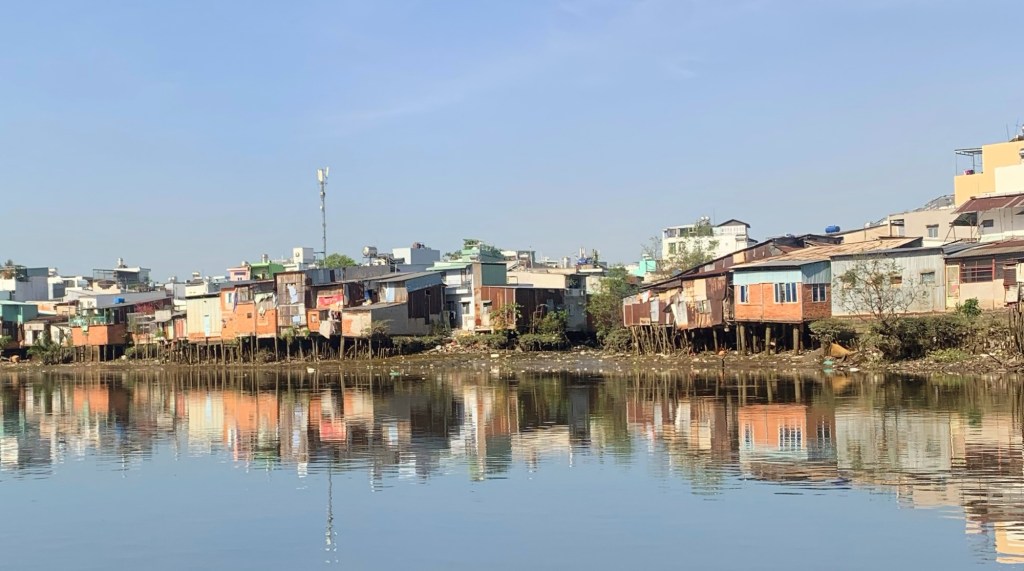
The canal was filled with unpleasant urban flotsam. It periodically tangled the propeller, causing the boat driver to stop and reverse the engine to clear it. Tidal range in the estuary can exceed four meters, and rising sea levels mean that the substandard dwellings along the canal flood more frequently.
Dwellings along the Song Sai Gon Canal
Our guide cheerfully explained that the government offers canal-side owners a relocation allowance based on the size of their house on land (nothing for any part floating or built over water), but it’s insufficient to persuade them to leave. “It’s not like China here. The government won’t make them leave”, she says.
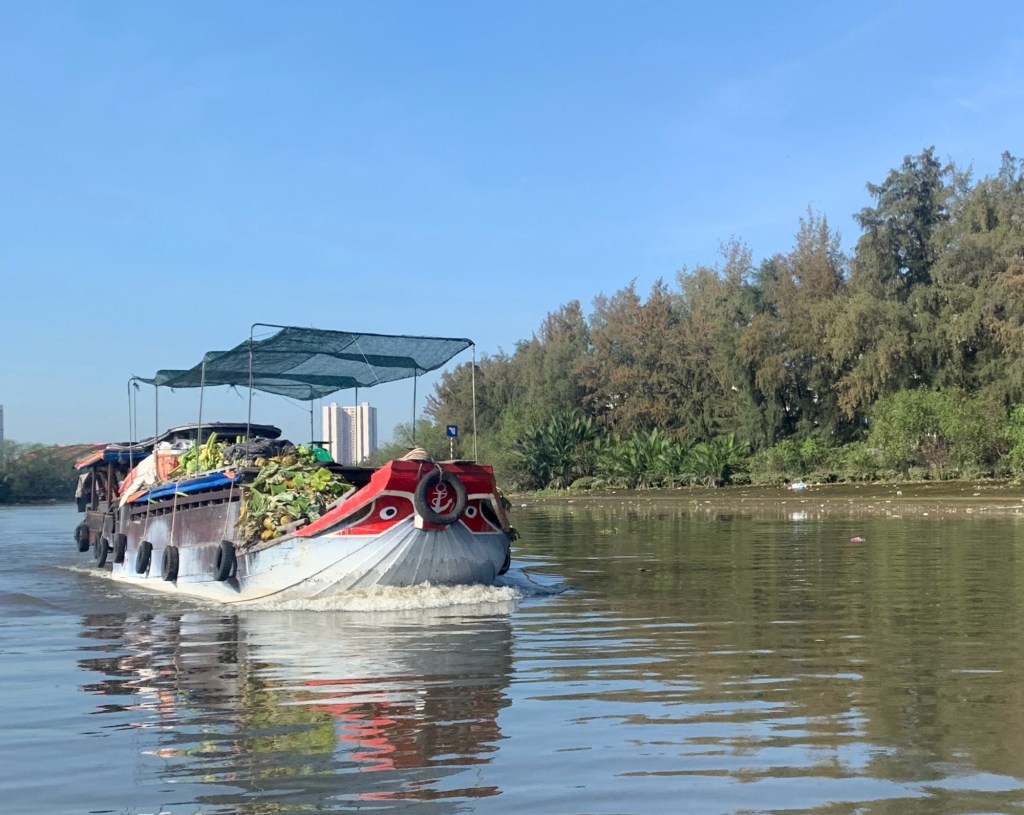
We passed boats heavily laden with produce for the city.
Banana boat
New construction along the canal and throughout the area indicate increasing prosperity in recent years.
Construction along the Song Dong Tranh Canal
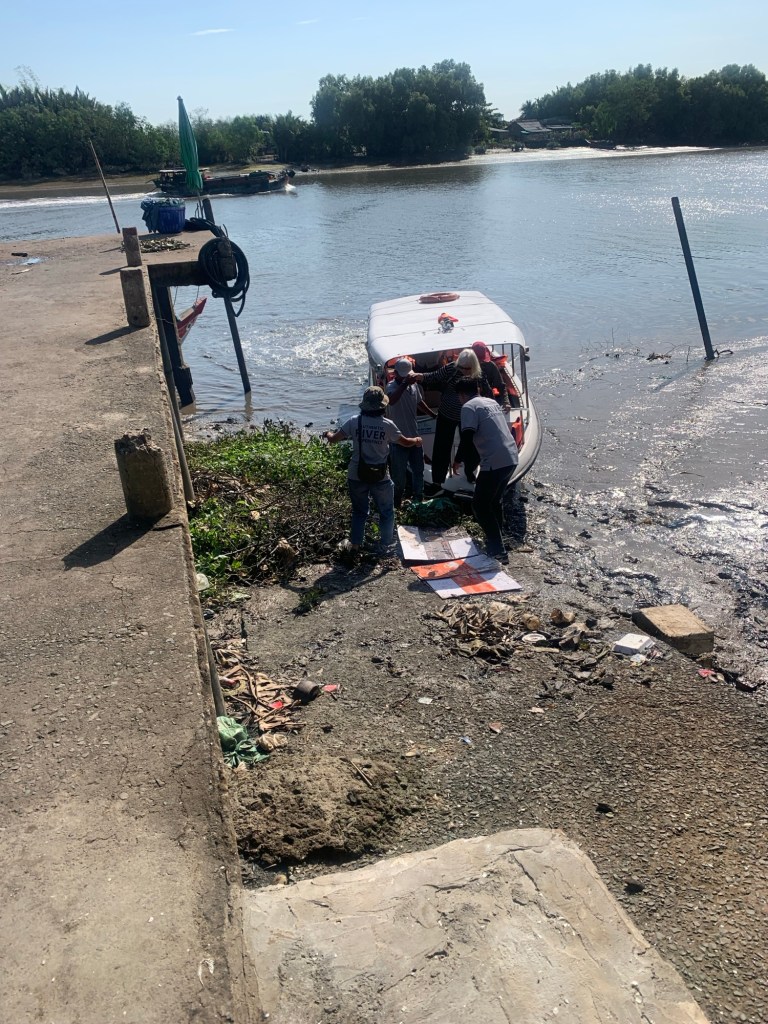
We stopped to visit a local village market. Low tide made docking the boat challenging.
Docking at low tide
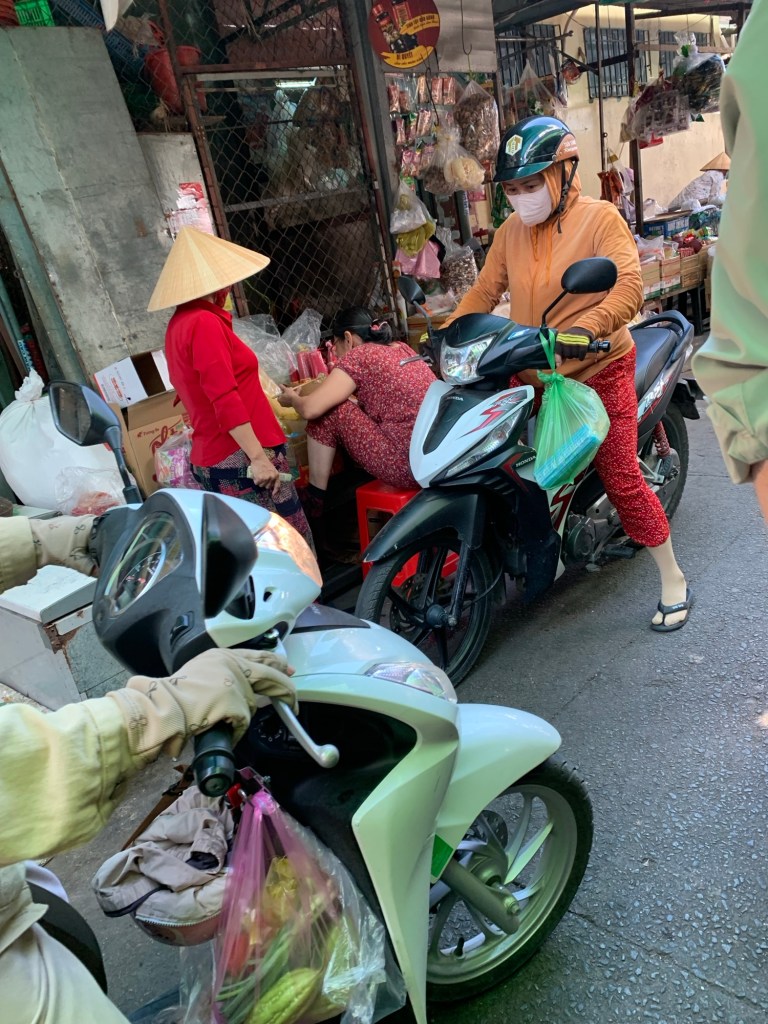
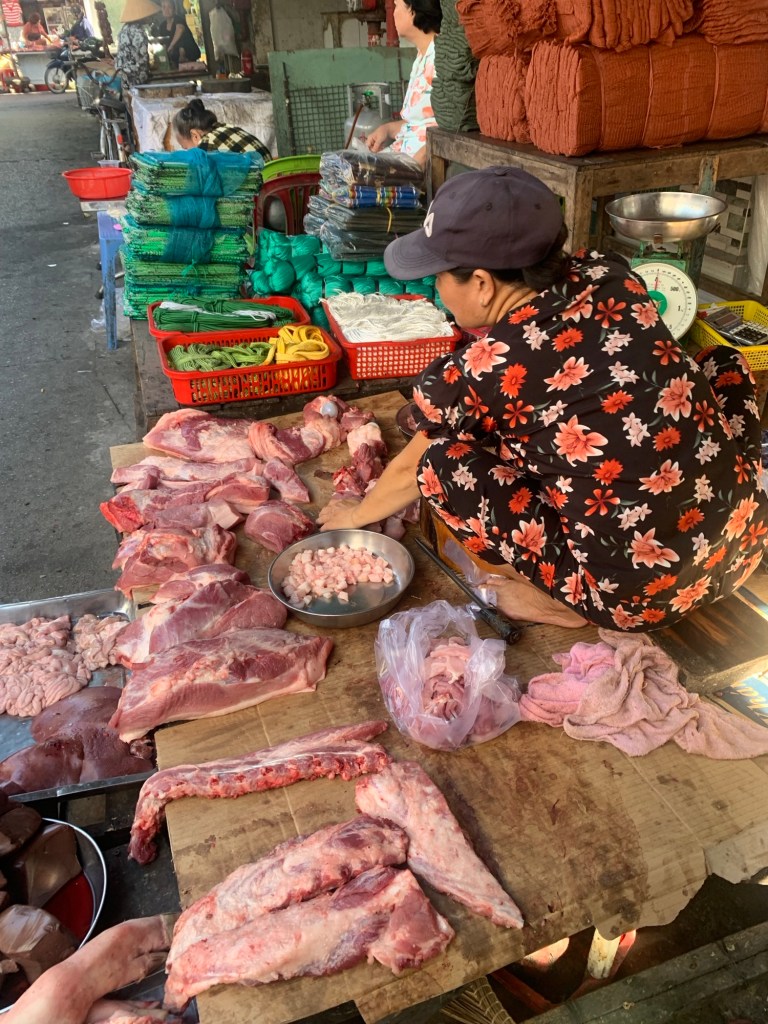
The market was an acre of small stalls and narrow walkways filled with shoppers. Beeping motor scooter riders nosed through the throng.
Village marketFresh meat
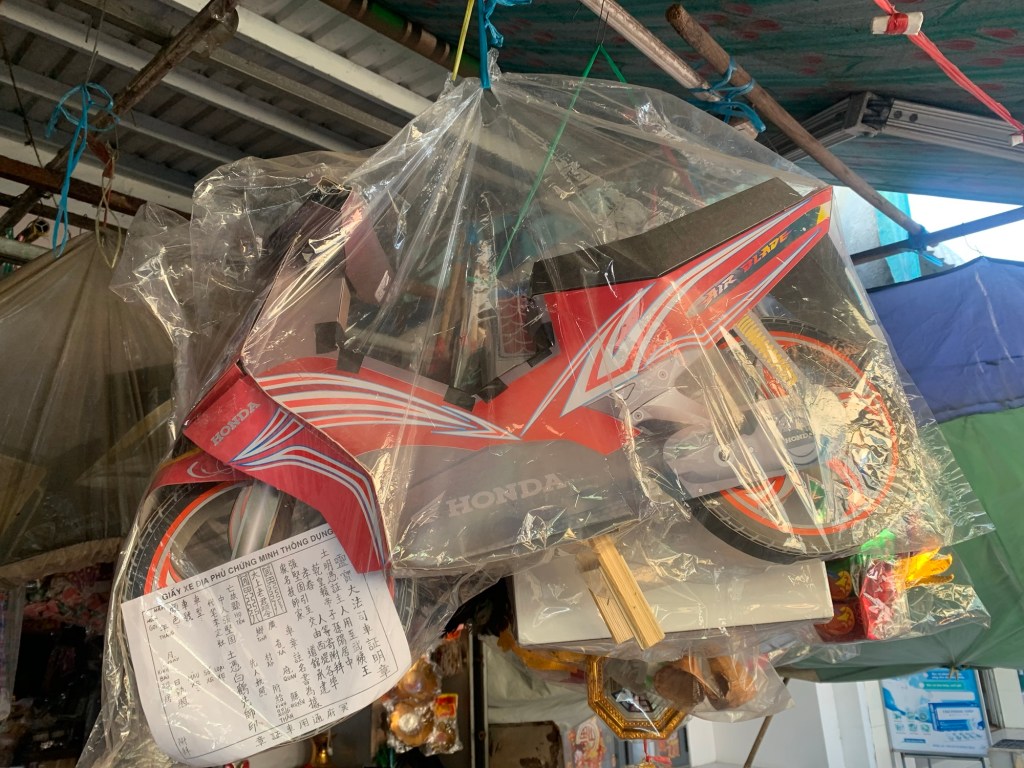
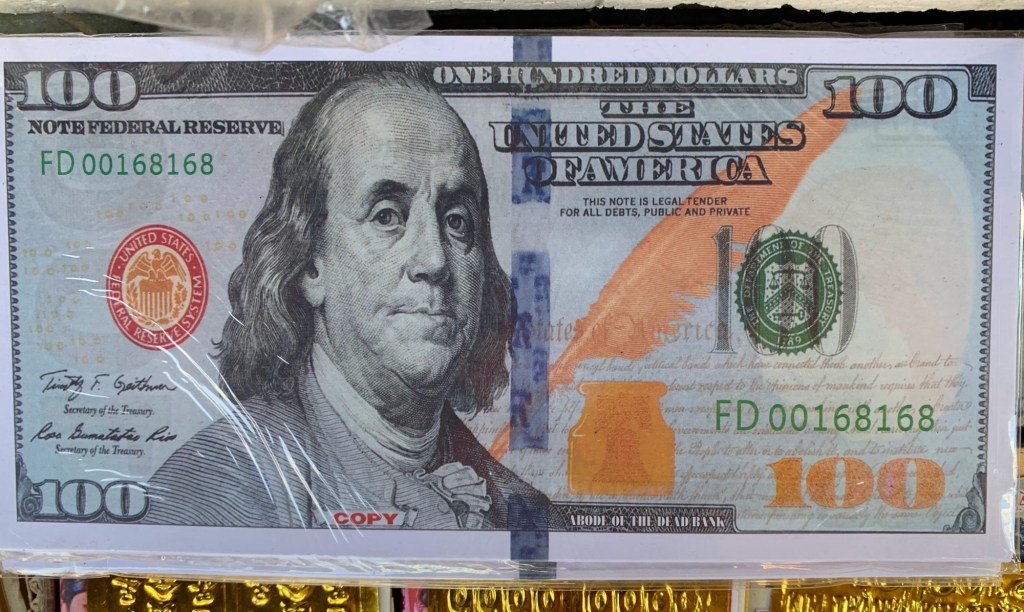
Vendors chatted cheerfully with each other. Abundant meat, fish, and vegetables were on offer to nourish the living. Symbolic paper goods were to be incinerated to supply the departed.
Paper motorcycle for departed loved oneCash for a prosperous afterlife
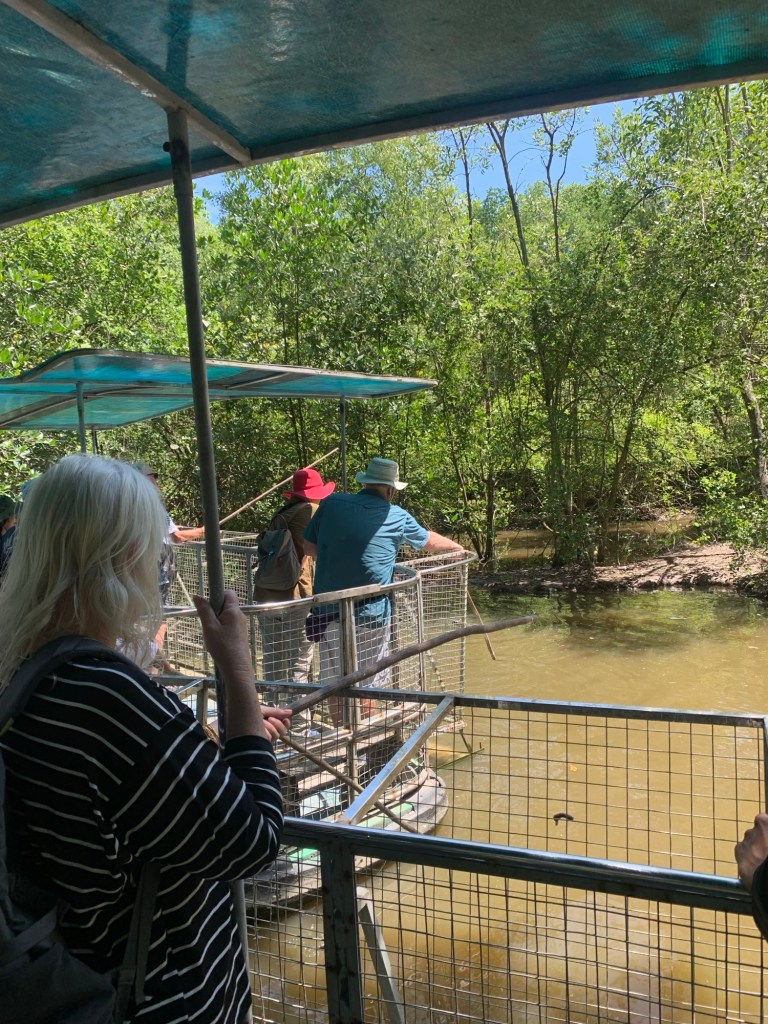
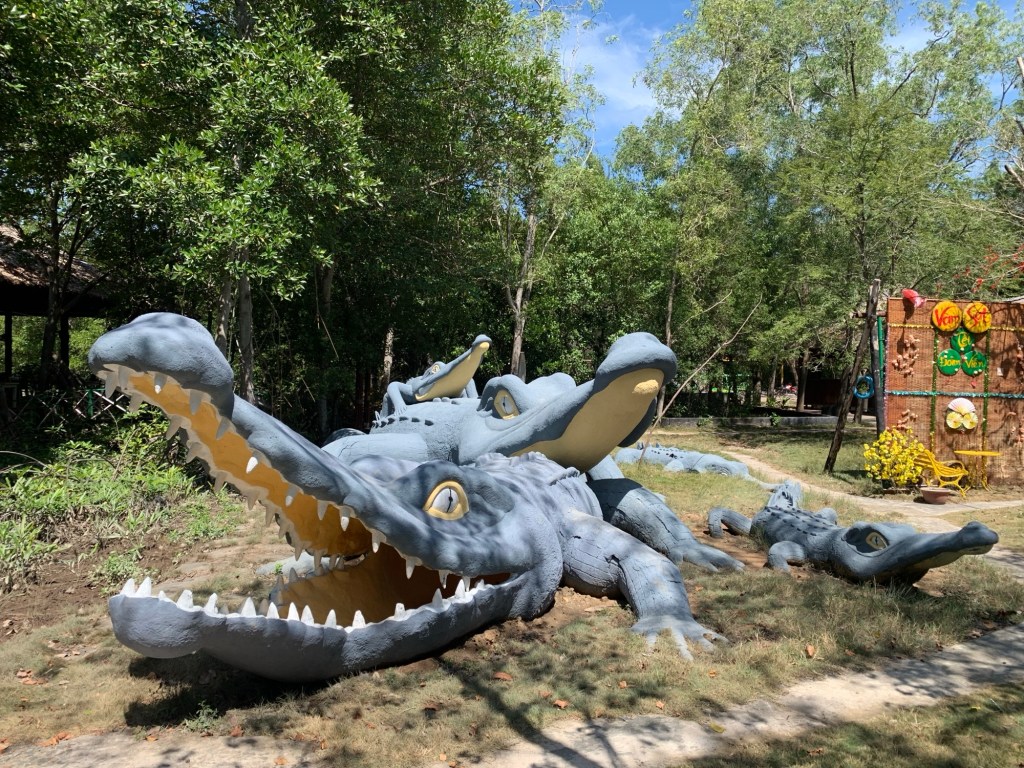
We zoomed further through the maze of delta distributaries, less obviously polluted as we went away from the city, to reach KDL Sinh Thái Vàm Sát Cần GIờ, a restaurant and pavilion in the nature reserve. There we climbed onto tippy pontoon barges to cross a muddy, crocodile-filled pond. Our guide encouraged us to dangle bits of meat above the water for the amusement of the crocodiles.
Feeding crocodilesEnormous croc sculptures at a playground
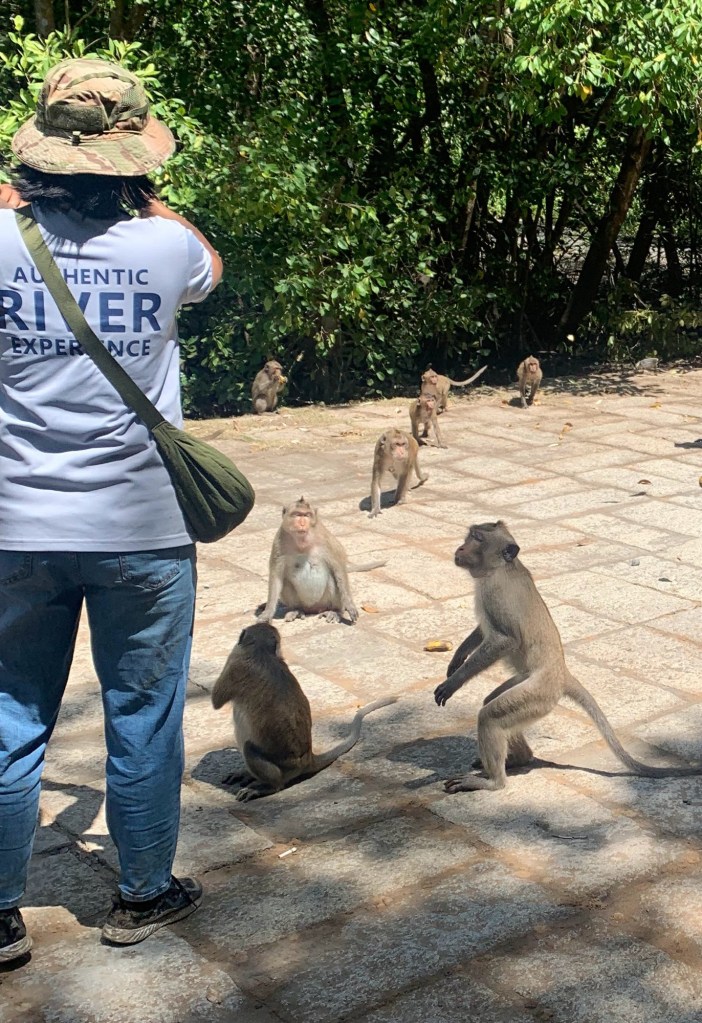
For our amusement, our guide scattered pieces of banana to attract a local troupe of monkeys from the forest.
Local residents
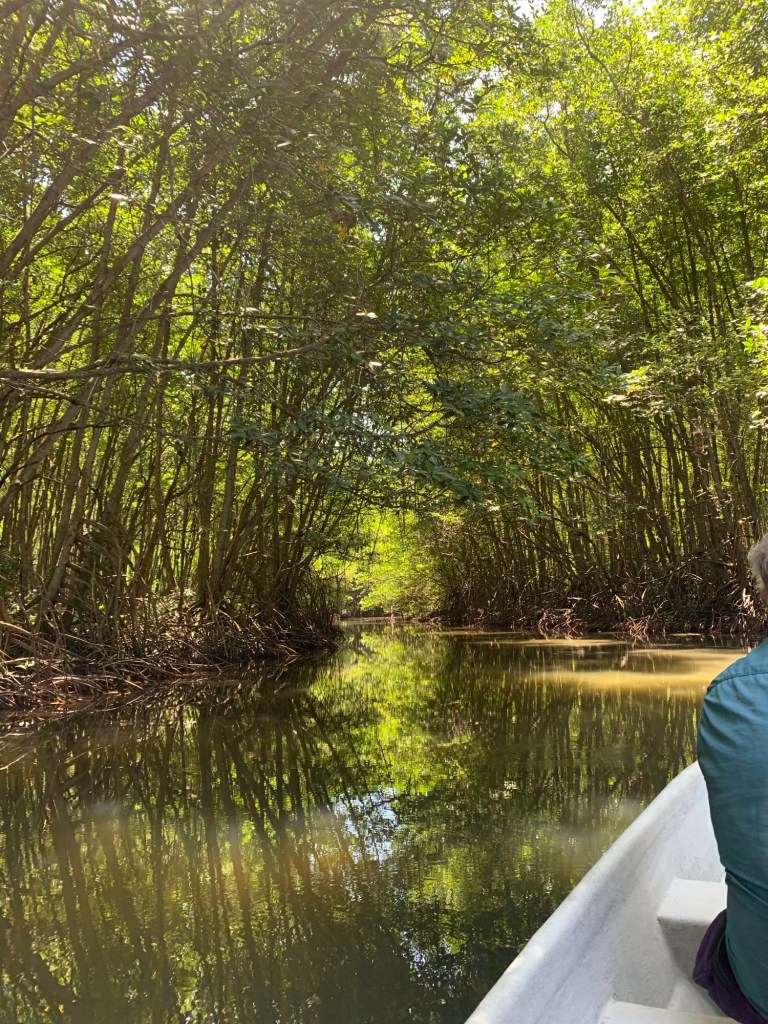
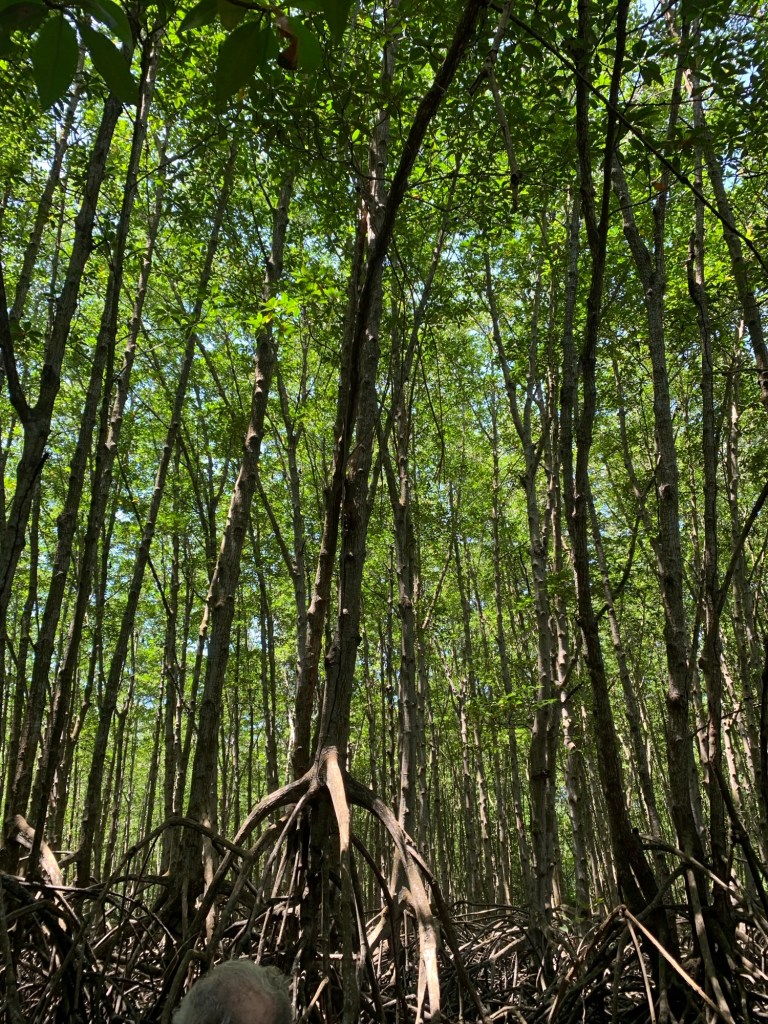
Then, at last, we reached the promised peaceful mangrove forest. A 100 meter irregular stone path led from the commerce-filled estuary to a quiet swamp. No motors allowed here. In small boats we paddled through the groves.
Mangroves
This entire area was devastated fifty years ago by Agent Orange, sprayed liberally over the Mekong Delta. Its restoration is touted as an ecological triumph.
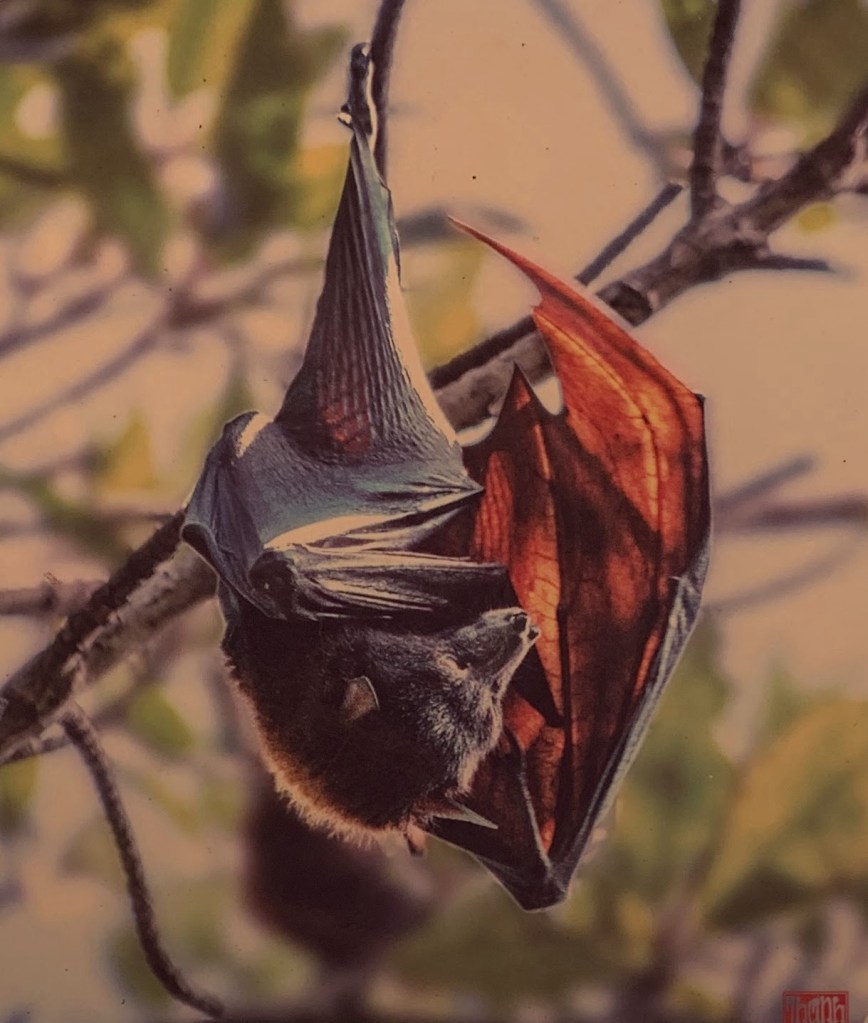
We stopped to admire fruit bats sleeping high on tree trunks.
Fruit batsSome of those spots on the tree trunks are sleeping bats. Really.
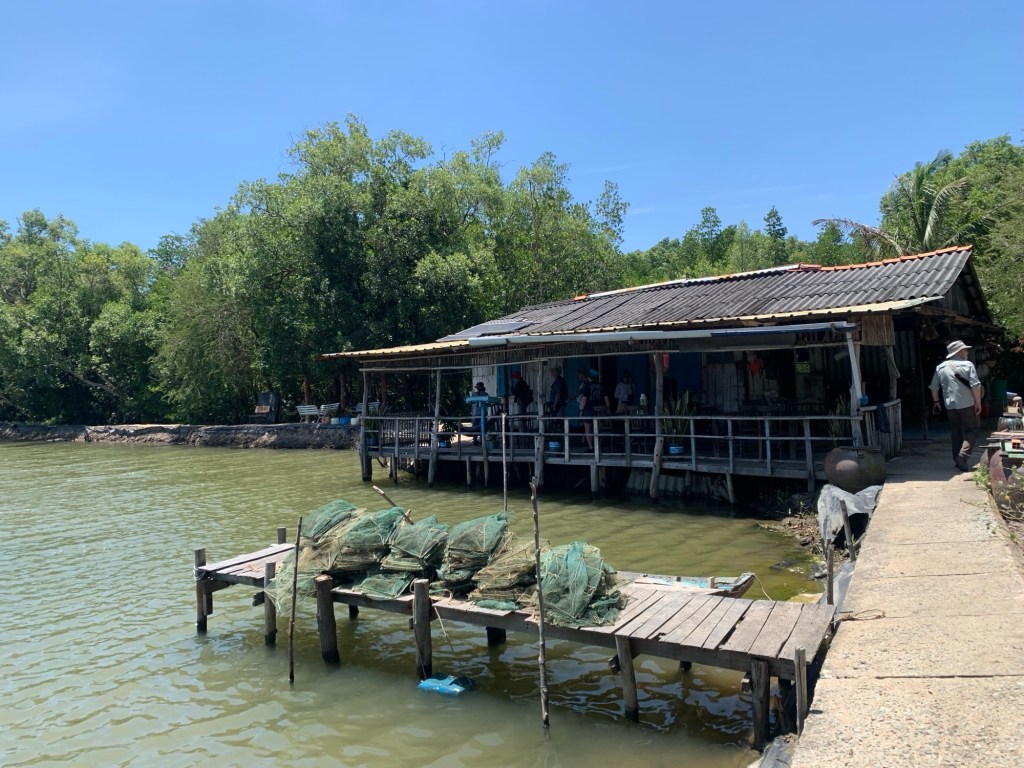
Two caretakers live in the reserve. In exchange for watching the area, they are allowed to net fish for their own subsistence.

























 JohnandJanet'sJourney