

Seeing Japan while being from Central California means I am already familiar with some Japanese cultural signifiers.
I have nodded along at some cultural displays because they are so familiar: sushi, matcha, green tea, Taiko, Karate, Kimonos, Akitas, Aikido, Bento, Bonsai, Bon dancing, Shiatsu, sliding doors, futons, karaoke, origami, ikebana, taking shoes off at the doorway, Pokémon, Zen, Buddhist retreats, chopsticks, Japanese gardens. But another cultural phenomenon is less known to me: Manga.
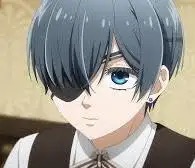
Manga is a bold style of graphic storytelling, like comic book art. Animé is Manga animated. This kind of cartoon character pervades the gamer, gema, and otaku, fan culture. We skipped the Museum of Manga in Sakaiminato because it looked like lots of photo ops with Manga characters and no English text. Manga accounts for 25% of all printed books in Japan. It is the top cultural export. I read that internet piracy threatens the livelihood of Manga artists because pirated translations, scanlations, are posted within hours of a new Manga release.
Manga’s origins are distinctly Japanese. During the Chinese Revolution against the Qing, 1910-1911, bold graphically illustrated pages were used as propaganda to convince illiterate Chinese to join Dr. Sun Yat Sen. Japanese adapted the propaganda to control its non-Japanese speaking occupied territories, like Taiwan and Korea, 1910-1945. And in Post-War Japan, Manga artists emulated the comic books brought by GI’s. That’s when the big-eyed androgynous look of Manga characters emerged. The dramas are no-holds-barred twisty plots of unintentional heroes, evildoers in disguise, supernatural forces, super powers, switched at birth twins, amnesia, dysfunctional families, a stranger walks into town, and more. Some of you know all about Manga and can better explain its appeal.
 JohnandJanet'sJourney
I hadn’t placed manga in a history of Japanese international propaganda. That’s interesting!
LikeLike