

Roll On, Columbia! The Gorge Is a transport thoroughfare for cargo barges, semi trucks, and freight trains, not just a fun vacation spot. The river separates Oregon from Washington. The tax rules vary greatly by state, so I’ll summarize them here. In Oregon, there is no state sales tax, but there is a steeply-tiered personal income tax. In Washington, there is no state personal income tax, but sales tax starts at 6.5% plus whatever the county adds on. Capital gains tax in Oregon is 9.9%, in Washington 7%. Savvy individuals keep an address on each side of the Gorge to maximize tax savings. Somewhat savvy individuals live on the Washington side but shop in Oregon. So the Gorge also creates its own microeconomic climate.
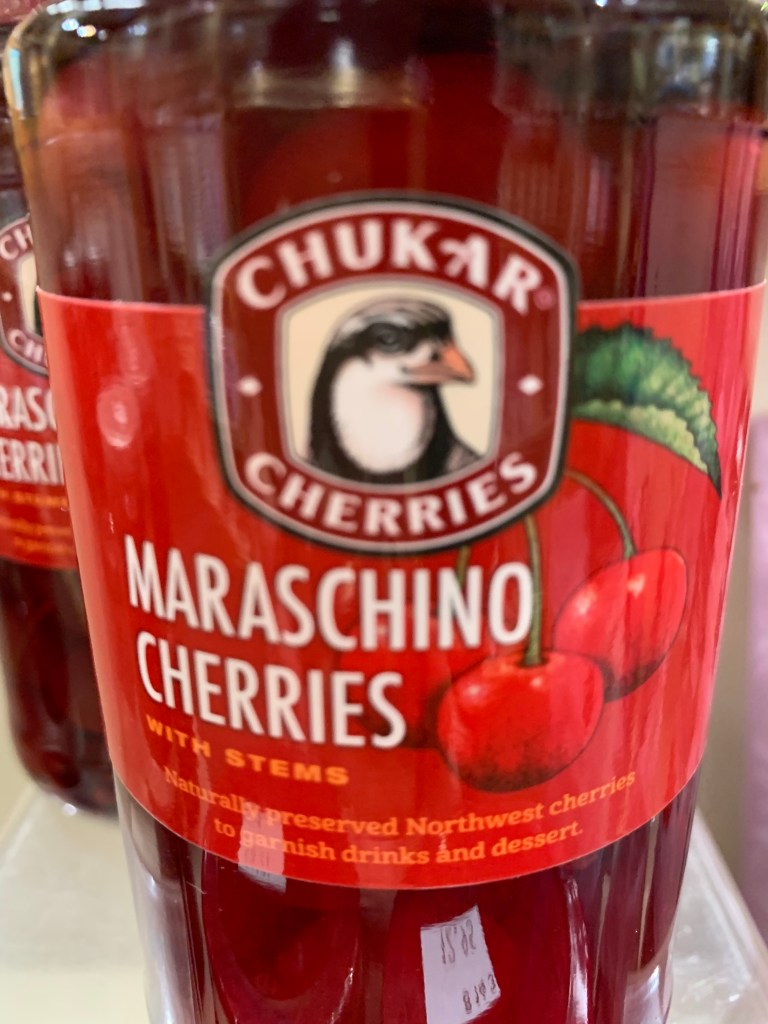
Now for a story of economic ingenuity, chemical tinkering, and good timing. Fresh cherries have a delightful but sadly brief window of consumption between harvest and spoilage. Farmers in the Old World had been soaking cherries in spirits to preserve them and fancy them up. In the late 1800’s, hoteliers imported the first Maraschino cherries to garnish society cocktails. During this time, cherry trees were planted and thriving in Wasco County. Two Oregon food processing scientists, Miller and Weygand, patented a method to preserve cherries without alcohol. The cherries were bleached in peroxide and lime, sugared, and dyed before heat-processing. Then they successfully lobbied Washington for tariffs on imported cherries. Finally their genius crested in marketing a product that both cost less than its alcoholic antecedent and also became the signature garnish denoting upscale flair, the “cherry on top.” Weygand denied that Prohibition had anything to do with the widespread success enjoyed by the maraschino cherry, but sometimes world-historical forces disguise themselves as sheer dumb luck.
 JohnandJanet'sJourney